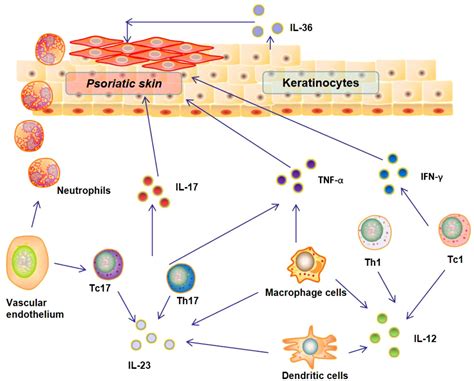
Psoriasis, a chronic autoimmune skin disorder, is increasingly recognized for its intricate relationship with digestive health. While primarily manifesting as skin plaques, this condition shares common pathways with several gastrointestinal disorders, many of which are also autoimmune in nature. Research into this complex connection is ongoing, revealing significant links between psoriasis and various digestive issues.
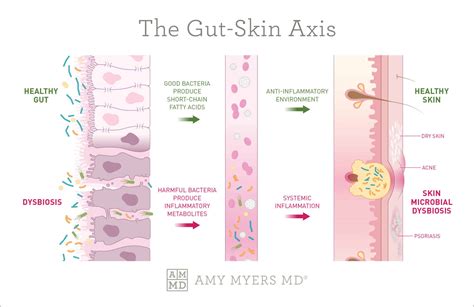
Psoriasis and Inflammatory Bowel Disease (IBD)
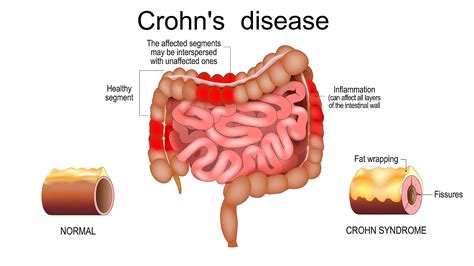
A substantial link exists between psoriasis and inflammatory bowel disease (IBD), which encompasses conditions such as Crohn's disease and ulcerative colitis (UC). Crohn's disease can affect any part of the gastrointestinal tract, while UC typically impacts the colon and rectum. Scientific investigations into the genetic patterns of individuals with serious autoimmune diseases have identified shared problem genes that can be responsible for psoriasis, Crohn's, and UC. These conditions also trigger inflammation through similar mechanisms.
The skin and intestines are composed of tissues that readily absorb substances. It is therefore unsurprising that both are sensitive and react to inflammatory signals circulating throughout the body. Studies indicate a notable prevalence of IBD among individuals with psoriasis. One study found that approximately 1 in 10 women with psoriasis develop IBD. The likelihood of developing IBD is even higher for those with psoriatic arthritis, another condition associated with psoriasis. Specifically, people with psoriasis are estimated to be 2.5 times more likely to develop Crohn's disease and 1.6 times more likely to develop UC. Some individuals may experience digestive disorders before the onset of psoriasis.
The Role of Obesity
Both IBD and psoriasis share a connection with obesity. Adipose tissue, or body fat, appears to produce chemicals that alter bodily functions, including the immune system. Carrying excess weight increases the risk of developing psoriasis, Crohn's disease, and UC. Furthermore, obesity can accelerate disease progression and diminish the effectiveness of treatments.
Celiac Disease and Gluten Sensitivity
Celiac disease is an autoimmune disorder where the body cannot digest gluten, a protein found in wheat, rye, and barley. Celiac disease can damage the small intestine, impairing its ability to absorb essential nutrients. The incidence of celiac disease is nearly three times higher among individuals with psoriasis, affecting about 4 out of every 100 people. Research suggests a correlation between higher levels of specific antibodies associated with celiac disease and the severity of psoriasis.
Symptoms to watch for that may indicate digestive issues include diarrhea, abdominal cramps, and blood in the stool for IBD. For celiac disease or gluten sensitivity in adults, symptoms can include diarrhea, foul-smelling stools, fatigue, weakness, dizziness, shortness of breath, cold extremities, and joint pain. It is possible to mistake celiac disease for psoriatic arthritis, as both can cause joint pain and fatigue.
A doctor can order blood tests to measure antibody levels and determine if gluten affects you. Consulting with a gastroenterologist, in addition to a dermatologist, can be highly beneficial for managing these interconnected conditions. Treatment decisions should be individualized, considering symptom severity and potential medication side effects. In some cases, the same medication may be effective for both psoriasis and IBD, though certain biologic medications may increase the risk of IBD flares.
Following a gluten-free diet has been reported to help some individuals clear psoriasis lesions and manage celiac disease. This dietary change has also benefited those who test positive for gluten sensitivity, even in the absence of overt celiac symptoms. Adopting healthy habits, such as a nutritious diet and regular exercise, can improve overall well-being, reduce the likelihood of flares, and enhance treatment outcomes. It is also crucial to adhere to prescribed medications, avoid smoking, and limit alcohol consumption.
Dietary Factors and Inflammation
For many living with psoriasis, diet may play a more significant role in managing inflammation than previously thought. Psoriasis is characterized by the body mistakenly attacking its own tissues, leading to an overproduction of skin cells that form plaques. While diet does not cause psoriasis, it can influence the inflammatory processes within the body.
Certain foods are known to promote inflammation. Fatty foods, for instance, can increase inflammation in adipose tissue, which is distributed throughout the body. Chronic inflammation in adipose tissue, common in individuals who are overweight or obese, significantly elevates the risk of psoriasis. Many high-calorie foods contributing to weight gain and increasing the risk of obesity, diabetes, and heart disease are also inflammatory.
Excessive alcohol consumption can lead to chronic inflammation as the liver works overtime to metabolize alcohol. Many dairy products, often high in fat, can also contribute to inflammation. Additionally, cow's milk contains casein, a protein that some individuals find difficult to digest, potentially exacerbating gastrointestinal irritation and inflammation.
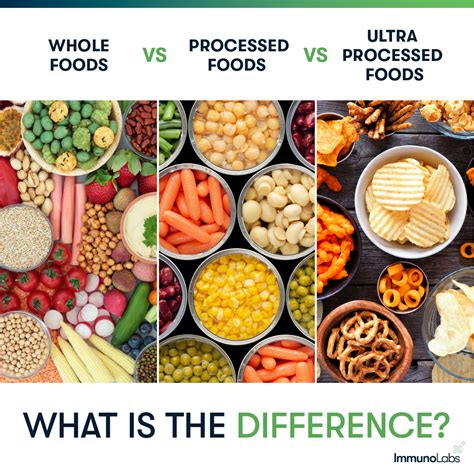
Refined carbohydrates, such as white bread, white rice, pasta, pastries, and some breakfast cereals, are highly processed and stripped of fiber and whole grains. They tend to be high in sugar, which can cause blood sugar spikes. Fats found in red meat, cheese, fried foods, margarine, fast food, and many processed snacks are known triggers of inflammation. Added sugars in sodas, fruit juices, candy, and baked goods can also lead to increased levels of inflammatory proteins called cytokines.
Research indicates that individuals with psoriasis may have higher rates of celiac disease. In celiac disease, gluten triggers an autoimmune response targeting the small intestine. While certain foods can cause inflammation, individual responses vary. Some individuals report that wheat exacerbates their psoriasis symptoms. Biomarkers, such as C-reactive protein (CRP), can be measured in the blood to detect inflammation. The liver produces extra CRP when there is inflammation in the body.
Conversely, some foods can help combat inflammation. A balanced, whole-foods diet is generally recommended to reduce systemic inflammation, potentially decreasing psoriasis flare-ups and symptom severity. While there is no definitive evidence that vitamins or supplements directly ease psoriasis symptoms, obtaining nutrients from food is paramount. A daily multivitamin is generally considered safe.
When making dietary changes to manage psoriasis, it is advisable to start gradually to ensure sustainability and adequate nutrient intake. Substituting pastries and cookies with fresh fruit and opting for herbal teas or infused water are beneficial changes. For those who are overweight or obese, a weight loss plan incorporating fewer calories and smaller portion sizes may be helpful. Any psoriasis treatment diet should be complemented by healthy lifestyle choices, including adequate sleep, regular exercise, and stress reduction.
Leaky Gut Syndrome and Psoriasis
Leaky gut syndrome, also known as intestinal permeability, is a condition where the intestinal lining becomes damaged, allowing waste products, bacteria, and undigested food to leak into the bloodstream. While not recognized by all traditional medical practitioners, alternative and integrative health professionals often diagnose it. Conditions such as inflammatory bowel disease, celiac disease, type 1 diabetes, HIV, and sepsis are thought to contribute to leaky gut. Lifestyle factors like poor diet, chronic stress, toxin overload, and bacterial imbalance are also implicated.
Proponents of the leaky gut theory believe that this intestinal breach triggers an autoimmune response, leading to a range of systemic health problems, including gastrointestinal issues, chronic fatigue, skin conditions like psoriasis and eczema, food allergies, arthritis, and migraines. However, there is limited scientific evidence directly linking leaky gut syndrome to specific health conditions, including psoriasis.
The hypothesis suggests that when proteins leak from the gut, the body perceives them as foreign, initiating an autoimmune and inflammatory response that can manifest as psoriasis. Given that psoriasis is an autoimmune disease involving an inflammatory skin response, a connection is considered plausible.
Does Leaky Gut Syndrome Affect Psoriasis And Autoimmune Conditions? - Psoriasis Relief Guide
A gastroenterologist can perform an intestinal permeability assessment to diagnose leaky gut syndrome. This test typically involves consuming specific sugar molecules and measuring their excretion in urine. Other diagnostic tools may include blood tests for zonulin levels, stool tests, food allergy tests, and vitamin and mineral deficiency assessments.
According to the Natural Medicine Journal, addressing the underlying cause of leaky gut is the primary step in treatment. Dietary modifications aimed at reducing gut inflammation, particularly in cases of Crohn's disease or ulcerative colitis, may improve intestinal barrier function. Research suggests that antioxidant supplements (e.g., quercetin, Ginkgo biloba, vitamins C and E), zinc supplementation, nutrients supporting intestinal mucosa (e.g., L-glutamine, phosphatidylcholine, gamma-linolenic acid), plant enzymes, probiotics, and dietary fiber may aid in healing the gut.
Certain foods are believed to support gut healing, including bone broth, raw dairy products, fermented vegetables, coconut products, and sprouted seeds. Despite the current lack of extensive scientific evidence, many believe leaky gut syndrome is a real condition contributing to systemic health issues. If you have psoriasis and suspect leaky gut may be a factor, discuss potential diagnostic and treatment options with your doctor.
Subclinical Inflammation and Gut Barrier Function in Psoriasis
Psoriasis, a hereditary and chronic inflammatory condition primarily affecting the skin, is frequently associated with joint inflammation and an elevated risk of chronic inflammatory bowel diseases (IBD) like Crohn's disease. Emerging research highlights a significant connection between psoriasis and intestinal inflammation, offering insights into why individuals with this skin condition often experience gastrointestinal problems and a higher risk for Crohn's disease.
Studies have revealed that psoriasis patients exhibit higher counts of pro-inflammatory immune cells within the mucous lining of their small intestines. Furthermore, approximately half of psoriasis patients demonstrate increased intestinal barrier permeability, commonly referred to as 'leaky gut.' This compromised barrier allows bacteria and other harmful substances to enter the bloodstream. Patients experiencing leaky gut also report a greater frequency of gastrointestinal symptoms, such as abdominal pain and bloating.
These findings are particularly significant because the psoriasis patients in the study had relatively mild skin symptoms and showed no visible signs of intestinal inflammation during gastroscopy. This underscores the critical importance of recognizing the gut-skin connection in the comprehensive management of psoriasis.