Bathing is an essential part of skin care, particularly for individuals managing atopic dermatitis, the most common form of eczema. The choice of body wash can significantly impact skin health; the wrong product may lead to dryness or exacerbate symptoms. For those with eczema struggling to find a gentle wash that doesn't trigger flare-ups, several factors are crucial to consider. It may require trying multiple products to find one that suits your unique needs.
Understanding How Body Wash Affects Eczema-Prone Skin
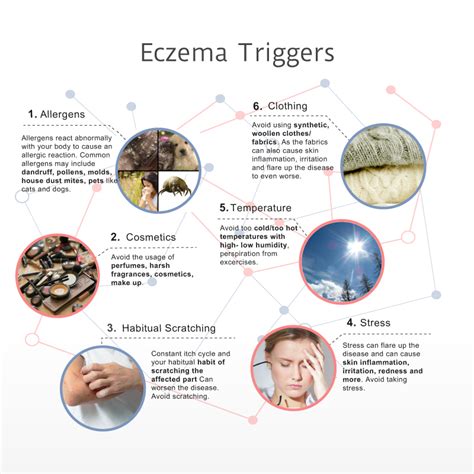
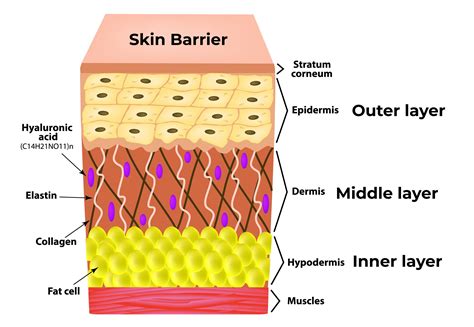
Certain ingredients found in skincare products can worsen eczema or trigger flare-ups. The challenge lies in the fact that no single ingredient affects everyone uniformly, and there isn't a universal dermatologist-recommended body wash for all individuals with eczema. Skincare products can provoke eczema flares because individuals with eczema possess a different skin barrier function compared to those without the condition. Their skin loses moisture easily, leading to dryness. Additionally, eczema-prone skin is less effective at preventing the entry of irritant ingredients.
Members of online communities like MyEczemaTeam have shared experiences of flare-ups after using specific products. For instance, one member noted, "I have been using scented shampoo, and I think that is the problem."
The Impact of Fragrances
Fragrances can pose a problem for individuals with and without eczema. These often comprise numerous chemical compounds not found naturally. Such compounds or ingredients can lead to irritant or allergic contact eczema. Since most manufacturers do not disclose the exact ingredients within their fragrances, pinpointing the specific cause of symptoms can be difficult. It is often advisable to avoid fragrances altogether. It's worth noting that even products labeled "unscented" or "fragrance-free" may contain ingredients that can still trigger skin issues.
Other Triggering Ingredients to Be Aware Of
Numerous other ingredients can provoke eczema flare-ups. Organizations like the National Eczema Association (NEA) maintain lists of such ingredients, many of which are likely to cause skin allergies or irritation. These lists serve as valuable resources when purchasing skincare products, including body washes. Ingredients to monitor closely include certain alcohols, sulfates, and others. The NEA has conducted extensive research and product testing to compile these recommendations.
It is important to remember that virtually anything can trigger an eczema flare-up. If you are avoiding known triggers and still experiencing flares, consulting with a healthcare provider might be necessary to identify other potential causes. Always opt for products that are fragrance-free, free from irritants and allergens, and that provide essential moisture for your skin.
What Body Soap is Best for Eczema?
There is no single body wash or soap that universally works for everyone with eczema. Even natural body washes formulated for eczema may not benefit every individual. The National Eczema Association offers a database of endorsed soaps and body washes through its Seal of Acceptance, which can be a helpful resource for finding suitable skincare products.
Any chosen product should ideally contain an emollient, a highly effective moisturizer that helps to restore the skin's barrier, which is compromised in eczema and leads to dryness. Emollients can be found in various forms, including lotions, sprays, gels, creams, and ointments. Ensure these products are free from the aforementioned triggering ingredients.
Recommended Brands and Ingredients
Several brands are frequently recommended for body cleansers that aid in managing eczema. Among the popular options are:
CeraVe Eczema Body Wash
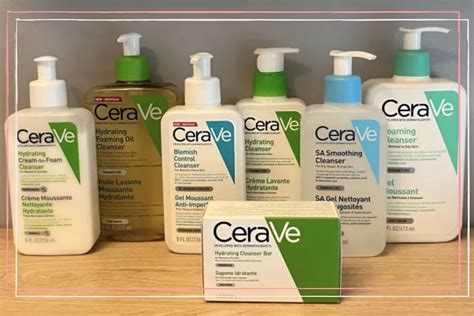
CeraVe offers several body wash options recognized by the National Eczema Association, some suitable for children. Members of MyEczemaTeam often favor these products. CeraVe body washes may be beneficial due to their inclusion of ceramides, which help fortify the skin barrier by retaining moisture and preventing the entry of harmful substances.
Cetaphil Eczema Body Wash
Cetaphil is another brand highly endorsed by the National Eczema Association. Cetaphil products contain glycerin, which assists the skin in attracting and retaining moisture in its outer layers. Their Cetaphil Baby Soothing Wash is also recommended for children. While sometimes compared to CeraVe, they possess distinct differences. Cetaphil is a popular choice among MyEczemaTeam members, with many sharing positive experiences using their gentle body washes.
Aveeno Eczema Body Wash
Aveeno's Baby Cleansing Therapy Moisturizing Wash is NEA-recommended and well-liked by MyEczemaTeam members. Users report success using Aveeno products, often in conjunction with their lotions and shampoos for eczema, noting significant improvements in their skin condition. Aveeno products often contain ceramides, glycerin, and oat-derived ingredients that may help relieve itching.
Other Popular Brands to Consider
Beyond NEA-endorsed products, several other reputable skincare brands offer eczema-friendly options that might be worth exploring, especially if you have a preference for a particular brand or if recommended by your healthcare provider. Examples include Dove's Soothing Relief Body Wash and Eucerin's Eczema Relief Cream Body Wash. European brands like Avène and La Roche-Posay also offer products suitable for eczema-prone skin.
Experiences with these brands can vary among MyEczemaTeam members. While some found Dove's body wash for sensitive skin effective, others reported negative reactions to Eucerin's body wash, experiencing burning sensations.
MyEczemaTeam Members' Advice on Choosing the Right Body Wash
In addition to brand and ingredient considerations, MyEczemaTeam members offer practical tips for selecting the most suitable body wash for eczema:
Test Different Products
A common piece of advice is to "If one product doesn’t work, or makes you itch more, try another." This iterative approach allows individuals to discover what works best for their skin over time.
Start Small with a Patch Test
Before applying a new product to a large area, it is highly recommended to perform a patch test. Applying a small amount to a discreet area, such as the crook of the elbow, can help identify potential irritants or allergens without causing widespread discomfort. If no adverse reaction occurs after 48 hours, the product is likely safe for broader use.
Consult a Dermatologist
For personalized guidance, consulting a dermatologist is invaluable. They can assist in identifying products with appropriate ingredients tailored to individual needs. If a dermatologist is unavailable, a primary healthcare provider can offer a referral.
Key Ingredients to Look For and Avoid
When selecting body wash for eczema, understanding beneficial and potentially harmful ingredients is crucial.
Beneficial Ingredients for Eczema-Prone Skin
- Shea Butter: Known for its moisturizing properties, shea butter helps seal in moisture and offers a barrier against germs. Its linoleic acid content, often lacking in eczema-prone skin, contributes to its effectiveness.
- Glycerin: As a humectant, glycerin draws moisture from the air into the skin, effectively relieving dryness without causing stinging or burning.
- Hyaluronic Acid: This naturally occurring substance in the body, similar to glycerin, attracts and retains moisture, helping to alleviate symptoms of mild to moderate eczema.
- Niacinamide: A form of vitamin B, niacinamide can strengthen and smooth the skin, reduce inflammation, redness, and improve hydration.
- Petrolatum (Petroleum Jelly): An effective occlusive agent, petrolatum helps the skin retain water and repair its barrier. It can also assist in creating antibacterial compounds. Opt for 100% white petrolatum and consider using it at bedtime due to its greasy texture.
- Aloe Vera: Renowned for its soothing and healing properties, aloe vera gel has anti-inflammatory, antibacterial, and wound-healing benefits that can aid in managing eczema symptoms.
Ingredients to Avoid
- Lanolin: While a natural moisturizer derived from sheep's wool, a small percentage of individuals with eczema are allergic to lanolin, making it best to avoid if you have sensitive skin or haven't used it before.
- Urea: Although recommended for other skin conditions, urea can irritate eczema-prone skin and further compromise the skin barrier.
- Retinoids (e.g., Retinol): These vitamin A derivatives, common in anti-aging products, can irritate eczema skin and trigger flares.
- Fragrances: As previously mentioned, added scents are common allergens and can trigger eczema flare-ups.
Navigating Product Labels and Endorsements
When choosing a body wash, pay close attention to product labels and descriptions. Key elements to look for include:
- Allergens: Ensure you are not allergic to any listed ingredients. Systematic testing may be required to identify specific triggers.
- pH Balance: While many soaps claim to be pH-balanced (around 5.5), it's generally advisable to avoid alkaline soaps, which can impair the skin barrier by increasing its pH.
- Mild Cleansers: Opt for products designed for sensitive skin, featuring gentle cleansers that preserve the skin's natural moisturizing factors. Avoid harsh detergents like sodium lauryl sulfate, which can strip natural oils.
- Deodorants: Avoid deodorant soaps, as they often contain irritating scents.
- Fragrance-Free: Look for products explicitly labeled "fragrance-free" or "scent-free."
- Dye-Free: Choose soaps without added dyes, which can also act as allergens.
- Third-Party Endorsements: Seek products with seals of acceptance from organizations like the NEA, which have evaluated their suitability for eczema and sensitive skin.
- Industrial Cleansers: Steer clear of industrial cleansers containing strong or abrasive ingredients like petroleum distillates or pumice.
The National Eczema Association (NEA) offers a list of ingredients to avoid in soaps. Some ingredients that can be detrimental to eczema-prone skin include formaldehyde, propylene glycol, salicylic acid, and fragrance.
The Patch Test: A Crucial Step
After selecting a product, performing a patch test is a prudent measure. Apply a small amount of the soap to a clean, dry area of your wrist or the crook of your elbow, cover it with a bandage, and leave it unwashed for 48 hours. Monitor for any signs of allergic reaction, such as redness, itchiness, flaking, rash, or pain. If a reaction occurs, remove the bandage and wash the area immediately. If no reaction manifests after 48 hours, the product is likely safe to use.
When to Seek Professional Help
If itching is unbearable, over-the-counter (OTC) treatments like steroid creams (containing at least 1% hydrocortisone), drying lotions (e.g., calamine lotion), or wet compresses can provide relief. OTC antihistamines may also help manage itchiness. In cases of severe allergic reactions causing difficulty breathing, seek emergency medical services immediately. If eczema spreads significantly or shows signs of infection, consult a doctor.
Finding the ideal soap or cleanser for eczema is a personalized journey, focusing on what works best for your specific eczema. Consulting with a dermatologist or pharmacist can provide valuable recommendations tailored to your skin type and condition.
How To Patch Test a Product ✨
Homemade Eczema Soap: A Natural Approach
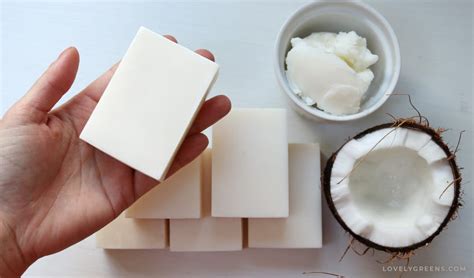
For some, particularly those who have found commercial soaps to aggravate their eczema, making homemade soap can be a viable solution. One such approach involves using ingredients like coconut oil, which is known for its beneficial properties for eczema. The process typically involves carefully combining lye with water, heating oils, and blending them to achieve a specific consistency. pH testing is crucial to ensure the soap is safe for use. Essential oils or fragrances can be added once the mixture has cooled to preserve their scent. The resulting soap bars are then cured in a well-ventilated area to harden.