Understanding Tazarotene
Tazarotene, also recognized by its brand name Arazlo, is a topical retinoid frequently prescribed by dermatologists. Its applications include treating acne, reducing the appearance of fine lines and wrinkles, and enhancing overall skin texture. Arazlo represents a newer formulation of tazarotene designed to maintain efficacy while minimizing skin irritation. While Arazlo is highly effective, proper usage is crucial for achieving optimal results and reducing potential side effects.
Experts are not entirely certain about the precise mechanisms by which tazarotene functions for both acne and psoriasis. However, it is suggested that its efficacy is related to its affinity for specific retinoic acid receptor (RAR) proteins, namely RARβ and RARγ, and its ability to modify gene expression. Tazarotene appears to regulate follicular keratinization, cell proliferation, and inflammation. This process leads to the inhibition of corneocyte accumulation and cohesion, resulting in a decrease in both inflammatory and non-inflammatory acne lesions. In the context of psoriasis, tazarotene may influence the expression of genes that control epidermal cell differentiation, proliferation, and inflammation. For both acne and psoriasis, tazarotene works by slowing the overgrowth of skin cells and reducing inflammation.
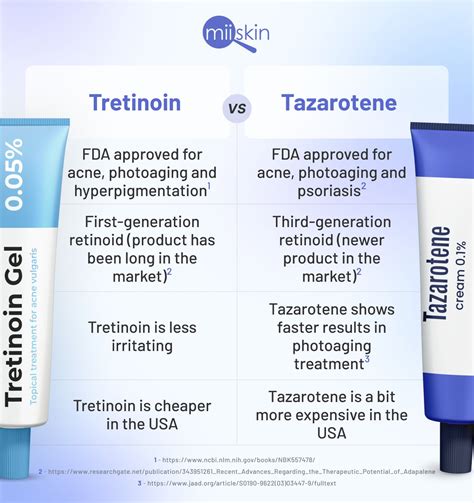
When used to address photoaging, tazarotene promotes collagen production, increases the incidence of epidermal edema, and improves skin discoloration. Tazarotene belongs to the class of medications known as retinoids, and can also be described as a vitamin A derivative.
Therapeutic Applications of Tazarotene
Tazarotene topical is a retinoid preparation utilized for the treatment of psoriasis, acne, and photoaging. It is available in various forms, including cream, gel, foam, or lotion. Common side effects reported include itching, burning, redness, stinging, dryness, and irritation. Additionally, it can increase the skin's sensitivity to the sun.
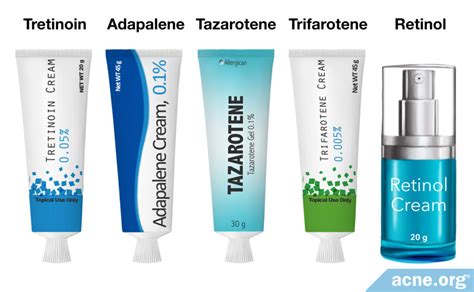
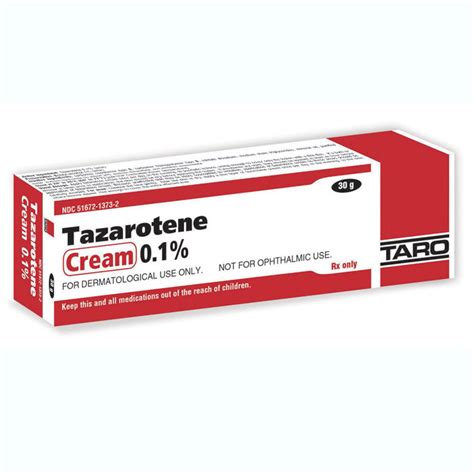
Tazarotene can also be employed to diminish fine lines, wrinkles, and patches of skin discoloration associated with photoaging, thereby improving the overall look and feel of the skin. For psoriasis, a 0.1% cream or gel formulation is generally more effective, while the 0.05% cream or gel is associated with less irritation. Tazarotene is available as a branded medication, with different brands including Tazorac, Avage, Fabior, and Arazlo. Each brand and formulation has distinct approvals; for instance, Tazorac gel 0.05% is indicated for plaque psoriasis in patients aged 12 years and older, Tazorac gel 0.1% is used for plaque psoriasis and facial acne vulgaris in patients aged 12 years and older, and Tazorac cream 0.05% is approved for plaque psoriasis in patients over 18 years old.
Usage and Application Guidelines
It is essential to apply tazarotene exactly as prescribed by your doctor. Excessive use does not enhance its effectiveness and may increase the risk of side effects such as redness, skin peeling, and discomfort. Avoid contact with the mouth, eyes, and other mucous membranes. If the medication comes into contact with your eyes, flush them thoroughly with copious amounts of cool water.
When using the cream or gel to treat psoriasis, apply it to dry skin. If necessary, you may apply a moisturizer at least one hour before applying tazarotene, ensuring that no moisturizer remains on the skin when it's time for tazarotene application. It is common to experience transient itching, burning, or stinging after applying the preparation. If irritation becomes excessive, temporarily discontinue tazarotene. Consult your doctor regarding a reduction in the strength of the preparation (if treating psoriasis) or a decrease in application frequency. Treatment can be reinitiated, or the concentration increased at a later date.
When tazarotene is used to treat psoriasis, it is often prescribed in conjunction with a corticosteroid to mitigate the skin irritation that can sometimes arise from using a retinoid alone. This medication also heightens sun sensitivity. Therefore, wearing protective clothing and using sunscreen are recommended. When using tazarotene to treat acne, gently wash and dry the affected areas before applying the gel or cream. For photoaging treatment, gently wash the face with a mild cleanser, pat it dry, and then wait for 20 to 30 minutes before applying a pea-sized amount of 0.1% cream to cover the face. This can include the eyelids if desired, but care should be taken to avoid the eyes and mouth. Moisturizers can be applied either before or after tazarotene, but ensure the first topical preparation has been fully absorbed into the skin and is completely dry before applying the second.
Tazarotene should be used as part of a comprehensive skincare and sun avoidance program, which includes the use of a sunscreen with an SPF of at least 15. Do not use tazarotene if you have a sunburn until you have fully recovered. Minimize the exposure of treated areas to sunlight and avoid sunlamps. Tazarotene foam is flammable; therefore, avoid fire, flames, and smoking during and immediately after application.
To minimize dryness, peeling, and redness, it is important to adopt a conservative approach when starting tazarotene. Begin by applying Arazlo every other night or every third night, depending on your skin's reaction. This allows your skin time to adjust to the product. Before applying Arazlo, ensure your face is clean and dry. After cleansing, wait approximately 15-20 minutes before applying tazarotene. Applying it to wet skin can increase irritation and may reduce its absorption effectiveness. Use a gentle, non-stripping cleanser to remove dirt, oil, and makeup from your face.
When using Arazlo, less is more. A small amount, about a pea-sized quantity, is sufficient for the entire face. Dab small amounts of the gel onto different areas of your face, such as the forehead, cheeks, chin, and nose, and gently spread it in a thin layer. Because Arazlo can cause dryness and peeling, it is essential to apply a good moisturizer after using tazarotene. Moisturizers help to retain hydration and protect the skin barrier, thereby reducing the likelihood of irritation.
Potential Side Effects and Precautions
Patients using ARAZLO Lotion may experience application site pain, dryness, exfoliation, erythema, and pruritus. Depending on the severity of these adverse reactions, patients should be instructed to use a moisturizer, reduce the frequency of ARAZLO Lotion application, or discontinue use. Therapy can be resumed, or the application frequency can be increased, as the patient becomes able to tolerate the treatment.
Minimize unprotected exposure to ultraviolet light, including sunlight and sunlamps, while using ARAZLO Lotion. Patients who typically experience high levels of sun exposure and those with inherent sensitivity to the sun should be cautioned. Use sunscreen products and protective clothing over treated areas when sun exposure cannot be avoided. ARAZLO Lotion should be used with caution if the patient is also taking medications known to be photosensitizers (e.g., thiazides, tetracyclines, fluoroquinolones, phenothiazines, sulfonamides) due to the increased possibility of augmented photosensitivity.
Tazarotene can cause skin irritation, particularly when first starting its use. It may increase the risk of sunburn. Use with caution in individuals whose occupations involve significant sun exposure or who are inherently more sensitive to the sun. Advise patients to use a sunblock with an SPF of at least 15 or protective clothing when exposure to treated areas cannot be avoided. Exercise caution when using it in individuals taking concomitant photosensitizing agents (such as doxycycline, NSAIDs). It is not recommended for individuals with eczema, as it may cause severe irritation.
Tazarotene may cause birth defects and should not be used during pregnancy. Women of childbearing potential must use effective birth control to prevent pregnancy. A pregnancy test should be conducted before initiating tazarotene. If a woman inadvertently becomes pregnant while using it, she should stop using topical tazarotene immediately and inform her doctor. It is not known if tazarotene is distributed into human milk. Safety has not been established for the treatment of psoriasis in children under 18 years, for acne in children under 12 years, or for the treatment of photoaging in children under 17 years.
Tazarotene does not eliminate or prevent wrinkles, repair photodamaged skin, reverse photoaging, or restore youthful dermal histologic patterns. In general, seniors or children, individuals with certain medical conditions (such as liver or kidney problems, heart disease, diabetes, seizures), or those taking other medications may be at a higher risk of developing a wider range of side effects.
It is important for your doctor to check your progress at regular visits. This allows your doctor to assess if the medicine is working properly and to determine if you should continue using it. Using this medicine while pregnant can harm your unborn baby. Employ an effective form of birth control to prevent pregnancy. If you suspect you have become pregnant while using this medicine, inform your doctor immediately. To ensure you are not pregnant when you begin using this medicine, you may need to start during a normal menstrual period. Additionally, you must have a negative pregnancy test within two weeks before commencing treatment with this medicine.
If you are using this medicine to treat acne on your face, your condition may appear to worsen initially before it begins to improve in approximately 4 weeks. Consult your doctor if your condition does not improve within 8 to 12 weeks. If you are using this medicine to treat psoriasis, scaly patches on the skin may start to improve within about 1 to 4 weeks, but redness may take longer to resolve. Consult your doctor if your condition worsens.
Avoid exposing your skin to wind, cold weather, and sunlight, even on cloudy days, as your skin will be more prone to sunburn, dryness, or irritation. Do not use a sunlamp or tanning bed. Regularly use a sunscreen or sunblock lotion with a sun protection factor (SPF) of at least 15. Skin reactions such as dryness, redness, scaling, burning, or stinging can occur when using this medicine. Use a moisturizer as needed to alleviate these skin problems. It is likely that your skin may become irritated with normal use of this medicine. You should not stop using tazarotene unless your skin becomes excessively red, dry, puffy, or otherwise irritated. If severe irritation occurs, contact your doctor. Unless your doctor advises otherwise, avoid skin products that can dry or irritate the skin. Examples include topical acne products or skin products containing a peeling agent (such as benzoyl peroxide), irritating hair products (like permanents or hair removal products), skin products that cause sun sensitivity (such as those containing spices or limes), skin products with a high alcohol content (like astringents, shaving creams, or after-shave lotions), and overly drying or abrasive skin products (such as some cosmetics, soaps, or skin cleansers). Consult your doctor before taking oral vitamin A supplements while using this medicine.
Tazarotene cream how to use: Uses, Dosage, Side Effects, Contraindications
Expected Results and Timeline
Within 1 to 4 weeks of using tazarotene, most individuals experience a 50% reduction in psoriasis symptoms. Improvements in skin redness may take longer to become apparent. These improvements can persist for up to 3 months. Acne symptoms typically improve after approximately one month (4 weeks) of tazarotene use.
When used to treat acne, the condition may seem to worsen initially before improving around the 4-week mark. For psoriasis, scaly patches may improve in 1 to 4 weeks, with redness taking longer. It is important to be patient when using tazarotene, as visible improvements can take several weeks. Some individuals might experience an initial breakout or "purging" phase as the medication accelerates skin turnover and brings underlying congestion to the surface. While Arazlo is highly effective, side effects like dryness and flakiness can occur, especially during the initial weeks of use. If side effects become too severe or uncomfortable, consult your dermatologist.
Estimated Fitzpatrick skin type designations were assessed based on photographs post-trial by a board-certified dermatologist. Photos have not been retouched. ARAZLO Lotion is for topical use only.
tags: #before #tazarotene #cream