Collagen has long been regarded as the ‘fountain of youth.’ For centuries, women consumed food rich in collagen to smooth withered skin and preserve joints. In the 1980s, collagen became available, yet expensive, through injectable fillers to soften skin lines. Due to its tremendous benefits to the skin, collagen became easily and readily accessible to the wider population through edible fruity chews, creamers, sachets, and capsules, as well as through cosmetic and medical creams, serums, and lotions, among others.
Collagen is one of the proteins responsible for skin elasticity and stretchiness. It is plentiful in the skin, making up between 75% to 80% of the skin’s composition. Collagen wards off wrinkles and fine lines. However, collagen production is usually negatively impacted by the environment and by aging.
Although one cannot typically measure the level of collagen in their skin, there are certain signs that show falling levels of collagen, such as wrinkles, dull and weathered skin, stiffer ligaments and tendons, joint pain, weakening muscles, and gastrointestinal problems.
Key Benefits of Collagen for the Skin
Here are 5 key benefits of collagen for the skin that you absolutely should know of:
1. Collagen Benefits Skin Hydration
Collagen peptides have particular hydration structures. The moisturizing factor in your skin, thus, increases, providing your skin with the hydration it needs. Hydrated skin is healthy skin with distinctive smoothness and glow.
2. Collagen Benefits Skin Elasticity
As a main protein, collagen supports connective tissues in the body, allowing the skin to retain its elasticity. That way, your skin would not look soggy and weathered. A study conducted on 69 women exposed to collagen daily revealed significant improvement in skin elasticity as opposed to a group of women who were not exposed to collagen.
For products that improve skin elasticity, consider options like Neutrogena Cellular Boost Anti-Ageing Night Cream and Neutrogena Cellular Boost Eye Rejuvenating Cream, which leverage the benefits of collagen.
3. Collagen Fights Aging
Your body produces less collagen as you age. This decrease in production of collagen leads to dry skin and the formation of wrinkles. Therefore, the more collagen you have in your skin, the less likely you will develop wrinkles. Remember, collagen is a traditionally-used and research-proven anti-aging ingredient.
Neutrogena Cellular Boost products are also recommended for combating the signs of aging.
4. Collagen Increases Blood Flow to the Skin
Collagen is a vital component of blood vessels. Through strong and flexible vessels, collagen can ensure a good blood flow into the skin, which is ultimately what your skin needs to maintain its healthy features.
5. Collagen Helps with Wound Healing
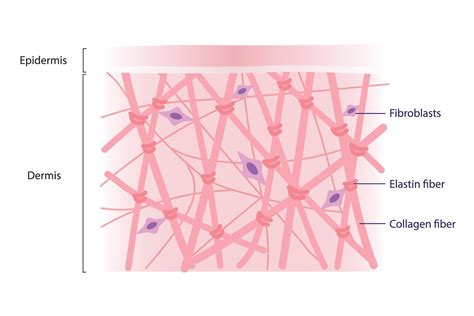
Collagen has an important role in wound healing. Collagen attracts fibroblasts to the wound site. Fibroblasts are the most common cells found in connective tissues. Essentially, collagen has great potential to stop bleeding, attract skin cells to the wound bed, and stimulate the formation of new blood vessels. Collagen can also be left in wounds without irritating your skin or causing bacterial growth.
Understanding Collagen's Role and Limitations in Skincare
If you’ve ever searched for an anti-aging skincare product, there’s no doubt you’ve heard of collagen. Many products claim to “replenish collagen” or “boost collagen production” in the skin. While collagen does have a very important role in skin care, some of these marketing claims can be misleading.
Collagen is the main structural protein of the extracellular space in various connective tissues, including the dermis, the middle layer of skin that lies below the epidermis. In fact, collagen is the most abundant protein in the human body, making up from 25% to 35% of the whole-body protein content. To date, 29 types of collagen have been described; however, over 90% of collagen throughout the body is of types 1 through 5, with type 1 being the most abundant.
Of the five types of collagen, type I collagen is the most abundant. This makes sense since this type is found in the skin, the largest organ of the human body. In addition to providing strength and elasticity, collagen also helps to replace dead skin cells.
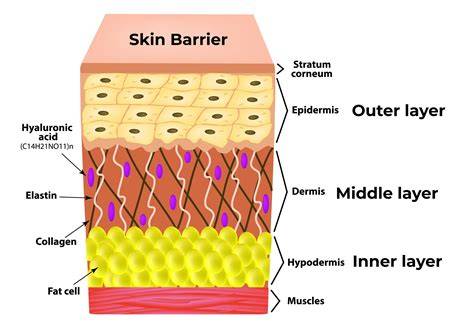
Aging results in thinning of all three layers of the skin: the epidermis, the dermis, and the hypodermis. The top layer of the skin, the epidermis, provides a waterproof barrier and protects the body from external harm. This layer covers the dermis, which contains connective tissue, hair follicles, sweat glands, and collagen. Underneath the dermis is the hypodermis, a layer of subcutaneous tissue made up of adipose (fat) cells and connective tissue. Thinning of these layers is accompanied by a decrease in collagen. Collagen production decreases by approximately 1% with each year of age after maturity (about age 21), leading to a loss in firmness and elasticity of skin.
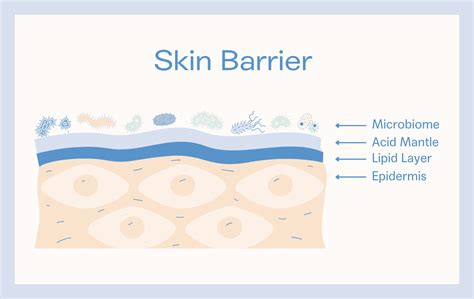
Despite the important role of collagen in skin, adding collagen in a topical product is often considered worthless in terms of anti-aging benefits. While topically applied collagen will moisturize the skin, that’s about the extent of what it can do. Applying collagen topically has never been shown to stimulate collagen synthesis or growth. This is because collagens have molecular weights making them too large to penetrate the top layer of skin. Typically, only molecules of size 500 Daltons or less can effectively cross the skin barrier.
Effective Ways to Stimulate Collagen Production
Even though adding collagen to a topical skincare product may be ineffective for anti-aging, there are topical products that can improve collagen production. For example, topical vitamin C in the form of L-ascorbic acid with concentrations between 5% and 15% has been proven to have a skin anti-aging effect by inducing the production of collagen types I and III.
The retinoid family comprises vitamin A (retinol) and its natural derivatives such as retinaldehyde, retinoic acid, and retinyl esters, as well as a large number of synthetic derivatives. Topical application of tretinoin (a synthetic retinoid) can improve the appearance of photoaged skin by stimulating new collagen production in the dermal layer of skin. While there are several over-the-counter products formulated with retinol, tretinoin and other prescription retinoids have proven to be more potent and effective when treating photoaged skin. Thus, it is best to consult with your dermatologist to determine which retinoid is best for you.
Chemical peeling is an accelerated form of facial exfoliation created by acids that produce a controlled injury to the skin. Chemical peels can reduce the appearance of wrinkles, fine lines, and many other skin concerns by stimulating collagen remodeling.
Similar to chemical peels, laser treatments can stimulate collagen production by producing a controlled injury to the skin. One example of an effective laser treatment is the Clear + Brilliant laser, which has been clinically proven to help the skin look and feel younger by promoting collagen production to smooth away the appearance of fine lines, wrinkles, and uneven skin tone and texture.
Anti-Aging Laser Treatments That Change the GAME | Dr. Sam Ellis
It’s clear that the role of collagen in skin care is important from both a functional and cosmetic standpoint. The normal aging process causes a decrease in the skin’s collagen production, giving rise to a number of common aesthetic skin concerns, including fine lines, wrinkles, and sagging skin. Despite marketing claims, topically applied collagen is not going to get you the results you desire in terms of anti-aging and improving the firmness and elasticity of your skin. To regain the supple, youthful appearance of your skin, it is recommended to consult with a dermatologist to discuss which treatment option would be best for you.