As someone with sensitive skin, I try to be mindful of the ingredients I apply to my skin, so when I find something that works, I rarely stray. Throughout my trials, mandelic acid and PDRN have made the cut; and now mānuka honey skin care joins their ranks.
Having come up during the golden age of wellness podcasts, I’ve long been familiar with mānuka honey as an immunity-boosting ingredient. To be fair, I also grew up making DIY face masks from whatever was in the fridge-yogurt, lemon, turmeric, even eggs. While I mostly rely on store-bought topicals now, I still love edible ingredients in skin care, provided they’re actually backed by science. It seemed only inevitable that I’d hop on the mānuka honey train, too.
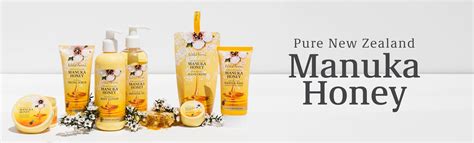
What Sets Manuka Honey Apart?
On what sets it apart from traditional honey, mānuka honey is derived from the nectar of mānuka flowers native to New Zealand and parts of Australia. According to board-certified dermatologist Michele Green, MD, it’s rich in antioxidants, offers antibacterial benefits for acne-prone or irritated skin, and acts as both a humectant and an emollient to help hydrate while preventing moisture loss.
Because it’s both costly and difficult to source authentically, relatively few skin-care brands use mānuka honey as a hero ingredient. The ones that do, however, can be remarkably effective. Since incorporating it into my routine, I’ve noticed fewer breakouts and significantly more hydration.
A spoonful of this magical golden elixir may not keep the dermatologist away for good, but it can certainly help. Below, the best mānuka-honey-infused products-from bar soaps and masks to moisturizers-worth trying right now.
Top Manuka Honey Skincare Products
Best Face Mask: Activist Manuka Honey Mask
Why We Love It: Theoretically safe enough to eat, Dr. Green assures us that this mask contains 100% raw mānuka honey to hydrate and soothe skin gently. “Since there are no additional ingredients, this mask can be used in many different ways to rejuvenate the skin-as a mask to repair cellular damage, as a cleanser to promote hydration, and as a spot treatment for acne lesions to reduce bacterial growth,” she explains. If using it as a mask, leave it on for 30 minutes before rinsing. As a cleanser, apply a small amount to damp skin, massage gently, and rinse.
Editor’s Experience: “There are few things as indulgent as a full face of pure mānuka honey. So on days when I want to feel better than everyone else, or when my skin needs a bit of spot treating, I reach for this mask (and always make sure to post the tube on Instagram). Naturally, it’s very sticky, so I wouldn’t recommend it on days when you’re running around the house. When I apply it, I make sure to wear a very secure headband and lie still for half an hour so it doesn’t ruin my hair.” -Iman Balagam, contributor
- Key Ingredients: Mānuka honey
- Best For: Sensitive, acne-prone skin
- Size: 80 mL
Best Face Cream: Aunu Mānuka Cream
Why We Love It: Launched in 2025, Aunu is a honey-focused skin care label that uses patented medical-grade mānuka honey sourced from New Zealand in all of its formulas; inspired by the ingredient’s use in hospitals worldwide as the base of an FDA-cleared wound-healing device. In the case of its moisturizing cream, Dr. Green explains that the formula is especially beneficial for dry or sensitive skin. “It includes mānuka honey and hyaluronic acid, two humectants that pull water into the skin for maximum hydration,” she says. “Mānuka honey also has emollient properties that help support the skin’s moisture barrier, along with anti-inflammatory benefits that can soothe sensitive or irritated skin.”
Editor’s Experience: “If you want to be someone in the know, it’s time to get familiar with Aunu. In my opinion, it’s one of the most exciting brands to emerge in recent years, with products that manage to walk the line between luxury and efficacy. I’m a fan of the entire line-from the cleanser I use after working out to prevent breakouts, to the toner I douse my skin in, to the lightweight yet hydrating moisturizer. And then there’s the packaging. The bright yellow does what millennial pink once did for me, which is to say I love showing it off whenever people come over.” -Iman Balagam, contributor
- Key Ingredients: Mānuka honey, glycerin
- Best For: Sensitive, irritated skin
- Size: 50 mL
Best Cleanser: Flamingo Estate Mānuka Honey Soap Brick
Why We Love It: Flamingo Estate is known not only for its beauty products but also for its pantry offerings, including a rare mānuka honey from remote Mount Taranaki. So it only makes sense that the brand would eventually put the ingredient into skincare with its Mānuka Rich Cream-another favorite among the team at Vogue-as well as this limited-edition soap brick. Dr. Green explains that it blends mānuka honey with coconut oil, hemp oil, calendula flower oil, lanolin, and shea butter, ingredients that cleanse the skin while helping to lock in moisture, soften texture, and defend against free-radical damage. “This plant-based formulation is hydrating and gentle, making it ideal for individuals with dry or inflamed skin,” she says.
Editor’s Experience: “Everything Flamingo Estate touches seems to turn to gold, and I loved seeing what they did with the humble bar soap. Unlike traditional bars, which tend to feel more like a means to an end than an indulgent ritual, this one lathers beautifully, feels great on the skin, has a lovely earthy scent, and leaves skin noticeably smoother. It’s quite expensive, but the bar is oversized so it lasts for a few months. Plus, it’s handmade in LA with premium ingredients, so I can girl-math my way into splurging.” -Iman Balagam, contributor
- Key Ingredients: Mānuka honey, coconut oil, hemp oil, calendula flower oil, lanolin, shea butter
- Best For: All skin types
- Size: 12 oz.
Best for Mature Skin: Mānuka Health Eternal Renewal Regenerating Face Cream
Why We Love It: “The Eternal Renewal Regenerating Face Cream from Mānuka Health uses mānuka honey, royal jelly, and bee venom to smooth and replenish the skin while helping address visible signs of aging,” says Dr. Green, who explains that mānuka honey provides humectant, emollient, antibacterial, and antioxidant benefits that help deliver deep hydration while protecting the skin. She notes that royal jelly contains fatty acids, proteins, lipids, and vitamins that support collagen production, improve elasticity, and enhance moisture retention. Bee venom, she adds, contains peptides and enzymes such as melittin and phospholipase A2, which have antimicrobial and anti-inflammatory properties that help soothe and protect the skin.
Editor’s Experience: “During COVID, I’d take a dropper of elderberry syrup and a spoonful of Mānuka Health’s mānuka honey every morning. So imagine my excitement when the brand leaned into beauty. It’s quite lightweight, so you can use it both day and night. My only note is that it contains bee venom, which isn’t for everyone, so be sure to patch test first.” -Iman Balagam, contributor
- Key Ingredients: Mānuka honey, aloe vera, bee venom, royal jelly
- Best For: Dry skin
- Size: 1.69 Fl. oz.
Best for Dry Skin: Naturopathica Mānuka Honey Whipped Oil
Why We Love It: Best suited for those with dry skin or anyone who prefers a heavier moisturizer, the Naturopathica Mānuka Honey Whipped Oil combines honey with jojoba oil to help lock in moisture while protecting the skin from free-radical damage and oxidative stress. “Jojoba oil is rich in antioxidants and fatty acids, making it excellent for protecting and repairing the skin’s natural moisture barrier,” explains Dr. Green. “It also contains apricot kernel oil to soften the skin and create a smoother complexion.”
Editor’s Experience: “While I love the texture of this whipped oil, it’s a bit too thick for my face year-round since I have combination skin. However, if you have dry skin, you’ll likely appreciate how nicely it melts into the skin.”
- Key Ingredients: Mānuka honey, jojoba oil, apricot kernel oil
- Best For: Very dry skin
- Size: 1.7 oz.
The Science Behind Manuka Honey for Skin
Comprising potent antibacterial, antiseptic, and anti-inflammatory properties, Biosota's premium, certified organic Manuka honey is perfect for nourishing, soothing, and rejuvenating your skin. A Manuka honey face mask offers a range of beauty benefits.
Cleansing Properties
Manuka honey boasts unique antibacterial properties due to its abundant levels of MGO (methylglyoxal).
Protective Antioxidants
Manuka honey’s antioxidants help protect skin from damage caused by free radicals.
How to Use Manuka Honey in Your Skincare Routine
There are several ways to incorporate manuka honey into your skincare regimen:
DIY Face Mask Methods
- Method 1: Mix the ingredients, and apply to your face.
- Method 2: Mix all the ingredients together and apply to your skin. It’s best to do this after your cleansing routine but before applying any serums, oils, or moisturizers.
- Method 3: Mix all the ingredients and apply the mask to your clean face. Leave on for 10-20 minutes before washing off. After rinsing off this mask, you may notice a slight yellow tint on your face (from the turmeric).
- Method 4: Mix the ingredients in a small bowl. Apply the mask to your face using fingers. Leave on for 30 minutes or up to 1 hour.
- Method 5: Mix the ingredients and apply the mask to your face.
A Manuka honey face mask moisturizes, cleanses, soothes, and protects the skin. Most Manuka honey face masks work best when left on for 15-30 minutes.
Choosing the Right Manuka Honey
For skin and beauty use, Biosota recommends starting with MGO 260+ to MGO 880+ from their medicinal-grade range.
Manuka Honey as a Natural Cleanser
Admittedly, I’m late to the all-natural skin-care conversation. Plenty of people have been adding coconut oil and apple cider vinegar to their beauty routines for a while now. But I’m too scared to put oil on my pimple-prone face, and the potent odor of vinegar makes my nose hairs curl. That said, I did want to get in on that natural beauty trend, so I started researching natural cleansers, since I’m not particularly thrilled with the ones I have on my shelf. My glycolic cleanser is too harsh, and my foam cleanser isn’t tough enough on my oily T-zone. Like Goldilocks on a skin-care mission, I began searching for a natural cleanser that would be just right for me.
On my quest, I fell down a Google rabbit hole and discovered manuka honey cleansing. Beauty sites claimed that raw manuka honey worked miracles as a moisturizing facial cleanser, even suggesting it could improve acne and inflammatory skin conditions like eczema. And people have been using honey in wound care for centuries, so it seems legit.
There’s even some research that suggests honey has antioxidative, antimicrobial, and anti-inflammatory properties. But what even is manuka honey? Native to New Zealand, manuka honey is a variety of honey with a high concentration of methylglyoxal (MG), a component derived from the nectar of manuka flowers. Though MG may be found in other types of honey, the compound is particularly rich in manuka honey, purportedly giving it greater antibacterial properties than other honey varieties.
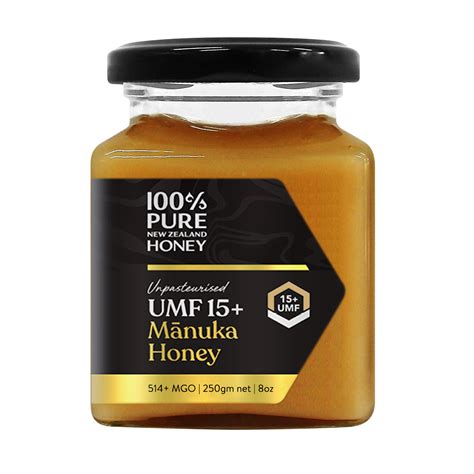
There’s even a rating system maintained by the Unique Manuka Factor Honey Association (UMFHA), a growing organization of beekeepers, producers, and exporters dedicated to producing genuine manuka honey. The rating system, the Unique Manuka Factor (UMF), uses numbers to indicate the amount of certain compounds (like MG) in products, which confirms that the product is authentic.
Personal Experience with Manuka Honey Cleansing
Intrigued by the possibilities of this seemingly wonder product, I enlisted the expertise of a board-certified cosmetic dermatologist, Y. Claire Chang, M.D., of Union Square Laser Dermatology, and set out on a week-long honey cleansing experiment.
Dr. Chang suggested that I choose a high-quality honey with an appropriate formulation that wouldn’t clog my pores. After a bit of research, I picked Manuka Doctor Bio Active Honey ($21), a product certified as authentic New Zealand manuka honey by the UMFHA.
The first time I opened the jar, I was surprised. Manuka honey is almost mustard-colored and more opaque than the stuff I have in my pantry. I started with a patch test to make sure my skin wouldn’t have an adverse reaction. (Though I’m not allergic to bees or honey, it’s always better to be safe.)
Despite being viscous, the honey went on more smoothly than I expected. However, a little didn’t go a long way. I needed several large finger scoops to cover the surface area of my face. I smeared it around for thirty seconds and it felt slick on my wet skin. To my delight and shock, it rinsed off easily-nothing like the sticky mess I had envisioned.
For one week, I washed my face every night with manuka honey and took note of any changes in my acne, redness, and skin hydration. I did miss the lather of a traditional cleanser-somehow washing didn’t really feel like washing without it-but I was willing to forego the satisfaction of foamy bubbles if manuka honey worked as well as people claimed it did. Keep reading to see how my experience and the research stacks up against some common manuka honey cleansing claims:
Does Manuka Honey Help with Acne?
My Experience: As luck would have it, I was honey cleansing the week before my period-pimple primetime-and curious to see how manuka honey would fare against my usual crop of stubborn zits. I was hopeful, but alas, I didn’t see much of a difference. The usual pre-period bumps came out to play and overstayed their welcome for 48 hours.
What the Science Says: The hard truth is that, despite all the amazing anecdotes I’d read, there’s not a lot of science to back up the claims that manuka honey reduces breakouts. “Though some in vitro studies suggest manuka honey can inhibit Propionibacterium acnes, a type of bacteria associated with acne,” Dr. Chang says, “clinical research has failed to corroborate the benefits of honey as an acne treatment.”
One study did look at honey in humans and found somewhat disappointing results: For the study, published in BMJ Open in 2015, researchers gave all 136 participants with acne an antimicrobial wash to use twice daily for 12 weeks. Half of them also applied a cream containing kanuka honey (another New Zealand honey similar to manuka) after the wash for 30 to 60 minutes, while the other half just used the wash. Results showed that about 8 percent of those in the honey group and 2 percent of those in the control group showed improvements in acne over 12 weeks, which wasn’t enough of a difference for the researchers to conclude the honey did very much.
The Verdict: If you have acne, you’ll probably be better off sticking to tried-and-true, evidence-based medications recommended by your dermatologist.
Can Manuka Honey Reduce Redness and Irritation?
My Experience: I have rosacea-an inflammatory skin condition that causes redness-and though it’s not severe, I do experience acute flare-ups now and again. At the start of the honey cleansing trial, my skin was exhibiting its usual degree of low-grade inflammation-a small rosy patch on my upper cheek. Unfortunately, after using the honey cleanser for a full week, there was minimal reduction in my redness.
What the Science Says: “Since rosacea may be triggered by Bacillus oleronius bacteria and the Demodex folliculorum mite, honey has been of interest as a possible treatment due to its antibacterial and anti-inflammatory properties,” Dr. Chang says.
She notes a pilot study published in BMJ Open in 2015 in which 138 participants with rosacea applied either a cream containing kanuka honey or a control cream to their faces twice a day for eight weeks. Results showed that 34 percent of those in the honey group showed improvements in redness after eight weeks compared to just 17 percent in the control group, suggesting that the honey cream may have been more effective at reducing the symptoms of rosacea than a placebo.
For this reason, I again had high hopes that manuka honey could help my skin. However, I didn’t see much of a difference at the end of the week.
The Verdict: I only used manuka honey for a week, whereas participants in the aforementioned study tried kanuka honey for two months with a twice-daily application. Perhaps to see results, I would have to commit to a longer trial period.
Does Manuka Honey Hydrate Dry Skin?
My Experience: During colder months, the dry air and heating do a doozy on my complexion. Despite my herculean efforts to keep my skin moisturized and hydrated, my face still gets uncomfortably dry. Testing the product in late fall when it was just starting to get cold, I was counting on manuka honey to bring some much-needed relief and praying it wasn’t just a desert mirage.
The day after my first honey face wash, I noticed something promising. The skin around my nose wasn’t peeling as badly. By mid-week, my whole face felt smoother, and I could apply my makeup with ease-my foundation spread evenly without getting trapped in the crooks and crevices of rough, flaky patches. Feeling optimistic, I took my honey routine one step further. On my last day, I gave myself a 10-minute honey face mask treatment. When the time was up, I rinsed it off as usual. The next morning, my skin felt saturated and silky smooth.
What the Science Says: Manuka honey may have some serious hydrating power. According to Dr. Chang, “manuka honey is a natural humectant due to its sugar component, which draws in and retains moisture, and may be a useful ingredient for moisturizers and emollients.”
The Verdict: I was impressed. Plus, you don’t have to necessarily slather your face in actual honey to give it a shot-there are a bunch of skin-care products out there that contain manuka honey in some form. For instance, L’Oreal Paris Age Perfect Hydra Nutrition Honey Night Balm, $20, contains a manuka honey extract, Farmacy Honey Potion Renewing Antioxidant Hydration Mask, $56, and Naturopathica Manuka Honey Cleansing Balm, $62.
But beware that honey, like many botanical ingredients, can cause irritation or even an allergic reaction. So, especially if you have sensitive skin, this is something that should be introduced to your regimen with caution and possibly the guidance of a dermatologist.
After a week of testing manuka honey for various skin issues, I decided to continue to incorporate manuka honey into my weekly beauty regimen as a moisturizing face mask. One thing’s for certain, though-I’m a suds and lather gal, so my search for a perfect face wash continues.
tags: #manuka #honey #moisturizing #mask