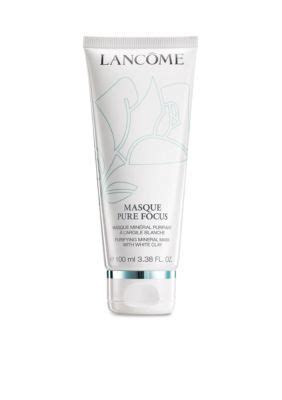
The Lancôme White Clay Mask is a 5-minute facial treatment meticulously designed to address concerns of excess oil and the appearance of enlarged pores. This product aims to enhance the skin's appearance through a synergistic blend of potent absorbent and beneficial moisturizing actions.
Key Ingredients and Their Functions
The efficacy of the Lancôme White Clay Mask is rooted in its carefully selected ingredient profile. Each component plays a crucial role in delivering the promised results:
Oil Absorption and Pore Appearance Reduction
- Kaolin: This fine, white clay, a naturally occurring hydrous aluminum silicate, possesses excellent absorbent properties. It works diligently to soak up excess sebum and impurities from the skin's surface, which can contribute to a reduced appearance of pores. Unlike more aggressive clays like bentonite, kaolin offers a gentler approach to oil absorption.
- Montmorillonite: Originating from a clay type found near the French village of Montmorillon, this ingredient is renowned for its remarkable absorbent capabilities. It is highly effective at instantly drawing out sebum and debris from the skin, and it may even offer benefits in soothing certain rashes or skin irritations, such as contact dermatitis.
- Oryza Sativa (Rice) Starch: This ingredient contributes to the mask's ability to absorb excess oils, further supporting the reduction in the visible appearance of pores.
Hydration and Moisture Retention
- Butylene Glycol: Often referred to as BG, this colorless, syrupy liquid is a versatile ingredient. Its primary function is often as a solvent for other components, but it also acts as a penetration enhancer, aiding in faster and deeper absorption of beneficial ingredients. Furthermore, it functions as a humectant, attracting moisture to the skin, and provides a pleasant slip agent, allowing the product to spread smoothly. BG is recognized for its safety and is approved by Ecocert, making it a suitable choice for natural product formulations.
- Propylene Glycol: Similar to Butylene Glycol, Propylene Glycol acts as a humectant, drawing moisture into the skin to help maintain optimal hydration levels. It also contributes to the product's texture and stability.
Opacifying and Texturizing Agents
- Titanium Dioxide (Ci 77891): This white pigment is utilized for its opacifying properties, contributing to the mask's color and providing a clean, smooth appearance on the skin. It is known for its excellent color consistency and dispersibility.
- Chondrus Crispus (Carrageenan): Derived from red seaweed (Irish moss), carrageenan acts as a thickening agent, giving the mask its desired consistency and making it easy to apply and remove.
Stabilizers and Emulsifiers
- Acacia Senegal Gum: Harvested from Acacia trees in sub-Saharan Africa, this natural polymer functions as a powerful thickening and binding agent. It is often combined with xanthan gum to mitigate any potential stickiness, ensuring a pleasant user experience.
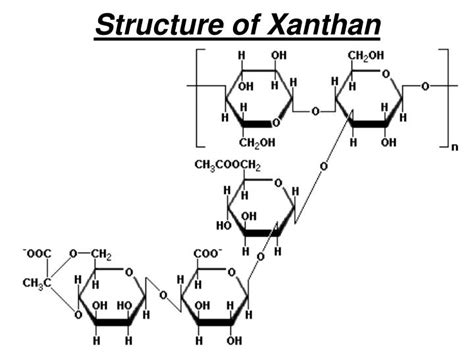
- Xanthan Gum: A widely used ingredient for thickening and stabilizing emulsions, xanthan gum transforms a runny product into a more gel-like consistency. While it can sometimes lead to a sticky feel when used alone, it is an excellent team player, typically combined with other rheology modifiers to achieve the perfect texture and feel. Xanthan gum is a naturally derived polysaccharide produced through fermentation.
The Lancôme Brand Philosophy
Lancôme is synonymous with sophistication and luxury within the global beauty industry. The brand has earned widespread recognition for its exceptional range of skincare, makeup, and fragrances, all designed to embody elegance and proven effectiveness. From its celebrated Advanced Génifique serum to the highly sought-after L'Absolu Rouge lipstick collection, Lancôme consistently merges advanced scientific innovation with timeless aesthetic appeal, delivering tangible results that resonate with consumers worldwide.
Understanding Cosmetic Ingredients
The information presented here is based on publicly available data provided by the brand and common knowledge within the cosmetic formulation industry. It is intended for informational purposes only and does not substitute for professional dermatological advice.
The Role of Water (H2O)
Water, or H2O, is the most prevalent ingredient in cosmetic products. The water used in these formulations is typically purified and deionized, meaning that mineral ions have been removed to ensure purity and stability.
Preservatives and Fragrance Components
Several ingredients contribute to the longevity and sensory appeal of the mask:
- Phenoxyethanol: This ingredient acts as a preservative, helping to maintain the product's integrity over time. It functions effectively at acidic pH levels (3-5) and is considered a gentle alternative to parabens.
- Potassium Sorbate: Another preservative, potassium sorbate works primarily against fungi and yeast. It requires water and an acidic pH (3-4) to break down into its active form, sorbic acid. It is often used in conjunction with other preservatives to ensure broad-spectrum protection.
- Caprylyl Glycol: This ingredient contributes to the skin's soft feel and is often blended with phenoxyethanol to create preservation systems like Optiphen, which not only protects the product but also enhances its feel on the skin.
- Fragrance (Parfum): This generic term encompasses aromatic compounds added to cosmetic products for their pleasant scent. However, for individuals with sensitive skin or those preferring to know precisely what they are applying, fragrances can be a concern due to their potential to cause contact allergies.
- Linalool: A very common fragrance ingredient found naturally in plants like lavender and bergamot. A potential concern with linalool is its tendency to oxidize upon exposure to air, which can render it allergenic. Products containing linalool that have been open for extended periods may pose a higher risk of allergic reaction.
- Limonene: Another common fragrance ingredient with a sweet, balsamic aroma, which can also act as a solvent and possess antimicrobial properties. Like linalool, it can oxidize and become allergenic. It is listed among the "EU 26 fragrances" requiring separate labeling due to its allergen potential.