Dark circles under the eyes can significantly impact facial appearance, often making a person look tired and older. These circles can stem from various factors, including lack of sleep, allergies, aging, genetics, or even eyestrain. Fortunately, specialized eye creams are formulated with ingredients designed to address these concerns by moisturizing, plumping, and brightening the delicate under-eye skin.
The most effective eye creams for dark circles often contain a blend of ingredients that target different aspects of the problem. Some ingredients work to constrict blood vessels that contribute to the dark hue, while others help reduce swelling and puffiness. Understanding these ingredients is key to selecting the right product for your specific needs.
Key Ingredients for Tackling Dark Circles
Dermatologists recommend specific ingredients known for their efficacy in treating under-eye concerns. These include:
- Caffeine: Helps constrict blood vessels, making them less noticeable and reducing the dark appearance.
- Vitamin K: Aids in improving blood circulation, which can help dissipate pooled blood that causes discoloration.
- Vitamin B3 and C: These potent antioxidants work to brighten the skin and even out skin tone.
- Peptides: Stimulate collagen production, which helps to plump and firm the skin, making blood vessels less visible.
- Hyaluronic Acid: Attracts and retains moisture, plumping the skin and reducing the appearance of shadows caused by hollowness.
- Arbutin, Kojic Acid, and Licorice Root Extract: These are known for their skin-brightening properties, helping to lighten pigmentation.
- Retinol: Promotes skin cell turnover and boosts collagen production, which can thicken the delicate under-eye skin over time and reduce the appearance of fine lines. It's crucial to use formulas specifically designed for the eye area as retinoids can be potent.
When selecting an eye cream, look for products that combine several of these beneficial ingredients. Customer ratings of 4 stars or more and the inclusion of these key components are good indicators of a product's potential effectiveness.
Understanding the Causes of Dark Circles
The appearance of dark circles is often influenced by a combination of factors:
Genetics
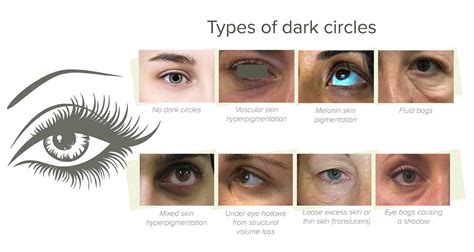
Hereditary factors play a significant role. Periorbital hyperpigmentation, a genetic predisposition to darker skin pigment under the eyes, can lead to circles that may be present from childhood.
Allergies
Allergies, particularly seasonal ones, can cause inflammation in the sinuses. This leads to swollen blood vessels that dilate and darken the veins in the under-eye area, a condition often referred to as "allergic shiners." Rubbing itchy eyes can further exacerbate the appearance of these circles.
Lack of Sleep and Eyestrain
Insufficient sleep causes blood vessels around the eyes to dilate, making dark circles more prominent. Similarly, prolonged screen time or other activities causing eyestrain can lead to vessel dilation and a more noticeable dark hue.
Aging
As we age, the skin naturally loses collagen and elastin, becoming thinner and more translucent. This allows the underlying vascular structures to become more visible. Additionally, fat loss around the eyes can create hollows that cast shadows, contributing to the appearance of dark circles.
Proper Application Techniques
The skin around the eyes is exceptionally delicate, requiring a gentle approach during application. It is recommended to:
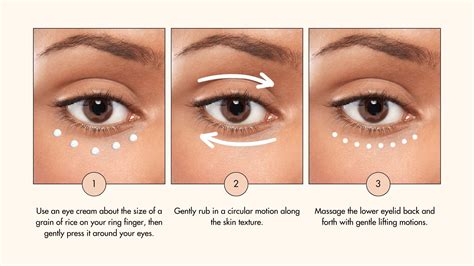
- Use your fingertip, preferably the ring finger as it applies the least pressure, to dispense a pea-sized amount of cream.
- Gently pat the cream around the eye area, avoiding any rubbing or stretching of the skin.
Some individuals also find that gently massaging the eye area can help drain excess lymph fluid, which can contribute to puffiness. Cooling the eye cream in the refrigerator before application can also promote vasoconstriction, potentially reducing fluid retention and the appearance of dark circles.
When to Incorporate Eye Cream into Your Routine
Dermatologists suggest that applying eye cream before your facial moisturizer is optimal. This ensures that the potent ingredients in the eye cream can be absorbed effectively. Cleansing the skin gently before application is also crucial.
The ideal time to start using eye cream is often considered to be in one's mid-20s, even before visible signs of aging appear, due to the delicate nature of the eye area. However, if fine lines or wrinkles are already present, starting sooner can be beneficial.
Choosing the Right Eye Cream
When selecting an eye cream, consider the specific concerns you wish to address:
- For Dark Circles: Look for ingredients like Vitamin C, Niacinamide, Vitamin K, and caffeine.
- For Puffiness: Caffeine is a key ingredient known to help constrict blood vessels and reduce swelling.
- For Anti-Aging: Retinol and peptides are beneficial for stimulating collagen production and improving skin firmness.
- For Hydration: Hyaluronic acid is essential for plumping the skin and maintaining moisture.
It's important to note that retinoids and Vitamin C can sometimes cause sensitivity or irritation when used together, so it's advisable to introduce them carefully or use them at different times of the day.
Medical Treatments for Severe Cases
For more persistent or severe cases of dark circles and under-eye bags, several medical treatments may be considered:
- Chemical Peels: To reduce pigmentation.
- Laser Surgery: To resurface the skin and improve its texture and tightness.
- Medical Tattoos: To inject pigment into areas of thinning skin.
- Tissue Fillers: To conceal blood vessels and melanin that cause discoloration.
- Surgical Procedures: Such as excess fat and skin removal or the implantation of fat or synthetic products to create a smoother, more even surface.
Consulting with a dermatologist is the recommended first step before opting for any cosmetic procedure.
Frequently Asked Questions About Eye Cream
What is eye cream and how does it work?
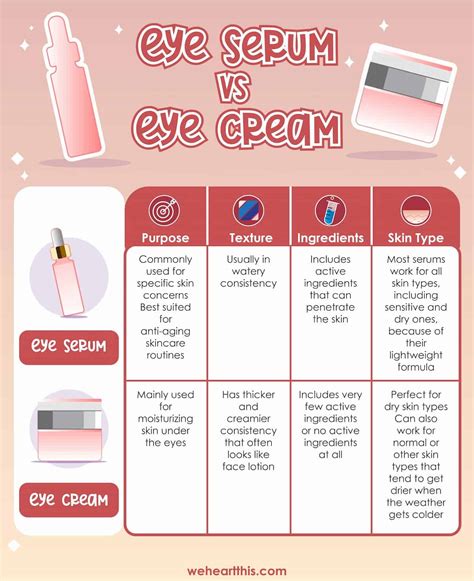
Eye cream is a specialized skincare product designed to address concerns around the delicate eye area, such as dark circles, puffiness, fine lines, and wrinkles. It works by hydrating and nourishing the skin, often containing targeted ingredients like retinol, peptides, hyaluronic acid, vitamin C, and caffeine.
Can eye cream eliminate dark circles or wrinkles?
While eye creams can help lighten and brighten the skin under the eyes, and reduce the appearance of fine lines and wrinkles with ingredients like retinol, they typically do not eliminate these concerns completely or permanently. They are best used to minimize their appearance and improve overall skin health.
Is eye cream necessary?
Not everyone requires a dedicated eye cream, but it can be highly beneficial for individuals with specific under-eye concerns or those seeking extra hydration and targeted treatment for this delicate area. Eye creams are formulated differently from regular moisturizers, often with higher concentrations of active ingredients suited for the thinner skin around the eyes.
How often should I use eye cream?
For optimal results, eye cream should generally be applied twice a day, in the morning and evening, as part of a consistent skincare routine. Avoid reapplying the same product multiple times within a 12-hour period.
Are there any side effects?
Some ingredients in eye creams, particularly potent ones like retinoids, can cause irritation, redness, or itching in sensitive individuals. It is advisable to perform a patch test before regular use and discontinue use if significant irritation occurs.