Peptides are short-chain amino acids that act like tiny messengers for your skin. They occur naturally in the body and signal to your skin to produce collagen, repair damage, and maintain firmness and elasticity.
Some peptides can be naturally derived from sources such as plants, milk, or silk, while others are synthetically produced in labs. Most skin care products contain the latter.
Different peptides target different concerns; they may support collagen production, deliver essential minerals, protect structural proteins from breakdown, or relax facial muscles to reduce expression lines. In essence, they help your skin stay healthy and youthful-looking.
What Are Peptides in Skincare?
Peptides help signal the skin to produce more collagen and other proteins that support its health. In skincare, they may help improve firmness, strengthen the skin barrier, reduce inflammation, and soften the appearance of fine lines.
Peptides are small chains of amino acids that act as messengers for your skin, signaling it to produce vital proteins like collagen and elastin. Different types of peptides offer a range of benefits, from reducing fine lines to protecting against environmental damage.
Types of Peptides
There are four main types of topical peptides that target different concerns:
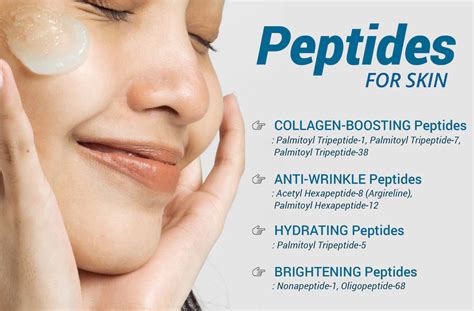
- Signal peptides: These peptides help trigger the skin to repair itself, most commonly by boosting collagen production.
- Enzyme inhibitor peptides: These peptides help prevent the breakdown of collagen and other proteins.
- Carrier peptides: These peptides deliver trace elements, such as copper, that are essential for wound healing and enzyme function.
- Neurotransmitter-inhibiting peptides: These peptides work by blocking the release of neurotransmitters that cause muscles to contract, which can lead to expression lines.
There isn’t a single best peptide for the skin, as different peptides serve different purposes in skincare. However, some peptides commonly used in skincare include:
- Copper peptides
- Matrixyl (Palmitoyl Pentapeptide-4)
- Argireline (Acetyl Hexapeptide-8)
- Palmitoyl Tripeptide-1
- Palmitoyl Tetrapeptide-7
These peptides help boost collagen production, improve skin firmness, reduce wrinkles, lessen inflammation, and support skin repair. Some skincare products combine several peptides to target multiple concerns at once.
Benefits of Using Peptides in Skincare
Peptides can support several aspects of skin health, particularly when used consistently as part of a skincare routine. Potential benefits include:
- Upholding the skin’s natural repair processes
- Supporting collagen production
- Reducing the appearance of fine lines and wrinkles
- Strengthening the skin barrier
- Improving skin texture and elasticity
How to Incorporate Peptides into Your Skincare Routine
Peptides generally work well with most skincare ingredients. However, certain products may lose effectiveness if used together.
For example, highly acidic ingredients, such as strong exfoliating acids (AHAs and BHAs) or low‑pH vitamin C formulas, may make peptides work less effectively when layered directly together. This doesn’t mean you can’t use these ingredients altogether. Many people simply apply them at different times of day, for example, using vitamin C in the morning and peptides at night.
Using Peptides with Retinol
Yes, you can use copper peptides with retinol, but it’s usually best to apply them at different times in your routine to reduce the risk of irritation and help each ingredient work effectively.
Collagen Peptides
Collagen peptides are small chains of amino acids derived from collagen, the protein found in skin, bones, and connective tissue. Because they are broken down into smaller pieces, they’re easier for the body to absorb. They’re commonly taken as supplements or used in topical products to support skin and joint health.
Choosing the Right Peptide Products
For optimal results, look for products that combine multiple peptides with complementary ingredients like hyaluronic acid or niacinamide, and choose formulas that are easy to absorb.
We chose these peptide skincare products by consulting dermatologists, who helped us select a range of products to address different skin concerns, all with effective, safe ingredients. We consider customer reviews and professional recommendations to narrow our picks to the most reliable and widely loved products currently available. Each product is vetted by our team for medical and business standards.
Are Expensive Peptides Worth It? Dermatologist Explains Collagen Truth
Are Peptides Safe for Skin?
Yes, peptides are generally safe for skin and are well tolerated by most skin types. They are commonly used in serums and moisturizers and are considered gentle ingredients. However, as with any skincare ingredient, some people may experience irritation, so patch testing a new product is recommended.