As we age, our bodies naturally produce less collagen. This decline can lead to various signs of aging, including fine lines and wrinkles, joint pain, slower healing processes, and brittle hair and nails. Collagen is a primary structural protein essential for supporting these bodily functions.
This guide delves into marine collagen, a widely recognized collagen supplement. Marine collagen is a protein abundant in marine organisms, typically extracted from the skin and scales of fish. It is often favored over bovine (beef) and porcine (pork) collagen due to its metabolic compatibility and the absence of risk from animal pathogens.

Sources and Types of Marine Collagen
Marine collagen can be sourced from various marine life, including fish, jellyfish, sponges, and other invertebrates, all of which produce significant amounts of collagen. Fish skin is the most common source for extracting Type I collagen. This is because Type I collagen is the most abundant type in the human body, providing support to most tissues, including muscles and skin.
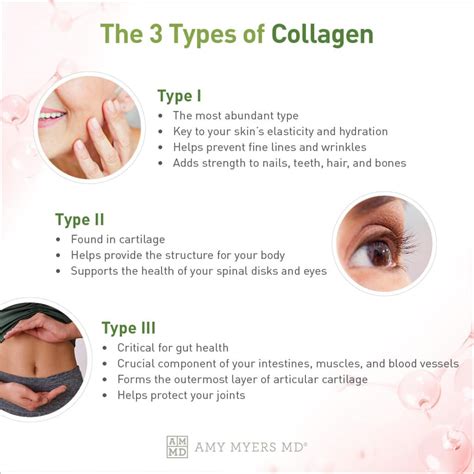
While 28 variants of collagen have been identified in the body, the three main types are:
- Collagen Type I: The most common type, found in skin, tendons, and bone tissue.
- Collagen Type II: Found in cartilage.
- Collagen Type III: Found in muscles and blood vessel walls.
Marine collagen is predominantly Type I, aligning with the most abundant collagen in the human body. This makes it particularly beneficial for skin, tendons, ligaments, cartilage, and bone. It also plays a role in muscle tissue, helping transmit force through connective tissues that link muscle fibers to tendons.
Marine Collagen vs. Other Collagen Types
Collagen production begins to slow down gradually between the ages of 25 and 30. This age-related collagen loss leads many individuals to seek collagen supplements. While bovine collagen is derived from cows, marine collagen originates from marine sources, typically the skin, bones, or scales of fish.
Scientific reviews suggest that marine collagen may be more effective than bovine collagen. One review highlighted that "marine collagen sources are significantly more advantageous than land animal sources," noting its promising anti-aging effects on skin elasticity and wrinkle reduction, as well as its impact on osteoporosis prevention and treatment by increasing bone density.
A key advantage of marine collagen is its bioavailability. It is better absorbed by the body due to its smaller molecular size compared to other forms like bovine collagen. This smaller size makes it easier for the body to absorb and utilize. Marine collagen is also rich in glycine, proline, and hydroxyproline-amino acids crucial for skin elasticity, hydration, and strength.
Bovine collagen typically contains Types I and III, while chicken collagen is primarily Type II, relevant to cartilage. Marine collagen, being almost exclusively Type I, tends to have a smaller peptide size, which may support quicker absorption, although its real-world impact is still being studied.
Hydrolyzed Marine Collagen
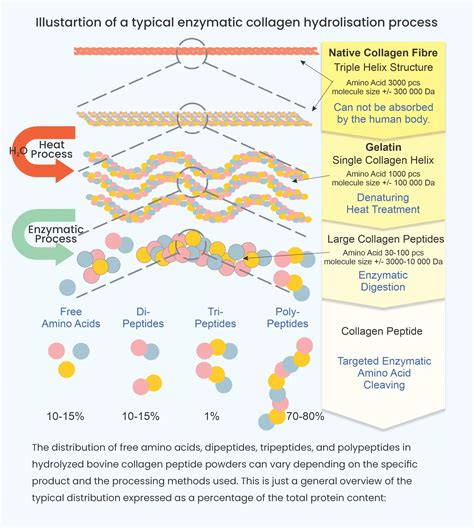
Hydrolyzed marine collagen undergoes a process called enzymatic hydrolysis, which breaks it down into even smaller particles known as collagen peptides. These peptides are more readily absorbed by the intestines and can enter the bloodstream with a high absorption rate.
Hydrolyzed collagen is considered more effective than collagen products made solely from glycine, proline, and hydroxyproline, as these three amino acids alone do not form a complete collagen molecule. A complete molecule is necessary for the body to effectively absorb and transport collagen to the extracellular matrix.
Skin and Body Benefits of Marine Collagen
Collagen, along with elastin, hyaluronic acid, and other glycosaminoglycans, forms the extracellular matrix that provides skin with firmness, tone, and elasticity. Collagen is the most abundant protein in the body, making up approximately 80% of the skin.
While research on marine collagen's benefits is ongoing, it provides concentrated amounts of glycine and proline, essential for synthesizing and repairing ligaments, tendons, and skin. It may offer targeted support for those recovering from soft tissue injuries or dealing with joint issues, especially when combined with exercise. Some evidence also points to improvements in skin elasticity and hydration with regular use.
Additional potential benefits of marine collagen include:
- Antioxidant properties: Protects against free radicals, contributing to an anti-aging effect.
- Fibroblast stimulation: Aids in rebuilding damaged collagen fibers.
- Tissue support: Supports tissues, muscles, and tendons.
- Wound healing: May facilitate the healing process.
- Skeletal health: Helps strengthen the skeletal system, bones, and cartilage.
How do you Build Collagen in the Skin | 3D Graphic | Ensoul Medical Clinic
Contraindications and Precautions
Marine collagen is not suitable for vegetarians and vegans as it is derived from animals. Individuals with fish or seafood allergies should also refrain from using it.
It is crucial to choose products from reliable sources that are tested for purity. Seafood can accumulate heavy metals like mercury, lead, and arsenic if sourced from polluted waters. Collagen derived from fish bones or mixed animal parts may carry higher levels of these metals. It is recommended to opt for collagen sourced from fish skin rather than bones and ensure it is third-party tested for heavy metals.
Dosage and Maximizing Benefits
While collagen supplements vary in potency and dosage, clinical reviews suggest that taking 2.5-15 grams of hydrolyzed collagen peptides daily is generally effective. Some experts recommend at least 5,000mg (5g) per serving to notice benefits.
Daily collagen supplementation can help replenish natural collagen levels, which decline with age, impacting the health and appearance of skin, hair, nails, joints, and bones.
To enhance the potential impact of marine collagen, consider combining it with other supplements:
- Vitamin C: Essential for collagen synthesis; without adequate Vitamin C, the process can be compromised.
- Complete Protein (e.g., Whey): Emerging research suggests hydrolyzed collagen may work better when paired with a complete protein. Whey supports muscle growth, while collagen provides structural amino acids for tendons and ligaments. This combination supports both muscle protein synthesis and tissue resilience.
For targeted soft tissue support, studies suggest taking up to 15 grams of hydrolyzed collagen with Vitamin C, particularly around exercise sessions that stress joints and tendons. For broader recovery and rebuilding, combining around 5 grams of hydrolyzed collagen with about 25 grams of high-quality protein near a workout may be more effective.
Vegan and Vegetarian Alternatives
There are no vegan or vegetarian collagen supplements. However, supplements containing astragalus or fulvic acid may improve collagen synthesis. Foods like goji berries and aloe vera also contain collagen-like proteins.
A nutritionally balanced diet rich in fruits, vegetables, and plant-based protein foods can help boost the body's natural collagen production.
Duration of Results
Collagen turnover is a slow process. Most studies assess collagen’s effects on skin health and joint pain relief over a minimum of 8 weeks, while studies on bone health may extend to 12 months.
Safety and Potential Risks
Collagen supplements are generally well-tolerated with few reported side effects. However, they are often derived from common food allergens like fish, shellfish, and eggs, so individuals with allergies to these should exercise caution.
Some individuals report nausea, bloating, or heartburn, though research has not consistently confirmed these as side effects. It's important to note that collagen contains hydroxyproline, an amino acid that converts to oxalate in the body. Excessive oxalate can contribute to kidney stones, so individuals with kidney stone risks may want to consult a healthcare professional.
Collagen can be found in or derived from animal products such as gelatin, bone broth, connective tissues of animals, chicken skin, pork skin, beef, and fish. Vitamin C is critical for collagen synthesis, and foods rich in Vitamin C include citrus fruits and strawberries.