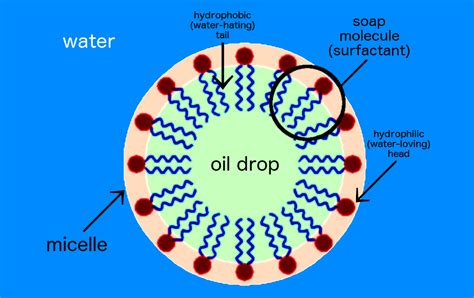
Say goodbye to frustrating blemish breakouts and say hello to clear skin with our Refining Foam Cleanser. This Melaleuca-exclusive formula is designed to cleanse away debris and oil buildup on your skin, working towards a refined complexion. It's the key to unlocking a clear, confident appearance.
How to Use
To achieve the best results, follow these simple steps:
- Wet face.
- Pump dispenser 2-3 times onto palms of hands.
- Massage onto the face, avoiding the eye area.
- Rinse thoroughly.
- Pat dry.
Usage Recommendations
For optimal results, use as needed. If bothersome peeling or dryness occurs, reduce application to once a day or every other day.
Key Ingredients and Their Benefits
Niacinamide (Vitamin B3)
Also known as vitamin B3, this water-soluble ingredient helps renew skin, protecting it against moisture loss and dehydration. It contributes to a healthier, more resilient skin barrier.
Salicylic Acid
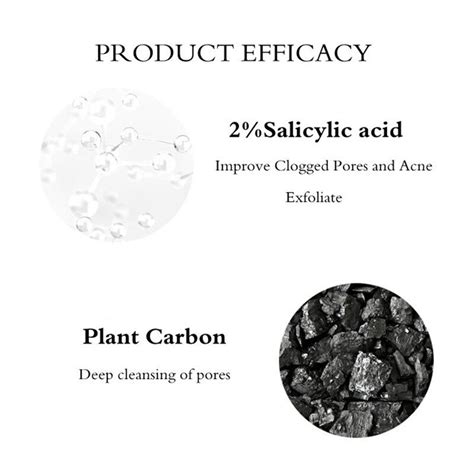
This is one of the gold standard ingredients for treating problem skin. Salicylic acid is a beta-hydroxy acid (BHA) that works by exfoliating the skin and clearing pore congestion. It penetrates oil to dissolve dead skin cells and debris, helping to unclog pores and reduce breakouts.
Sodium PCA
PCA stands for Pyrrolidone Carboxylic Acid. Though it might not sound like it, it is a substance that can be found naturally in our skin. It functions as a humectant, meaning it attracts and retains moisture, helping to keep the skin hydrated and supple. It is also a mild and non-drying cleanser that gives skin a nice and soft after-feel.
Aloe Vera
Aloe Vera, in the form of a spray-dried or freeze-dried powder derived from Aloe Leaf Juice, offers similar soothing, emollient, and moisturizing properties to its liquid form. It helps to calm the skin, reduce redness, and provide essential hydration.
Melaleuca Oil (Tea Tree Oil)
The famous tea tree oil, also known as Melaleuca oil, is one of the best-known essential oils. Originating from Australia, it has been used for almost 100 years for its antiseptic and anti-inflammatory actions. Regarding skincare, its most well-known effect is being a well-established anti-acne ingredient. Multiple studies confirm that TTO is effective against the acne-causing bacteria called P. acnes. Its unique antibacterial and anti-acne properties, with minimal allergen content, make it a standout ingredient. However, it is advised to be careful with sensitive skin and never apply undiluted TTO directly to the skin.
The Potential of Tea Tree Oil: 6 Powerful Benefits and Uses
Water (Aqua)
Good old water, aka H2O, is the most common skincare ingredient. In cosmetics, the water used is purified and deionized, meaning that almost all mineral ions inside it have been removed. It serves as the primary solvent for other ingredients in the formula.
Myristic Acid
A common multi-tasker fatty acid. Myristic acid is a 14-carbon length fatty acid that can be naturally found in nutmeg, palm kernel oil, coconut oil, and butter fat. It's used as a foam-building cleansing agent and is a very alkaline substance that helps to set the pH of the cosmetic formula appropriately.
Lauric Acid
A 12-carbon length fatty acid that can be found naturally in coconut milk, coconut oil, laurel oil, and palm kernel oil. As a skincare ingredient, it can be used as an emulsifier or as a cleansing agent. There is emerging research about lauric acid being a good anti-acne ingredient, with studies showing its effectiveness against P. acnes growth.
Palmitic Acid
A fatty acid that can be found naturally in the skin. In skincare, it can make the skin feel nice and smooth in moisturizers (emollient) or it can act as a foam-building cleansing agent in cleansers.
Stearic Acid
A clear, colorless liquid that works as a solvent and viscosity-decreasing ingredient. It also has great skin-moisturizing abilities.
Glycerin
A clear, light yellow, water-loving oil that comes from coconut/palm kernel oil and glycerin. It is a humectant, meaning it attracts water to the skin, helping to keep it hydrated.
Glyceryl Stearate SE
A glycerin-derived gentle cleansing agent that is described as being skin and eye-friendly, and not leaving the skin dry or tight. Chemically speaking, it is the attachment of a glycerin molecule to the fatty acid called stearic acid. It is readily biodegradable and occurs naturally in our body. It's often paired with glyceryl stearate to form an effective emulsifier duo.
Sodium Cocoyl Isethionate
A vegetable-origin (coconut/palm kernel oil, glucose) cleansing agent that gives moderate to high stable foam. It is a mild cleanser that is claimed to be gentle on the skin and does not significantly impact the skin barrier, providing a rich, creamy foam. It is especially popular in "syndet bars" (soapless soaps).
Butylene Glycol (BG)
Butylene glycol, or BG, is a multi-tasking colorless, syrupy liquid. It serves as a solvent for other ingredients, helps products absorb faster and deeper into the skin (penetration enhancer), makes the product spread nicely (slip agent), and attracts water to the skin (humectant). Its safety is well-established, and it is approved by Ecocert, often used in natural products.
Rosa Damascena Flower Water (Rose Hydrosol)
Also known as Damask Rose Flower Water or Rose Hydrosol, this is the flower water coming from the flowers of the Damask Rose. Similar to rose oil, rose water has a lovely, relaxing scent and is believed to have soothing properties.
Caprylic/Capric Triglyceride
A multi-functional, silky-feeling helper ingredient that can act as an emulsion stabilizer, solvent, and a broad-spectrum antimicrobial. According to manufacturer information, it is also a moisturizer and improves the product's feel on the skin.
Oleic Acid
A common fatty acid found in many plant oils. In its free form, it mostly serves as an emulsifier or emulsion stabilizer in cosmetic products.
Glyceryl Caprylate
A multi-functional helper ingredient that can bring a soft and pleasant feel to the formula, act as a humectant and emollient, serve as a solvent for some ingredients, and disperse pigments more evenly. It can also boost the antimicrobial activity of preservatives.
Centella Asiatica Extract (Cica/Gotu Kola)
Centella Asiatica, also known as Gotu Kola or Cica, has been used in folk medicine for centuries. Science has confirmed its benefits, with active compounds like asiaticoside and madecassoside that stimulate the synthesis of glycosaminoglycans (GAGs) and hyaluronic acid. It has proven wound healing, anti-inflammatory, and antioxidant properties.
Honey Extract
Usually a glycerin or glycol-based extract of honey, it possesses similar properties to pure honey, such as being anti-irritant and anti-itch.
SymCalmin
An anti-irritant and anti-itch molecule that copies the active ingredient (Avenanthramides) found in oats. It has been shown to significantly reduce itchiness and redness.
Citric Acid
Citric acid comes from citrus fruits and is an AHA (alpha-hydroxy acid). While it offers some skin-improving benefits, studies suggest it may have less potent effects compared to glycolic or lactic acid.
Phenoxyethanol
This is a preservative that helps to keep cosmetic products from spoiling. It is pH-dependent, working best at acidic pH levels. It is considered safe, gentle, and is a popular alternative to parabens. It can be found in nature (in green tea) but the version used in cosmetics is synthetic. It has great thermal stability and works on a wide range of pH levels. It is often used with ethylhexylglycerin to improve its preservative activity.
Potassium Sorbate
A preservative that works mainly against mold and yeast. It needs to break down to its active form, sorbic acid, which requires water and a specific pH value. It is often used in conjunction with other preservatives for broader protection.
Ascorbyl Palmitate
A form of vitamin C. While vitamin C is beneficial for skin, ascorbyl palmitate is considered one of the less stable derivatives. Studies question its ability to convert into pure vitamin C in the skin and its potential to promote lipid peroxidation and cytotoxicity under UV exposure.
Ethylhexylglycerin
Often found alongside phenoxyethanol, this ingredient is used to enhance the preservative efficacy of other ingredients and can also act as a skin-conditioning agent.
Limonene
A common fragrance ingredient derived from citrus fruit peel oil. While it has a pleasant smell, it can oxidize on air exposure, potentially causing allergic contact dermatitis and acting as a skin sensitizer. It may also enhance the penetration of other ingredients.
Linalool
A very common fragrance ingredient found in both plants and cosmetics. Similar to limonene, it can oxidize on air exposure and become allergenic, making older products containing linalool more likely to cause reactions.
Geraniol
A common fragrance ingredient that, like other similar fragrance compounds, can oxidize on air exposure and become allergenic.
Citronellol
A common fragrance ingredient that smells like jasmine. It is one of the "EU 26 fragrances" that must be labelled separately due to its allergen potential.
Disodium Cocoamphodiacetate
A soft, mild cleansing agent with an amphoteric structure, meaning its head contains both positively and negatively charged parts. This contributes to a gentle cleansing experience.
Fragrance
The generic term for pleasant-smelling substances added to cosmetic products. If you prefer to know exactly what you are putting on your face, or if you have sensitive skin, fragrance can be a concern as it is a common cause of contact allergies.
PEG-150 Distearate
A small polymer molecule created from repeated units of Polyethylene glycol (PEG). It is used as a solubilizer and viscosity control agent, helping to bind and thicken the formula.
Cocamidopropyl Betaine
A versatile and biodegradable cleansing agent known for its high cleaning power and strong foaming properties.
Potassium Hydroxide
A helper ingredient used to adjust the pH of the product to the desired level.
Cucumber Extract
A nice, non-irritating plant extract known for its soothing and emollient properties. It contains amino acids and organic acids that are beneficial for the skin's acid mantle.