Microneedling is a skin care technique that involves pricking the skin with tiny needles to improve its appearance. While the idea of being pricked by needles might sound unusual, this minimally invasive procedure has gained popularity for its ability to address various skin concerns, from scarring to fine lines and wrinkles.
Understanding Microneedling Products
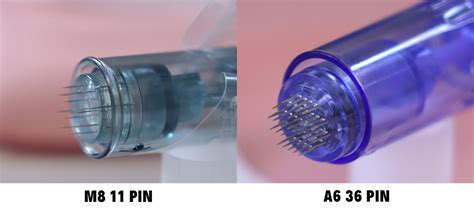
Microneedling products share a common feature: they are equipped with numerous small, thin needles. These needles can be configured in different ways:
- Attached to a cylinder and rolled across the skin (dermal rollers).
- Affixed to a flat surface and stamped into the skin.
- Arranged in a pattern on the tip of a pen-shaped instrument.
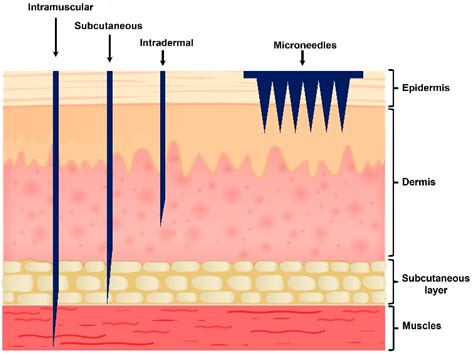
The length of the needles varies. Some products have very short needles that only reach the outermost layer of the skin, composed mainly of dead skin cells. In contrast, longer needles penetrate deeper into the skin, reaching layers containing living cells, nerves, and blood vessels. These products can be manual, operated by hand, or motorized, with a mechanism that moves the needles.
FDA Regulation of Microneedling Devices
The U.S. Food and Drug Administration (FDA) regulates microneedling products that are considered medical devices to ensure their safety and efficacy. However, not all microneedling products fall under this category.
Microneedling Products Regulated as Medical Devices
The FDA has cleared specific microneedling devices for use in patients aged 22 and older to improve the appearance of:
- Facial acne scars
- Facial wrinkles
- Abdominal scars
Most of these cleared devices are motorized and pen-shaped. They penetrate the skin to alter the structure or function of the underlying tissue. Due to their potential to reach nerves, blood vessels, and other sensitive parts of the skin, the FDA strongly recommends seeking treatment from a healthcare provider with specialized training in microneedling. It is important to note that the FDA has not authorized any microneedling medical devices for over-the-counter sale.
Microneedling Products Not Regulated as Medical Devices
Products that do not have long or sharp needles capable of penetrating the skin, and that only claim to facilitate exfoliation or improve skin appearance, are generally not considered medical devices regulated by the FDA. An example would be a dermal roller with short, blunt needles that claims to help remove dead skin and smooth or brighten the skin. These types of products are more commonly sold for at-home use.
Benefits of Microneedling Devices
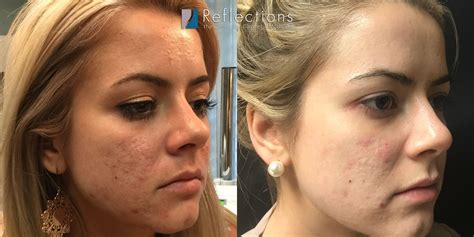
For individuals aged 22 and older, FDA-cleared microneedling devices offer improvements in the appearance of:
- Acne scars on the face
- Wrinkles around the eyes, face, and neck
- Surgical scars on the abdomen
Risks Associated with Microneedling Devices
Microneedling devices carry the potential for both short-term and long-term side effects. Common risks include:
- Skin damage: This can manifest as bleeding, bruising, redness, tightness, itching, and peeling, which typically resolve within a few days or weeks without specific treatment.
Less common risks include:
- Stinging or itching when applying cosmetics or other skin care products.
- Development of dark or light spots on the skin.
- Facial lines.
- Flare-ups of cold sores.
- Swollen lymph nodes.
- Infection.
It is also important to be aware that microneedling may not always yield the desired aesthetic outcome, and multiple procedures might be necessary to achieve satisfactory results. Furthermore, any improvements in appearance may be temporary, requiring ongoing maintenance procedures over time.
Safety Considerations Before Microneedling
Microneedling is not suitable for everyone, making a consultation with a healthcare provider essential. Key safety considerations include:
Pre-Procedure Preparations and Precautions
- Numbing Medication: Topical anesthesia is typically applied to reduce pain during the procedure. Inform your provider of any allergies or sensitivities to numbing medications.
- Bleeding Disorders: Microneedling can cause bleeding, so it may not be appropriate for individuals with clotting or bleeding disorders, or those taking blood-thinning medication.
- Skin Conditions: It is advisable to avoid microneedling if you have conditions that affect your skin, such as eczema or diabetes, or if you have a weakened immune system.
Hygiene and Device Sterilization
It is crucial to inquire about how the microneedling device is cleaned between patients. Devices with reusable parts must be cleaned and disinfected according to the manufacturer's instructions. Ask if a new needle cartridge is used for each patient and for each treatment session with the same patient, as re-using cartridges can lead to infection or its spread.
Aftercare Instructions
Discuss with your healthcare provider how to care for your skin post-procedure. Your skin may be more sensitive to the sun and certain skin care products, including moisturizers, sunscreen, makeup, and products containing retinol, glycolic acid, menthol, capsaicin, or alcohol.
For at-home microneedling products, clean them between uses as directed by the manufacturer. Avoid sharing these products with others to prevent the possible spread of infection or disease.
Microneedling: 5 Tips You MUST Know BEFORE & AFTER | Doctorly + Esthetician
Microneedling with Radiofrequency (RF) Energy
Some microneedling devices incorporate radiofrequency (RF) energy, delivering heat into and under the skin. These RF microneedling devices are used for treatments such as reducing facial wrinkles. However, they come with different risks due to their distinct mechanism of action.
Potential Risks of RF Microneedling
The FDA has alerted consumers, patients, and healthcare providers to serious complications reported with certain uses of RF microneedling devices. These complications include burns, scarring, fat loss, disfigurement, and nerve damage, some of which may require surgical repair or medical intervention. The FDA emphasizes that RF microneedling is a medical procedure and should not be used at home.
Other Considerations and Emerging Uses
Hair Loss Treatment
While microneedling is being explored for its potential in combating hair loss, the FDA has not cleared any microneedling devices for this specific use. Clinical studies are ongoing in this area.
Combination Therapies
Microneedling is sometimes used in conjunction with creams, ointments, other drugs, cosmetics, or platelet-rich plasma (PRP). The FDA has not cleared any microneedling devices for use with other products, meaning the safety and effectiveness of such combinations have not been reviewed by the agency.
Comparison with Laser Therapy
Microneedling is often considered a less expensive alternative to laser therapy and may be more suitable for individuals with darker skin tones. Laser treatments utilize heat, which can affect skin pigmentation, posing potential safety concerns for darker skin. Research on the effectiveness and safety of laser treatments on darker skin tones is still evolving.
The Microneedling Process
Before the Procedure
The process begins with a consultation with a healthcare provider, such as a dermatologist, plastic surgeon, or aesthetician. They will examine your skin, review your health history, and discuss your goals. Photos may be taken for before-and-after comparisons. This is an opportune time to ask questions about potential risks, pain levels, expected results, downtime, and the number of treatments required.
Approximately one month before treatment, your provider may recommend applying vitamin A or C creams to initiate collagen production.
During the Procedure
Your skin will be cleansed, and a numbing cream or ointment, such as lidocaine gel, will be applied about 30 to 45 minutes prior to the procedure to ensure adequate numbing. A healthcare provider will then use a handheld roller or an electric tool with tiny, sterilized needles to create micro-wounds in the skin. The needle length can be adjusted, with longer needles penetrating deeper for conditions like deep scars. During the procedure, you might feel warmth or a scratching sensation. Discomfort may be felt near bony areas. Deep microneedling might cause minor bleeding. The procedure duration can range from 15 minutes to a few hours, depending on the treatment area's size.
After the Procedure
Microneedling is an outpatient procedure, allowing you to return home afterward. Redness and swelling may persist for up to five days, and an ice pack can help alleviate irritation and discomfort. Your skin will be more sensitive to the sun, necessitating the use of sunscreen. It is generally recommended to avoid sun exposure and harsh chemicals for about a week. Your skin will begin its rejuvenation process, producing new tissue. Results may become apparent within a couple of weeks, though multiple sessions or complementary treatments are often needed for sustained results. Your doctor will develop a personalized plan to achieve your goals.
Optimal Skin Care After Microneedling
During the first week of recovery, it is advisable to avoid:
- Sun exposure
- Skincare products with alpha-hydroxy acids and retinol
- Makeup
- Sweating
To aid skin healing, you can consider:
- Staying hydrated
- Using an antioxidant serum
- Applying a cooling mask
- Using collagen-stimulating peptides
Professional vs. At-Home Microneedling
Professional microneedling is performed in a doctor's office by trained professionals. At-home derma rollers typically do not puncture the skin deeply enough to induce the same level of skin rejuvenation as professional treatments, according to the American Academy of Dermatology Association (AAD). While medical-grade devices can be purchased online for deeper penetration, it is best to have this treatment performed by a professional in a controlled environment to avoid potential consequences like permanent scarring.
Efficacy and Longevity of Results
Microneedling is effective for treating minor scarring related to acne, general scars, stretch marks, and maturing skin, often resulting in brighter, firmer skin. Optimal results are typically achieved after multiple sessions and may require a long-term maintenance plan. The skin may continue increased collagen production for 3 to 6 months post-treatment.
Duration of Results
Results can vary based on the severity and location of the skin concern, as well as the treatment plan. A doctor may recommend four to six treatment sessions. Derma roller results are not permanent, and more frequent use may be necessary to maintain results compared to professional microneedling.
Microneedling for Acne Scars
Treatment plans are individualized, but research indicates mild improvement in post-acne scarring after just two microneedling sessions. Moderate improvement in skin texture and significant enhancement in scar appearance were observed after six sessions.
Contraindications for Microneedling
Microneedling is not suitable for everyone. You may not be an ideal candidate if you:
- Have certain skin conditions, such as psoriasis or eczema.
- Have open wounds or active acne.
- Have recently undergone radiation therapy.
- Have a history of keloid scarring.
Pregnant individuals should consult with their obstetrician or gynecologist before undergoing treatment.
Isotretinoin (Accutane) and Microneedling
It is not recommended to undergo microneedling while taking isotretinoin (Accutane), as it may increase the risk of scarring. It is advised to wait at least 6 months after stopping the medication before commencing microneedling treatment.
Microneedling vs. Other Treatments
Microneedling vs. Botox
Microneedling and Botox serve different purposes. Microneedling addresses scars, hyperpigmentation, and large pores by stimulating collagen production, while Botox is primarily used to relax muscles and reduce dynamic wrinkles.
Cost of Microneedling
The cost of microneedling can range from $200 to $800 per session, depending on the treatment area, the number of sessions required, and the professional's rates. Since microneedling is generally considered a cosmetic procedure, it is usually not covered by insurance, unless deemed medically necessary by a doctor, which is rare. Some clinics may offer financing options to make treatments more affordable.
tags: #microneedling #with #heat