BroadBand Light (BBL), also known as Intense Pulsed Light (IPL) or photo rejuvenation, is a non-invasive treatment that utilizes broad-spectrum visible and infrared light energy to penetrate the skin. This process aims to regenerate skin cells and enhance overall skin health. It is important to note that BBL is not a laser treatment.
The number of treatments required to achieve desired outcomes varies depending on the specific concerns being addressed. For conditions like brown spots, a series of three to four treatments spaced four weeks apart is typically recommended. If the treatment is focused on redness, such as in cases of rosacea, ongoing treatments may be suggested to help manage the condition. For acne, six to eight treatments are generally recommended, with sessions scheduled one to two weeks apart.
Maintaining the results achieved with BBL treatments is best accomplished by incorporating a consistent, quality skincare regimen and limiting sun exposure. During an in-depth consultation, a thorough discussion will cover how to best care for your skin before, during, and after your treatment to ensure optimal results.
Investing in your skin's health involves using quality skincare products, avoiding peak hour sun exposure, and adopting good lifestyle choices. BBL Photofacial (Broadband Light) is a non-invasive treatment that uses light energy to rejuvenate the skin, effectively targeting concerns such as aging, acne, and pigmentation.
What Happens During a BBL Photofacial?
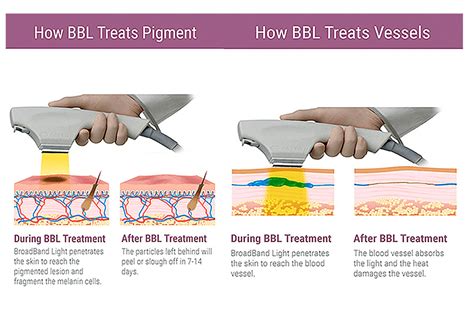
A BBL Photofacial operates by directing precise light pulses onto the skin. These pulses are designed to target pigment and blood vessels located beneath the skin's surface. The treatment works to improve overall skin tone, texture, and clarity, while also stimulating collagen production to aid in the skin's natural healing and regeneration processes.
Most BBL sessions typically last between 20 to 30 minutes, depending on the size of the treatment area. During the procedure, patients may feel mild sensations, often described as light snaps against the skin. Following the treatment, some temporary redness, akin to a mild sunburn, may be noticeable. This redness usually fades within a few hours, and the skin's results continue to improve over time. A significant advantage of BBL is that there is no downtime, allowing individuals to return to their regular activities immediately after the session.
How BBL Transforms the Skin
BBL utilizes light energy to address a variety of skin issues, leading to significant transformations:
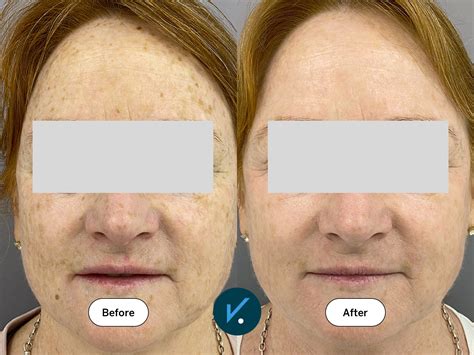
- Reduces Sun Damage: Light energy effectively breaks down pigmentation associated with sunspots, freckles, and general uneven skin tone.
- Improves Skin Texture: The treatment stimulates collagen production, which helps to reduce the appearance of fine lines, wrinkles, and rough skin texture.
- Shrinks Large Pores: By clearing debris from pores, BBL can make them appear smaller and more refined.
- Clears Acne: BBL targets acne-causing bacteria, reduces inflammation, and helps to prevent future breakouts.
- Evens Skin Tone: The light energy aids in fading dark spots and balancing pigmentation, resulting in a more uniform complexion.
- Reduces Redness: BBL helps to diminish visible blood vessels and redness associated with conditions like rosacea.
- Reverses Signs of Aging: By stimulating the production of collagen and elastin, BBL contributes to firmer and smoother-looking skin.
- Enhances Skin Clarity: The treatment boosts skin radiance and clarity, promoting a healthy, glowing appearance.
- Promotes Skin Healing: BBL accelerates cell turnover, which helps in reducing blemishes and imperfections.
Why Regular BBL Photofacial Treatments Are Beneficial
While a single BBL session can yield noticeable improvements, multiple treatments are generally recommended for optimal and lasting results. A typical treatment plan involves three to five sessions, spaced approximately two to four weeks apart. For sustained results, maintenance sessions every six to 12 months are highly beneficial. Regular treatments play a crucial role in preventing the emergence of new signs of aging or skin damage, ensuring that the skin remains smooth, clear, and vibrant.
Over time, BBL consistently encourages collagen production, leading to improvements in skin texture, tone, and overall appearance. Consistency in treatment is key to achieving and maintaining these optimal results.
What to Expect After Your BBL Treatment
Following your BBL Photofacial, you may experience mild redness, similar to the sensation of a sunburn. This redness typically subsides within a few hours. In some areas, particularly those with pigmented spots, the skin might appear darker initially; however, these spots will fade as the skin regenerates. Mild peeling may occur in these areas, which is a temporary part of the healing process.
To protect your skin after treatment, it is essential to avoid direct sun exposure. Regular application of sunscreen is highly recommended. Keeping the skin hydrated with moisturizers and adhering to your doctor's aftercare instructions are also crucial for optimal recovery and results.
Who Is a Good Candidate for BBL Photofacial?
BBL Photofacial is an effective treatment for a wide range of skin types and concerns. Ideal candidates typically include individuals experiencing:
- Sun Damage: Sunspots, freckles, and general discoloration can all be significantly improved with BBL.
- Acne: Both active acne and acne scars often respond well to this treatment.
- Signs of Aging: BBL helps to diminish the appearance of fine lines and wrinkles, contributing to a more youthful look.
- Uneven Skin Tone: For those dealing with pigmentation issues such as melasma or redness, BBL can help to balance the skin's complexion.
It is important to consult with a skincare provider before beginning treatment to ensure that BBL is the right choice for your specific needs.
BBL Animation
BBL vs. IPL: Understanding the Differences
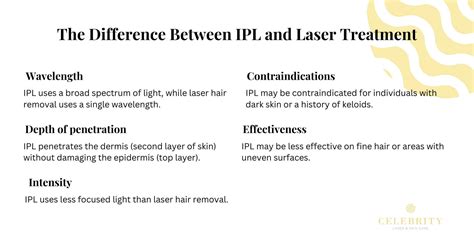
Both Intense Pulsed Light (IPL) and BroadBand Light (BBL) are non-invasive treatments used to improve skin discoloration and effectively treat sun damage. These treatments utilize either intense pulsed light or broadband light to target pigment and redness within the skin, thereby reducing unwanted discoloration and treating flushing.
What Is BBL?
BroadBand Light (BBL) photofacial is considered a more technologically advanced version of IPL. BBL technology harnesses the power of pulsed light to deliver consistently superior results among photorejuvenation treatments. It is an FDA-approved procedure ideal for treating sun damage and signs of aging, leaving the skin looking rejuvenated and healthy. BBL utilizes robust light technology to target cell pigmentation deep within the skin and features advanced cooling systems for treatment with minimal pain and side effects. This option is particularly suitable for treating conditions such as mild acne, rosacea, sun damage, and pigmentation.
What Is IPL?
IPL (Intense Pulsed Light) therapy involves a handheld device that delivers broad-spectrum light pulses into the skin. The IPL device heats the upper layers of the skin, stimulating the production of collagen and elastin. This process revitalizes the skin and imparts a natural glow. IPL works by targeting melanin and hemoglobin beneath the skin's surface, which helps to break down darker particles and reduce redness and inflammation. IPL is commonly used to treat mild acne, rosacea, sun damage, and pigmentation.
Deciding on IPL vs. BBL for Your Skin
Both IPL and BBL are recognized as effective, non-surgical methods for restoring skin health and treating conditions like rosacea. They both employ filtered light at varying wavelengths to help the skin achieve a fresh, youthful glow. Additionally, both IPL and BBL can be used on any body area, require no injections or incisions, and may necessitate multiple treatment sessions.
For individuals dealing with red and brown discoloration, both IPL and BBL are excellent options that, when administered by an experienced provider, can deliver impressive results. Successful outcomes are contingent upon expert assessment, setting realistic expectations, and understanding how light energy interacts with the skin. In skilled hands, both IPL and BBL can significantly enhance your complexion, leading to clearer, more even-toned skin.
What is a BBL Photofacial?
Our BBL (BroadBand Light) photofacial, often combined with radio frequency energy, is designed to target skin discoloration, including veins, age spots, sun damage, and uneven skin tone. The light waves effectively kill acne-causing bacteria beneath the skin, leading to fewer breakouts while simultaneously evening out skin tone. Devices like the elÅs Plus system offer unique, three-layered skin protection. This treatment is suitable for a variety of skin conditions and is generally eligible for clients with Fitzpatrick skin types 1-4. Eligibility also requires that the client is not taking antibiotics or other light-sensitizing medications and has avoided prolonged sun exposure for at least two weeks prior to the appointment to prevent skin burning.
What to Expect After a BBL Photofacial
Results can vary depending on the intensity and specific targets of the treatment. Freckles may begin to flake off in a process known as "peppering." Clients can typically expect to see noticeable improvements in their skin's tone and texture.
tags: #what #is #a #bbl #photofacial