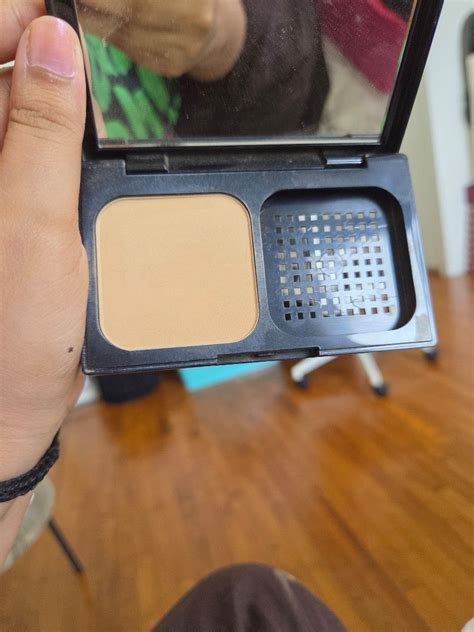
Mineral pressed powder foundations offer a unique approach to achieving a flawless complexion. These formulations are designed to mattify the skin, making them particularly beneficial for individuals with oily, acne-prone, or those who experience excessive sweating. Their primary function is to absorb excess moisture while simultaneously providing coverage that evens out the skin tone.
Key Ingredients and Their Benefits
The effectiveness of mineral pressed powder foundations often lies in their carefully selected ingredients, which work together to create a desirable finish and texture.
Core Powders for Texture and Finish
- Boron Nitride: This ingredient is known for its ability to create a smooth, even texture on the skin, contributing to a refined appearance.
- Calcium Silicate: Similar to boron nitride, calcium silicate also aids in evening out the skin's texture, providing a soft-focus effect.
- Polymethylsilsesquioxane: This powder is specifically included for its blurring properties, helping to minimize the appearance of pores and fine lines.
- Silica: Silica is another common ingredient that contributes to a matte finish and can help absorb excess oil.
The Role of Dimethicone
While not always present in every mineral pressed powder, dimethicone is a key ingredient that cosmetic chemist Ginger King highlights for its significant impact on skin appearance. "This ingredient will give skin that filter-like effect and make it look super blurred and smooth," she explains. This makes it a valuable component for achieving a flawless, airbrushed look.
Understanding Foundation Types: Powder vs. Liquid vs. Cream
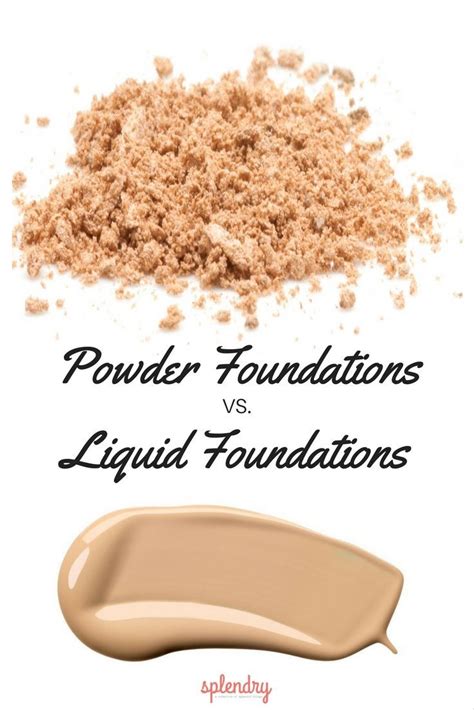
The distinction between powder, liquid, and cream foundations is primarily defined by their inherent properties and their effect on the skin's finish. Powder foundations are consistently formulated to mattify the skin. This characteristic makes them an excellent choice for those with oily, acne-prone, or sensitive skin that tends to sweat easily. They work by absorbing excess moisture while simultaneously delivering coverage to create a more even complexion.
As makeup artist Natalie Dresher notes, "While cream and liquid foundations can vary in finish, powder foundations are always matte." Furthermore, due to their oil-absorbing capabilities, makeup artists like Spickard suggest that powder foundations can effectively be used as a mattifying finishing powder layered over liquid or cream foundations.
Achieving the Right Shade Match
Selecting the correct shade of powder foundation is crucial for a natural and seamless look. Makeup artist Kasey Spickard emphasizes that understanding your skin's undertone is the first step. "You need to know where you fall on the spectrum between cool and warm," he advises.
Determining Your Undertone
A simple method to identify your undertone involves examining the veins on your wrist. If your veins appear blue, you likely have a cool undertone. If they look green, you are warm-toned. If you can see both blue and green hues, you possess a neutral undertone.
Shade Swatching Technique
Another practical tip for shade matching comes from makeup artist Natalie Dresher. She recommends swatching the foundation on your chest area using a clean finger or applicator. "If it disappears against my skin tone it is the absolute right shade," she states, indicating a perfect match.
Application Techniques for Powder Foundation
Proper application is key to maximizing the benefits of a powder foundation, ensuring a smooth, blended finish without emphasizing texture.
Skin Preparation is Essential
Before applying any powder foundation, Spickard strongly recommends prepping the skin. "Exfoliate and remove any dead skin because powder foundations grab onto texture," he advises. This step ensures that the product applies evenly and doesn't cling to dry patches.
Application Methods
Makeup artists have varying preferences for application tools and techniques:
- For Full Coverage: Spickard prefers using a dense flat-top foundation brush or a kabuki brush. The technique involves swirling the brush into the powder, tapping off any excess product, and then buffing it into the skin.
- As a Setting Powder: Dresher, who often uses powder foundations as setting powders, utilizes a small, fluffy brush. She applies light amounts of powder specifically to the under-eye area, contours, and T-zone. "This technique mattifies these areas while adding more coverage to cream and liquid complexion products," she explains.
Los Angeles-based makeup artist Jamie Greenberg highlights the importance of buffing for a seamless blend. "Powder foundations can be buffed into the skin with really any tools-a brush, sponge, or even your fingers," she says. She also notes the buildable nature of these formulas: "These formulas are really buildable, too, so feel free to pack it on for more coverage, but you probably only need one coat for a natural look."
How to Apply bareMinerals ORIGINAL Foundation | Makeup Tutorial
Shade Range and Inclusivity
A crucial factor in reviewing any foundation, including mineral pressed powder types, is the availability of a wide shade range. Brands that offer inclusive shade options ensure that consumers with all skin tones and undertones can find a suitable match.
Considerations for Different Skin Types and Needs
When evaluating a powder foundation, it's important to consider its suitability for various skin types and concerns. Factors such as:
- Sensitive Skin: Ensuring the formulation is gentle and non-irritating for those with sensitive skin.
- Contact Lens Wearers: Checking for ingredients that might cause irritation for individuals who wear contact lenses.
- Affordability: Assessing whether the product is budget-friendly or a luxury purchase.
Meet the Experts
- Kasey Spickard, a New York City-based makeup artist
- Natalie Dresher, a Miami-based makeup artist
- Robin Black, a Los Angeles-based makeup artist and photographer
- Jamie Greenberg, a Los Angeles-based makeup artist
- Ginger King, a cosmetic chemist
tags: #mineral #pressed #powder #foundation #reviews