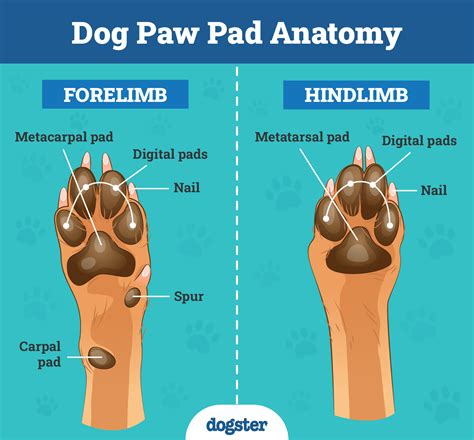
A dog's paw pads are essential for their mobility and comfort, acting as shock absorbers and protecting them from various terrains and environmental conditions. Just like human skin, dog paw pads can become dry, cracked, or damaged, impacting their ability to walk, run, and play. This guide explores the importance of paw pad care, common issues, and effective moisturizing solutions.
Understanding Dog Paw Pad Health
Dog paw pads are designed to be tough, but they are not impervious to damage. They can be affected by a variety of factors, including extreme weather, rough surfaces, chemicals, and certain health conditions. Recognizing the signs of stressed or damaged paw pads is the first step in providing proper care.
Common Causes of Paw Pad Issues:
- Extreme Weather: Both hot pavement in the summer and cold, icy conditions in the winter can dry out and crack paw pads.
- Rough Terrain: Walking on concrete, asphalt, gravel, or rocky surfaces can cause abrasions and tears.
- Chemicals: Road salt, deicers, and other chemicals can irritate, dry, and even cause sores on paw pads.
- Allergies: Environmental or food allergies can manifest as dry, itchy skin, including on the paw pads.
- Nutritional or Hormonal Imbalances: These can contribute to dry skin and affect paw pad health.
- Hyperkeratosis: A genetic disorder causing excessive keratin growth on paw pads, leading to thick, hair-like formations.
Signs Your Dog Needs Paw Pad Moisturizer
Several indicators suggest your dog's paw pads require attention. These signs are crucial for early intervention and preventing more serious issues.
Key Indicators of Dry or Damaged Paw Pads:
- Cracks and Fissures: The most obvious sign is visible cracks, which can range from superficial to deep fissures.
- Chalky or Dusty Appearance: Dry pads may look and feel dry, almost like chalk.
- Rough or Calloused Texture: While some callousing is normal, excessive roughness can indicate dryness.
- Redness and Inflammation: Irritation from dryness or exposure to harsh elements can cause redness.
- Excessive Licking or Itching: Dogs may lick or chew at their paws due to discomfort, dryness, or allergies.
- Limping or Hesitation to Walk: Pain from cracked or sore pads can make dogs reluctant to bear weight on their paws.
- Bleeding: Deep cracks or cuts can lead to bleeding.
If your dog is exhibiting strange behavior, limping, bleeding, or constantly licking their paws, it is advisable to consult a veterinarian to rule out any underlying health issues or infections.
Choosing the Right Dog Paw Moisturizer
When selecting a paw balm or moisturizer, it's important to consider the ingredients, intended use (protection vs. healing), and your dog's specific needs. Many products are formulated with natural, lick-safe ingredients.
Types of Paw Moisturizers and Protectors:
1. Paw Balms and Creams:
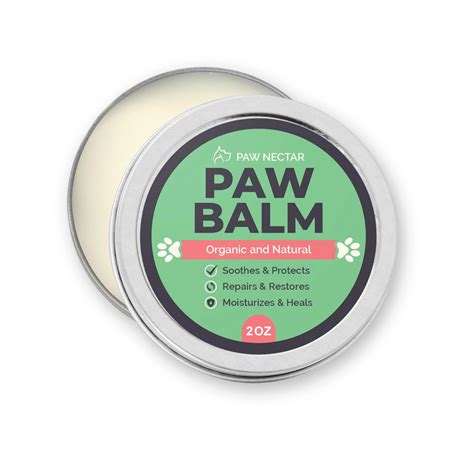
These are designed to moisturize, soften, and heal dry, cracked, or rough paw pads. They often contain natural butters, oils, and waxes.
- Natural Ingredients: Look for balms with ingredients like organic mango butter, shea butter, coconut oil, olive oil, jojoba oil, and vitamin E. These deeply nourish and hydrate the skin.
- Healing Properties: Ingredients such as calendula, chamomile, and manuka honey can help soothe irritation, heal minor cuts, and reduce inflammation.
- Safe for Ingestion: Many paw balms are formulated to be safe if licked by the dog, which is inevitable after application.
Popular Options:
- Natural Dog Company Paw Soother: A vet-recommended option with organic ingredients, known for its moisturizing and healing properties. It features a convenient lip balm-like applicator.
- Dermoscent Bio Balm: Clinically studied for healing dry paw pads and managing hyperkeratosis, this balm contains organic ingredients and probiotics. It absorbs quickly but can have a strong scent.
- Fera Pets PawBiome Pet Balm: Formulated with probiotics and organic ingredients, this balm aims to balance bacteria on the paws and improve skin barrier function. It comes in a plastic-free container.
- Skout’s Honor Prebiotic Pet Balm: Praised for its excellent consistency, this balm is thick yet spreadable, offering significant moisturizing benefits. It contains manuka honey for healing.
2. Paw Waxes and Balms (Protective):
These products create a protective barrier on the paw pads to shield them from harsh elements like hot pavement, salt, ice, and rough surfaces.
- Wax-Based Formulas: Often made with beeswax, carnauba wax, or candelilla wax, these create a semi-permeable layer.
- Protection Against Elements: Ideal for use before walks in extreme weather or on abrasive terrain.
- Distinction from Moisturizers: While some offer mild moisturizing benefits, their primary function is protection.
Popular Options:
- Musher’s Secret: A long-standing favorite in the dog community, this wax-based balm provides excellent protection against snow, ice, salt, sand, and hot pavement. It forms a breathable layer and absorbs well.
- PawZ MAXWAX Dog Paw Balm: A more budget-friendly wax-based option that offers good protection against harsh weather conditions. It tends to sit more on top of the paw than fully absorb.
- Natural Dog Company PawTection: Similar to Paw Soother, this balm from the same brand offers protection with a convenient twist-up applicator. It provides a good balance between protection and moisturizing.
Note: While these balms offer protection, they are not a complete substitute for dog boots in extremely hazardous conditions.
3. Natural Home Remedies:
For occasional use or mild dryness, some natural ingredients can be effective.
- Coconut Oil: A readily available option that moisturizes and can soothe irritation. Apply a small amount directly to the pads.
- Vitamin E Cream: Look for creams specifically designed for dogs. Vitamin E is known for its healing properties.
- Petroleum Jelly: Can be used in moderation to create a protective barrier, especially during cold weather. Ensure it's applied thinly and your dog doesn't ingest too much.
Caution: Always use products specifically formulated for dogs. Human lotions may contain chemicals harmful to pets.
Dry Dog Paw: Simple DIY Dog Butter for Calluses
How to Apply Paw Moisturizer
Proper application ensures the product is effective and minimizes mess. Consistency is key for healing and protection.
Step-by-Step Application Guide:
- Clean the Paws: Before applying any product, gently wipe your dog's paws with a clean, damp cloth to remove dirt, debris, or any residue.
- Prepare the Product: If using a solid balm or wax, warm a small amount between your fingers or by holding it close to your body for a few minutes.
- Apply Generously: Using your fingers or a low-absorbent cloth, apply a generous amount of the moisturizer or balm directly onto your dog's paw pads.
- Massage In: Gently massage the product into the paw pads, ensuring it covers the entire surface and gets between the toes and pads.
- Allow Absorption: Let the product absorb for a few minutes. To prevent your dog from licking it off immediately, you can distract them with a favorite toy or a long-lasting treat, or apply the balm before bedtime. For added protection, consider putting dog booties on for a short period after application.
- Frequency: For healing dry or cracked pads, apply one to three times daily, especially before bedtime. For protection, apply before going outside in harsh conditions. Consistent application is crucial for best results.

Preventative Care and Maintenance
Regular care and mindful choices during walks can significantly contribute to maintaining healthy paw pads.
Tips for Paw Pad Prevention:
- Regular Checks: Inspect your dog's paws every few weeks for any signs of dryness, cracks, or irritation.
- Terrain Awareness: Choose walking surfaces wisely. Concrete and pavement can help toughen pads over time, while soft grass or dirt provides a gentler option. Avoid hazardous areas like trash piles or broken glass.
- Weather Protection: In extreme cold, consider using dog booties. For hot weather, test the surface temperature with your bare hand; if it's too hot for you, it's too hot for your dog. Stick to shaded areas or walk during cooler parts of the day.
- Winter Care: After walks in snow or ice, wipe your dog's paws to remove salt and ice melt residues. Consider protective balms or booties.
- Grooming: Trim excess fur around the paw pads to prevent matting and to allow for better application of balms.
- Proper Diet: Ensure your dog has a balanced diet rich in essential fatty acids, which contribute to overall skin and coat health.
By understanding the needs of your dog's paw pads and implementing a consistent care routine, you can help ensure your furry friend enjoys comfortable and pain-free adventures.
tags: #moisturizer #for #dog #paw #pads