Moles are common skin growths that can appear anywhere on the body. While the majority of moles are harmless, some may need to be removed due to health concerns or aesthetic reasons. If you are in the Denver area and considering mole removal, understanding the available options and what to expect is crucial.
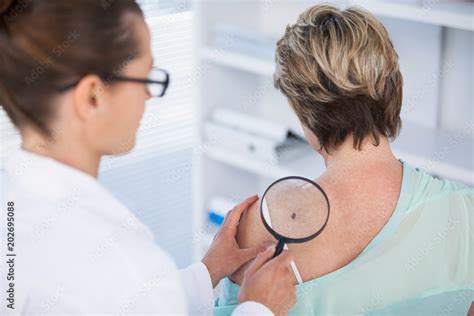
Why Consider Mole Removal?
There are several reasons why individuals choose to have moles removed. Primarily, mole removal is considered when a mole:
- Poses a risk for cancer: While most moles are benign, some can develop into malignant melanoma. Regular skin checks are important for early detection of any suspicious changes.
- Causes aesthetic concerns: Unsightly moles can lead to self-consciousness or social anxiety, impacting a person's confidence.
- Becomes irritated or uncomfortable: Moles can become irritated due to friction from clothing, jewelry, or during shaving, causing discomfort.
Even benign moles can present an aesthetic or emotional challenge for some patients, leading them to opt for removal.
Types of Moles and Their Characteristics
Most people have skin irregularities such as warts, moles, pigmented lesions, and skin tags. Moles, specifically, are small clusters of pigmented skin cells that develop on the skin’s surface. They can vary significantly in:
- Color: Ranging from light brown to dark black.
- Shape: Some are flat, while others are raised.
- Texture: Moles can be smooth or rough.
While most benign moles are stable and do not pose significant health risks, any alterations in their appearance-such as changes in size, shape, or color-can signal potential issues and warrant professional evaluation.
Mole Removal Techniques
A selection of mole removal techniques can be used, offering effective and safe procedures with minimal signs of removal. These methods are typically performed under local anesthesia, ensuring the procedure is not painful.
Surgical Excision
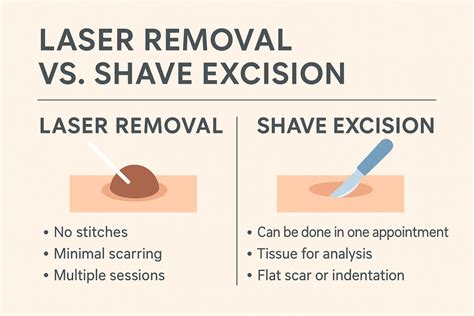
This method involves cutting out the mole entirely, along with a small margin of surrounding skin, using a scalpel or a sharp, circular blade. Surgical excision is considered a definitive method for complete removal, especially for moles with cells deep below the surface of the skin. After the procedure, the area is usually stitched closed.
Shave Removal
In this technique, the mole is carefully shaved off at the skin's surface using a thin blade. This method is often used for non-cancerous surface moles. It's important to note that if cells are left behind, there is a possibility for the mole to regrow.
Cryotherapy (Freezing)
Non-cancerous surface moles can be frozen off using liquid nitrogen. This method utilizes extreme cold to destroy the mole tissue.
Laser Treatment
Small, flat, non-cancerous moles can often be removed via laser treatment. Strong bursts of light are used to break down the mole cells. This method can be particularly effective for certain cosmetic cases, removing the mole without cutting the skin.
Radiofrequency Mole Removal
The Ellman radiofrequency mole removal technique is a minimally-invasive and scarless method that uses radio waves to melt the tissues forming the mole. This technique is gentle, causes little to no discomfort, and is performed without incisions or scars. The process involves melting the mole tissues, blending the sides of the lesion for cosmetic appearance, and applying antibiotic ointment for a few days, after which the pigmented spot gradually fades.
What to Expect During and After Mole Removal
Before the procedure, a local anesthetic is administered to numb the area, ensuring minimal to no pain during the removal process. After the mole is removed, the incision site should be kept clean and covered with a bandage and a layer of ointment or petroleum jelly.
The healing time can vary depending on the size and type of the incision, as well as the patient's age. In most cases, the incision site is kept covered for about two weeks. It is normal to experience some redness or tenderness in the area during recovery.
Proper aftercare is crucial for promoting optimal healing and minimizing the risk of scarring or complications. This may include applying antibiotic ointment and attending follow-up appointments.
Choosing a Provider in Denver
When seeking mole removal in Denver, it is essential to consult with experienced dermatologists or cosmetic surgeons. Several practices in the Denver area offer these services, including:
- Core Dermatology: With a team of board-certified dermatologists, Core Dermatology offers comprehensive dermatologic care, including mole removal.
- La Fontaine Aesthetics: This practice offers virtual consultations for scarless mole removal, with Dr. Ken Oleszek carefully examining moles and curating treatment plans. They utilize the Ellman radiofrequency method for scar-free results.
- Colorado Skin Surgery & Dermatology: Their team of expert dermatologists provides comprehensive services, including benign mole removal using excision or shave techniques.
- Elevated Dermatology: Located in the Denver Metro Area, Elevated Dermatology offers advanced options for mole removal, with in-house dermatopathology for quick analysis of removed tissue.
- Colorado Plastic Surgery Center: This center offers precision and care in mole removal, tailoring procedures to individual needs and focusing on clinical efficacy and patient well-being.
During your consultation, the chosen provider will examine your mole to determine its nature, assess suitability for different treatments, and discuss your goals. If a mole appears suspicious, a biopsy may be recommended.
Mole Removal - Patient Testimonial
Cost of Mole Removal
The cost of mole removal can vary significantly based on several factors, including the type of procedure used, the location of the mole, and the geographic location of the clinic. If a mole is removed for cosmetic reasons, insurance may not cover the procedure, potentially leading to out-of-pocket expenses.
It is advisable to contact the specific clinic or hospital to discuss pricing and insurance coverage details.