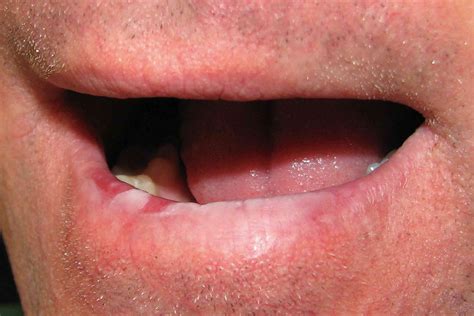
When it comes to complete lip care, lip balms and treatments are more than just a seasonal necessity-they’re a daily essential. Our lips are exposed to harsh environmental factors year-round, from dry indoor air and cold winds to sun exposure and dehydration. Unlike the rest of your skin, lips don’t produce natural oils, making them more prone to dryness, flaking, and cracking. That’s where a nourishing chapstick, organic lip balm, or rich lip butter steps in to protect and restore comfort.
Why Lip Care Matters
Your lips are one of the most sensitive parts of your body, yet they’re often overlooked in skincare routines. Using a high-quality hydrating lip balm not only keeps your lips soft and smooth but also helps prevent painful chapping and irritation.
Regular use of lip treatments:
- Creates a protective barrier
- Locks in moisture
- Promotes healing for dry, chapped lips
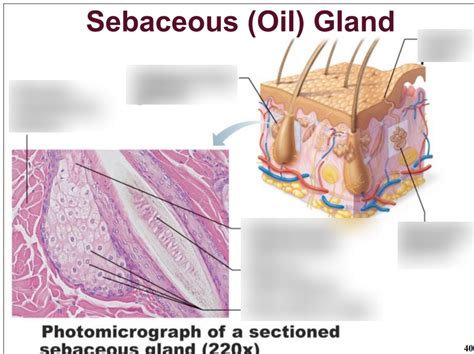
Types of Lip Balms & Treatments
There’s a lip care product for every need, whether you’re looking for deep hydration, sun protection, or a hint of color:
Chapstick
A classic staple, chapstick provides instant relief for dry, cracked lips. Many formulas now include SPF for vital sun protection during outdoor activities.
Organic Lip Balm
Made with natural, chemical-free ingredients like beeswax, coconut oil, and shea butter. Ideal for sensitive skin and for those avoiding synthetic additives.
Tinted Lip Balm
Multitasking products that deliver both moisture and a pop of color. A natural alternative to lipstick that still nourishes your lips.
Lip Butter
Richer and creamier than traditional balms, perfect for overnight use or for those with severely dry or chapped lips. Deeply hydrates and repairs while you sleep.
Understanding Lip Balm Ingredients
Choosing a lip balm seems pretty simple-flavored or unflavored? Tinted or untinted? Stick, pot, or tube? But not all lip balms are created equal, and as you may have come to suspect, some can make dry lips feel worse. “A surprising number of popular lip balms on the market contain ingredients that can irritate dry, chapped lips,” said Jeriel Weitz, DO, a board-certified dermatologist with Riverchase Dermatology. The best lip balms seal in moisture without inflaming or exfoliating the lips.
Beneficial Ingredients for Dry Lips
To moisten and heal dry, chapped lips, choose a lip balm with one or more of the following ingredients:
- Occlusive ingredients: These create a physical barrier on the lips to prevent moisture loss. Examples include petroleum jelly, mineral oil, beeswax, shea butter, cocoa butter, and dimethicone.
- Humectants: These attract water to the lips. Examples include hyaluronic acid, glycerin, and sorbitol.
- Antioxidants: These protect lips from environmental damage. Examples include vitamin C, vitamin E, niacinamide, and polyphenols. “Antioxidants work by preventing damage caused by environmental aggressors such as UV rays and pollution,” Dr. Weitz explained.
Ingredients to Avoid for Sensitive or Chapped Lips
To avoid irritating dry, chapped lips, steer clear of lip balms with these ingredients:
- Menthol
- Camphor
- Phenol
- Salicylic acid
- Artificial fragrances
- Certain essential oils (like peppermint or eucalyptus)
“These ingredients can cause dryness or irritation, leading to a cycle of needing to reapply lip balm more often, which can worsen the problem,” Dr. Weitz advised.
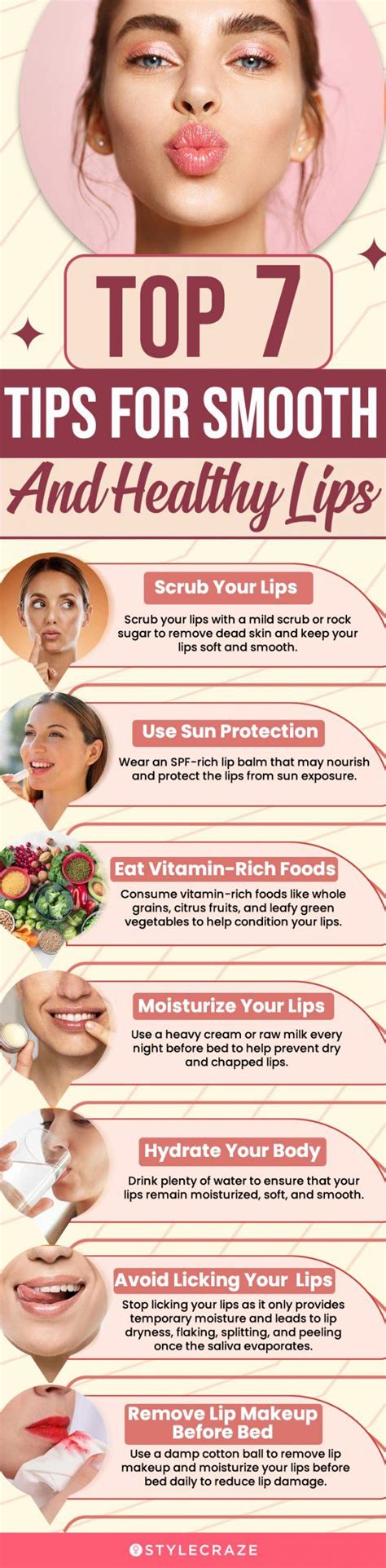
Tips for Healthy, Hydrated Lips
By making lip care part of your daily routine, you can keep your lips soft, smooth, and healthy all year long.
- Exfoliate gently: Use a soft scrub or damp washcloth to remove dead skin before applying balm, helping product absorb better.
- Apply often: Reapply throughout the day, especially in cold or dry climates, after eating, or whenever lips feel tight.
- Stay hydrated: Drink plenty of water, as dehydration often shows first on the lips.
- Use SPF during the day: Wear a lip balm with SPF 30 or higher during the day so the sun won’t dry out or burn your lips. SPF lip balms also help protect you against lip cancer. Once the sun has set, you can switch to a lip balm that doesn’t contain SPF.
- Choose wisely: Look for formulas free from drying ingredients like menthol, camphor, or synthetic fragrance-especially if your lips are sensitive.
- Consider a humidifier: Running a humidifier when the indoor air is overly dry should go a long way toward preventing and healing dry, chapped lips.
Recommended Lip Balms and Treatments
Choosing the right lip balm can significantly impact the health and comfort of your lips. Here are some highly recommended options based on different needs:
Best Drugstore Lip Balm
Dr. Bronner’s Naked Organic Lip Balm
Dr. Bronner’s Naked Organic Lip Balm has a no-fuss stick formulation that disappears into lips while making them feel healthy and happy. Its five ingredients-avocado oil, jojoba oil, hemp seed oils, beeswax, and vitamin E-are elegant in their simplicity. The balm goes on silky and slippery, without leaving behind greasiness or residue. “Loved the texture. It slides on smoothly and it’s very hydrating, but not gooey,” one tester said.
Flaws but not dealbreakers: The thin formulation is no match for profoundly chapped lips, which would benefit from a medicated stick.
Best SPF Lip Balm
Coola Original Liplux Lip Balm Sunscreen SPF 30
Coola Original Liplux Lip Balm Sunscreen, a solid stick of SPF 30 broad-spectrum sunscreen, avoids common pitfalls of SPF lip balms like terrible taste or heavy white cast. It’s “buttery smooth, with a satisfying feel and thickness,” one tester said. The vegan formula, which uses botanical waxes in lieu of beeswax, worked overtime to keep lips supple. “I was surprised how hydrating this was over the course of a couple days,” one tester said.
Flaws but not dealbreakers: Not all testers appreciated the waxy scent and chemically sweet taste. It contains chemical UV filters, which some people try to avoid.
Best Medicated Balm
Dr. Dan’s Cortibalm
Dr. Dan’s Cortibalm contains three moisturizers-petroleum jelly, mineral oil, and beeswax-plus an effective corticosteroid, 1% hydrocortisone, that reduces inflammation and pain. Lightweight and slick with almost no shine at all, it’s a true salve for anyone who has seriously chapped lips, whether from outdoor exposure, medications, or treatments. Lips with damage, such as cracks at the corners or rough flaking, looked less red and felt less painful after a day or two wearing Cortibalm. “This balm so healing she now keeps a tube in her car,” reported one tester.
Flaws but not dealbreakers: Some testers found the texture too thick, but they still acknowledged that the balm really healed hurting lips. Cortibalm is hard to find in stores but is widely available online.
Best Luxe Balm
Fresh Sugar Advanced Therapy Treatment Lip Balm
Fresh Sugar Advanced Therapy Treatment Lip Balm glides on ultrasmooth and leaves lips not just temporarily quenched but also plump and conditioned for days. The silky slip is similar to other balms, but the hydration feels lasting and more substantial, perhaps due to the inclusion of sodium hyaluronate (hyaluronic acid), a humectant that retains moisture. “The slickness wore off in about an hour, but a more subtle softness and relief lasted,” one reported.
Flaws but not dealbreakers: At nearly $30 for one full-size tube, this balm is the most expensive pick. The balm can get melty due to the oils.
Best Tinted Balm
Keys Soulcare Comforting Tinted Lip Balm
Keys Soulcare Comforting Tinted Lip Balm occupies the space between a utilitarian staple and a color cosmetic. It combines hydrating seed oils and comforting beeswax with buildable pigments in wearable shades. The first swipe goes on sheer but perceptible, even for testers with dark lip tones. Adding coats intensifies the color without producing a patchy or uneven look. “The pigment has an unusual amount of depth, nuance, and vibrance,” one panelist said.
Flaws but not dealbreakers: This balm smells a little like sweet Play-Doh.
Best Lip Mask
Laneige Lip Sleeping Mask
Laneige Lip Sleeping Mask delivers a thick, shiny veil of hydration that can be worn overnight, as a prep treatment before applying color, or all day, in lieu of balm or gloss. A single application of the glossy, occlusive balm clings to lips for lasting hydration. “Now I wake up to soft and hydrated lips, and often that feeling lasts all day,” said one staffer with chronically chapped lips. The playful scents, such as Gummy Bear and Grapefruit, were an enticement to reapply.
Flaws but not dealbreakers: The satiny formulation seems at odds with the concept of a mask; some testers felt it was more akin to a gloss. With a price north of $20, this is a splurge.
How to Apply Lip Balm | Long Story Short
When to See a Dermatologist
Still have a parched pucker after a few weeks of TLC? Persistent dry or chapped lips can sometimes be a symptom of an underlying health condition.
Health conditions that can contribute to dry lips include:
- Hypothyroidism (low thyroid)
- Certain autoimmune diseases, such as Sjögren’s syndrome and Crohn’s disease.
Another condition, angular cheilitis, can lead to redness, inflammation, and cracks in the corners of the lips. It’s caused by an overgrowth of a yeast called Candida that can happen when saliva collects in the corners of the lips.
Outdoor laborers and long-term sun worshippers should be aware of farmer’s lip or sailor’s lip, known medically as actinic cheilitis. This precancerous lip condition is caused by chronic sun exposure. Symptoms include chronically dry, scaly, or peeling lips that may have a sandpapery texture, whitish or yellowish patches, and a blurred border between the lip and the skin.