Retinol, a derivative of vitamin A, is a powerhouse ingredient in skincare, known for its ability to restore a more youthful look to the skin. Despite its widespread use and significant benefits, retinol is often surrounded by myths, making it difficult to discern fact from fiction. Understanding the nuances of retinoids, such as the difference between retinal vs. retinol, is crucial for effectively incorporating them into your skincare routine.
What Are Retinoids?
In essence, retinoid products are vitamin A derivatives that absorb into the skin at varying speeds. Among the many types of retinoids available, retinol and retinal are two of the most common. Retinol products generally take longer to show results but are considered a gentler form of retinoids. Retinal products, while stronger than retinol, are still less potent than prescription-grade retinoids.
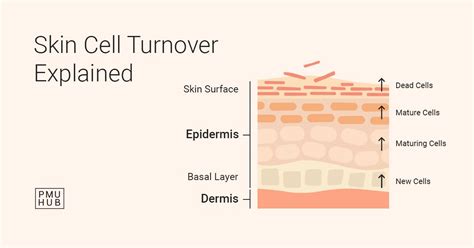
The primary mechanism of retinoids is by encouraging cell turnover. This process allows newer, healthier-looking skin cells to emerge, contributing to improved skin firmness, a more even skin tone, and a reduction in the appearance of fine lines and wrinkles.
Retinol's Multifaceted Benefits
Combating Acne and Breakouts
Many individuals inquire, "Does retinol help with acne?" The answer is a resounding yes. Retinoids can effectively clear clogged pores and reduce inflammation, which are key factors in acne development. Studies have shown that consistent use of retinol can help keep breakouts at bay. The Cleveland Clinic notes that topical retinol treatments help prevent future acne breakouts by reducing swelling and inflammation associated with acne.
Addressing Signs of Aging
Retinol promotes skin cell turnover, a process that naturally slows down with age. A quicker cell turnover rate helps skin appear more youthful, firmer, tighter, smoother, and clearer. Retinol has been a staple in skincare products since the 1970s, used to improve a wide range of skin conditions, including hyperpigmentation, dark spots, wrinkles, and acne.
Improving the Eye Area
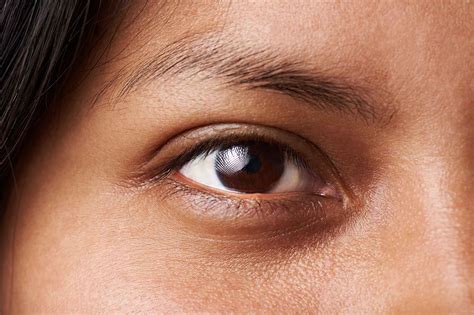
Retinol products offer potential value for the delicate skin around the eyes, particularly in brightening dark under-eye bags and improving the appearance of dull, tired skin. Currently, topical retinol products are considered safe for use around the eyes.
Dispelling Retinol Myths
Morning vs. Night Use
A persistent myth suggests that retinoids should only be used at night. While it's true that retinoids can increase the skin's sensitivity to UV rays and potentially cause sun rashes in some individuals, it is still possible to apply them safely during the daytime. Products containing retinol or retinal can be used at any time of day or night. However, diligent application of sunscreen is paramount, not only to mitigate retinoid-induced sun sensitivity but as a general skincare necessity.
Combining with Exfoliating Products
Some believe that due to the potency of retinol, abrasive skincare methods should be avoided. However, it is perfectly acceptable to use both retinols and exfoliating products simultaneously. This combination can enhance the skin's glow by effectively sloughing off dead skin cells.
Age Restrictions
Another common misconception is that one should wait until a certain age to start using retinoids. The reality is that it's never too early or too late to start using retinoids. Many retinol products are designed to work synergistically, especially those from the same product line. While it's generally safe to use multiple retinol or retinal products concurrently, be mindful that combining them or using them too frequently may increase the likelihood of experiencing drying and skin irritation for some individuals.
Skin Thinning Concerns
Retinoid products, such as tretinoin (a prescription-grade retinoid), can cause a thinning of the stratum corneum. This effect allows the product to penetrate more easily and contribute to a smoother skin texture. Importantly, this does not result in visible thinning of the skin itself.
Incorporating Murad Retinol Cream into Your Routine
Murad Retinol Cream offers a comprehensive approach to skin rejuvenation with its advanced formulation. The product is designed to:
- Repair and hydrate the skin overnight.
- Visibly firm and smooth the skin.
- Strengthen the skin barrier and target both visible and future signs of aging.
- Be gentle enough for nightly use, suitable for all ages, skin types, and tones.
Key Ingredients in Murad Retinol Cream:
- Retinol Tri-Active Technology: This innovative blend features fast-acting, delayed-release, and booster components to deliver quick and sustained retinol benefits, resulting in visibly firmer, smoother skin and a more even-toned complexion.
- Niacinamide: Aids in strengthening the skin's protective barrier, promoting healthier-looking skin.
- Dipeptide: Helps to visibly improve skin firmness.
Research Results:
Clinical studies on Murad Retinol Cream have shown impressive results:
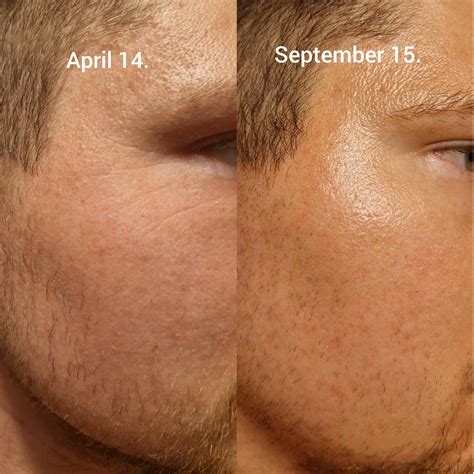
- In 4 weeks, 97% noticed more hydrated skin.
- In 4 weeks, 86% saw firmer, more revitalized skin.
- In 4 weeks, 93% noticed smoother skin texture.
How to Use:
At night, massage the cream evenly over your face and neck. As with any skincare product, individual results may vary, and it's important to listen to your skin's needs. While retinoids offer numerous benefits, remember that healthy skin is a result of a holistic approach, encompassing a balanced diet and overall well-being.