Toenail fungus, also known medically as onychomycosis, is a common infection that affects a significant portion of the population, with estimates suggesting it impacts over 1 in 10 people. While often not a serious immediate health concern, it can lead to progressive nail changes including thickening, brittleness, and in severe cases, detachment from the nail bed. This condition can occur on both fingernails and toenails, though it is considerably more prevalent on the toes. Individuals with fungal toenail infections frequently also experience related fungal conditions like athlete's foot (tinea pedis) or ringworm between the toes.
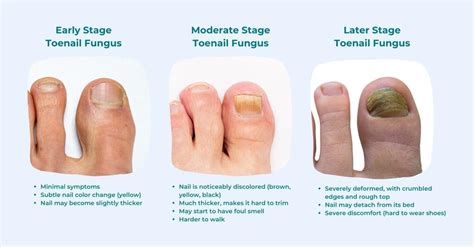
Early Stage of Toenail Fungus
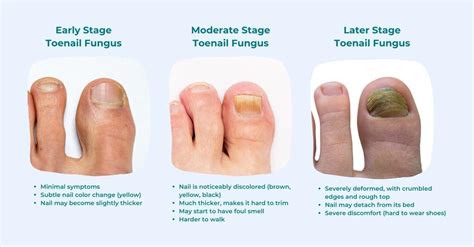
The earliest presentation of toenail fungus typically involves subtle changes to the nail. These may include:
- Slight yellow, whitish, or brownish discoloration of the nail.
- A subtle lifting of the nail from the nail bed.
- Mild thickening of the nail.
In this initial phase, the infection is often asymptomatic and may be easily overlooked. However, it is precisely at this stage that treatment is most effective and least invasive.
Moderate Stage of Toenail Fungus
As the fungal infection progresses into the moderate stage, the symptoms become more pronounced:
- More intense and widespread nail discoloration.
- Noticeable nail thickening.
- The nails may begin to appear brittle or crumbly.
- Some individuals may start experiencing mild pain or discomfort, especially when wearing shoes or engaging in activities that put pressure on the affected toenail.
The fungus continues to spread, and if left untreated, can lead to further complications and discomfort.
Advanced Stage of Toenail Fungus
The advanced stage of toenail fungus signifies a significant deterioration of the nail's health and structure:
- Severe nail thickening, discoloration, and structural changes.
- Extensive nail crumbling.
- Nearly complete detachment of the nail from the nail bed.
- Chronic pain or difficulty walking may occur due to the compromised nail structure and inflammation.
In severe cases, the fungal infection can also spread to the surrounding nails and skin. A chronic nail fungus health concern may lead to complete nail detachment and damage, severe pain, a lower likelihood of nail regrowth, and an increased chance of infection spreading to adjacent nails.
Factors Contributing to Toenail Fungus
Fungal infections thrive in moist environments. Several factors can contribute to the development or worsening of toenail fungus:
- Wearing tight-fitting shoes.
- Experiencing sweaty feet, particularly when confined within shoes.
- Wearing damp socks.
- Sharing towels, shoes, or nail clippers.
- Exposure to warm, humid environments.
- Limited foot hygiene.
- Walking barefoot in public pools, showers, or other damp communal areas.
- Feet remaining wet after bathing.
- The use of nail polish on an infected nail.
Additionally, certain conditions and habits can increase an individual's risk of developing toenail fungus:
- Medical conditions that impair blood circulation, such as diabetes.
- Diseases or medications that weaken the immune system.
- Smoking.
- Older age.
- Genetic predispositions.
Types of Fungal Nail Infections
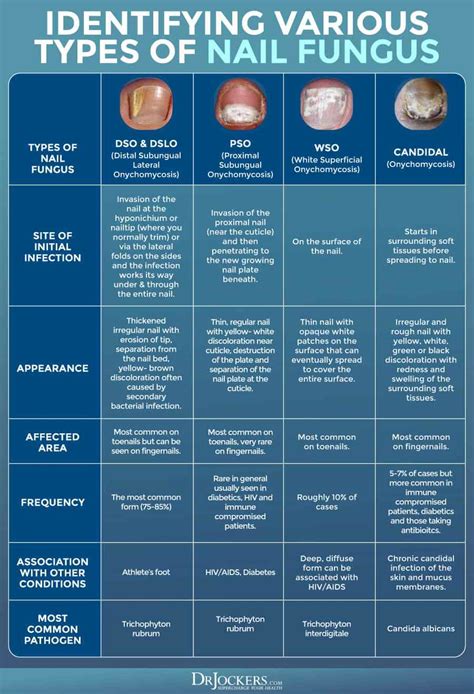
While the progression of toenail fungus follows similar stages, different types of fungi can cause the infection. Understanding these types can aid in diagnosis and treatment:
Distal Subungual Onychomycosis (DSLO)
This is the most common type of toenail fungus, typically caused by dermatophytes. It usually begins at the tip or side of the nail and spreads inward. Symptoms include yellowing, thickening, and crumbling of the nail, often starting with a white or yellow-brown spot under the nail's tip.
Superficial White Onychomycosis (SWO)
Less common, this type affects only the top layer of the toenail. It often starts as small white spots that may become powdery and cause the nail to crumble. This form is generally easier to treat but can spread if not managed.
Proximal Subungual Onychomycosis (PSLO)
This type is rare and typically affects the fingernails. It starts at the base of the nail, near the cuticle, and progresses outward. It is often associated with weakened immune systems and can be caused by dermatophytes or yeast.
Candidal Onychomycosis
Caused by Candida yeast, this type usually affects fingernails, especially if they have been previously damaged by injury or another infection. The skin around the nail may become swollen and inflamed, and the nail can eventually detach from the nail bed.
When to Seek Medical Attention
While early-stage toenail fungus may not cause pain, recognizing the symptoms is crucial for timely intervention. If you notice any significant changes to your toenails, such as discoloration, thickening, brittleness, or crumbling, it is essential to consult a healthcare professional, preferably a podiatrist. They can accurately diagnose the condition, distinguish it from other nail problems like psoriasis or bacterial infections, and recommend the most appropriate treatment plan.
A healthcare provider can diagnose the severity of the infection through examination and laboratory testing, such as nail scraping or fungal culture. This ensures that the treatment addresses the specific type of fungus involved.
Treatment Options for Toenail Fungus
Fungal nail infections generally do not resolve on their own and can be challenging to cure. Treatment options range from medical interventions to home remedies, and the choice depends on the severity and type of infection.
Medical Treatments
- Antifungal Tablets: Oral antifungal medications are often the most effective treatment as they work systemically to kill the fungus within the body. Examples include terbinafine and itraconazole.
- Topical Antifungals: These medications, available as creams, lacquers, or solutions, are applied directly to the infected nail. They are generally more effective for mild to moderate infections and may require prolonged use.
- Nail-Softening Cream (Ciclopirox): These creams can help soften thickened nails, allowing for easier removal of infected nail material, which can improve the efficacy of topical antifungals.
- Laser Treatment: Emerging laser therapies can target the fungus directly, often requiring multiple sessions.
- Medical Nail Removal: In severe or persistent cases, a healthcare professional may surgically remove the affected nail to allow for direct application of antifungal medication to the nail bed and to remove the bulk of the infected tissue.
Home Remedies
Some individuals explore home remedies, although their effectiveness is often anecdotal and may not be sufficient for moderate to severe infections. These may include:
- Topical ointments containing menthol (e.g., Vicks VapoRub).
- Tea tree oil.
- Apple cider vinegar.
- Various essential oils.
It is important to note that if you have a weakened immune system, it is advisable to consult a healthcare professional before attempting home treatment.
Dermatologist Shares Treatments for Nail Fungus & Prevention Tips | Dr. Sam Ellis
Prevention of Toenail Fungus
Preventing toenail fungus involves maintaining good foot hygiene and taking precautions in environments where fungi thrive:
- Keep your feet clean and dry, especially between the toes.
- Wash your feet with soap and water regularly.
- Dry your feet thoroughly after washing, bathing, or swimming.
- Wear moisture-wicking socks and change them if they become damp.
- Choose shoes that fit well and allow for air circulation; avoid tight-fitting footwear.
- Wear sandals or open-toed shoes when possible to allow feet to breathe.
- Wear protective footwear (e.g., shower shoes) in public areas like locker rooms, gyms, and swimming pools.
- Disinfect nail clippers and other pedicure tools after each use.
- Choose nail salons that adhere to strict hygiene practices and sterilize their equipment.
- Avoid covering discolored nails with nail polish, as this can prevent the nail from breathing and potentially worsen the condition.
- Do not share personal items like towels, socks, or shoes.
If you have a history of fungal infections or are at higher risk, consistent preventative measures are essential to avoid recurrence.
Prognosis and Healing Timeline
The timeline for clearing toenail fungus can vary significantly depending on the severity of the infection and the chosen treatment method. It typically takes 12 to 18 months for a completely new, healthy nail to grow and replace the infected one. Visible signs of improvement, such as a reduction in discoloration and thickness, along with healthy new nail growth from the base, indicate that the treatment is working and the body is clearing the infection.
A sign that your nail fungus is healing is when the base of your nail shows new and healthy growth. It may take a few months for toenail fungus treatment to start showing noticeable results. If your nail fungus is worsening, you might observe increased discoloration, thickening, brittleness, and crumbling. In more severe instances, the nail may begin to detach from the nail bed, or you might experience difficulty walking.
Itâs important to consult with a healthcare professional before attempting to remove a toenail with fungus yourself. In severe cases, they might perform a procedure to remove part of the nail, but this is usually combined with other treatments for optimal effectiveness.