Oxygen therapy is a vital treatment for many individuals with respiratory conditions. However, it can sometimes lead to discomfort, specifically dryness in the nose, mouth, and throat. Fortunately, several strategies can help alleviate this dryness and improve comfort for those using oxygen.
Managing Nasal Dryness During Oxygen Therapy
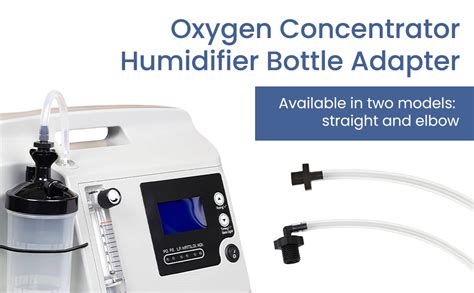
Nasal dryness is a common side effect of oxygen therapy. To combat this, consider incorporating a humidifier bottle into your oxygen concentrator setup. This device adds moisture to the oxygen, providing relief from dryness in the nasal passages and sinuses.
It is crucial to consult with your healthcare provider regarding any dryness you experience. If they determine that humidification is appropriate for your situation, they will prescribe and arrange for a humidifier bottle to be attached to your concentrator. This ensures that the oxygen you inhale is adequately moistened.
Hydration and Nasal Moisture
Maintaining adequate fluid intake throughout the day is essential for overall hydration and can help mitigate dryness associated with oxygen therapy. Dehydration can contribute to various health issues, including fatigue, headaches, dizziness, and constipation.
Discuss with your healthcare provider to determine the optimal amount of fluid intake tailored to your individual needs. Keeping your nasal passages moist is key to preventing dryness and reducing discomfort.
Choosing the Right Nasal Moisturizer
Nasal moisturizers can effectively keep nasal passages moist and prevent dryness. A variety of options are available on the market. For internal nasal application, consider using aloe vera or a water-based lubricant, such as K-Y Jelly or AquaGel. These are specifically recommended for moisturizing the inside of the nose if it becomes dry.
It is critically important to avoid oil-based products, such as petroleum jelly (Vaseline) or products with a petroleum or paraffin base, as these can pose a flammability risk when used in conjunction with oxygen therapy.
When selecting a nasal moisturizer, it is best to consult your healthcare provider. They can recommend the most suitable moisturizing product for your specific needs.
Understanding Emollients and Flammability Risks
Some skin creams, ointments, lotions, gels, bath oils, and lip balms contain emollients. While emollients themselves are not flammable, certain prescription topical medications may have a petroleum or paraffin base. The Medicines and Healthcare products Regulatory Agency (MHRA) has issued guidance on the safe use of emollients and creams.
As a home oxygen user, if you need to use an emollient, it is advised to use a minimal amount and ensure it is thoroughly rubbed into the skin. Skin products containing white soft paraffin, petroleum jelly, or emulsifying ointment can saturate clothing, bedding, and bandages, making them potentially more flammable.
Lotions, which typically contain more water and less fat than creams, may be a better alternative for moisturizing. Always follow the advice provided by your pharmacist or healthcare team to ensure safe usage of these products.
Safety Precautions with Emollients and Oxygen
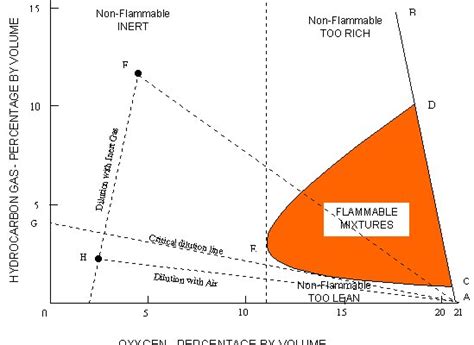
If you are using emollients, it is essential to be aware of potential flammability risks, especially when near heat sources or open flames.
- Do not cook, go near naked flames, or sources of heat such as gas, halogen heaters, candles, electric bar heaters, or open fires while wearing clothing or dressings that have been in contact with emollient-treated skin.
- If avoiding heat sources is not possible, take steps to reduce the risk. This includes changing and washing clothes frequently, preferably daily.
Maintaining Your Oxygen Equipment
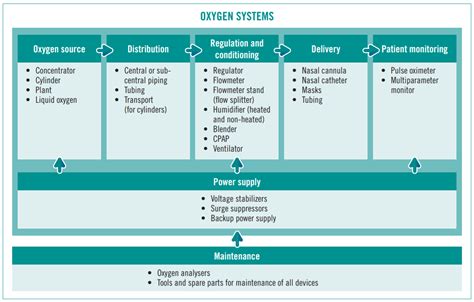
Regular cleaning of your oxygen delivery system is essential for optimal function and safety. This includes the oxygen concentrator, nasal cannula, facemask, tubing, and humidifier bottle.
Conclusion
Experiencing dryness in the nose, mouth, and throat is a common concern for individuals undergoing oxygen therapy. By understanding the potential side effects and implementing appropriate management strategies, such as using humidifiers, staying hydrated, and selecting safe moisturizing products, you can significantly improve your comfort during treatment. Always consult your healthcare provider before making any changes to your oxygen therapy regimen.
tags: #nasal #moisturizer #for #oxygen #users