Natural body lotion ingredients are the foundation for achieving radiant, supple skin that feels as luxurious as it looks. For individuals who prioritize wellness and elegance, selecting lotions formulated with pure, nourishing components offers a superior approach to skin hydration and care. These ingredients provide not only deep nourishment but also a delightful sensory experience, often with subtle, natural scents, all while avoiding harsh chemicals.
The Essence of Natural Ingredients in Skincare
Natural body lotion ingredients are derived from plants, nuts, fruits, and minerals, meticulously chosen to work in harmony with your skin’s natural biology. Consumers seeking skincare that aligns with both luxury and health gravitate towards natural ingredients because they offer sensory richness and proven skin benefits without compromising on purity.
Key Natural Ingredients and Their Powerful Benefits
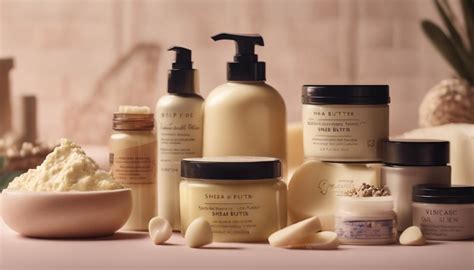
- Shea Butter: A natural powerhouse rich in vitamins A and E, essential fatty acids, and antioxidants. It deeply conditions the skin, effectively repairing dryness and restoring softness.
- Mango Butter: Derived from the tropical mango tree, this butter complements shea butter by providing a lighter yet intensely moisturizing feel.
- Aloe Creme: Often made from fresh aloe vera gel, it is renowned for its significant anti-inflammatory and healing properties, soothing the skin.
- Vitamin E Oil: A potent antioxidant that helps protect your skin from free radicals, environmental pollutants, and premature aging, contributing to a more youthful appearance.
- Jojoba Oil: This oil closely mimics the skin's natural sebum, making it exceptionally effective at balancing the skin’s oil production.
- Coconut Oil: Offers deep hydration and possesses antibacterial properties, supporting both skin softness and overall skin health.
Understanding Lotion Formulation: Texture and Functionality
Body lotions are daily essentials for many, designed to deliver hydration, nourishment, and comfort. As consumers become more ingredient-conscious, understanding the role of each component-from humectants and emollients to occlusives and actives-is crucial for creating effective lotions tailored to modern skin needs across different climates, preferences, and skin types.
Texture Matters: Matching Body Lotions to Skin Needs
In body care, texture is not merely about luxury; it's about functionality. For normal to oily skin, lightweight lotions are often preferred for their quick absorption and minimal residue. Conversely, dry or sensitive skin benefits from richer, more occlusive body lotions, which incorporate a higher oil phase and barrier-repairing ingredients. Seasonal shifts and geographic climates also influence preferences, with heavier, more protective lotions being favored in colder or drier environments.
Key Lotion Ingredients for Lasting Hydration
A body lotion's effectiveness is often determined by its ability to hydrate and maintain moisture over time. Formulators utilize specific ingredients to build hydrating systems suitable for various skin types and climates, addressing concerns like dryness, dullness, or the need for daily moisturization.
The Science Behind Natural Formulations
Many natural lotions ingeniously combine oils and butters with water-based ingredients to ensure hydration is delivered without a greasy sensation. Water-based formulations enhance skin absorption and offer refreshing, subtle scents, which is ideal for those who value natural aromas over synthetic fragrances. Incorporating organic body butter means choosing ingredients grown without harmful chemicals or pesticides, guaranteeing purity and safety, especially for sensitive skin.
Formulation Tips: Crafting Your Own Lotion
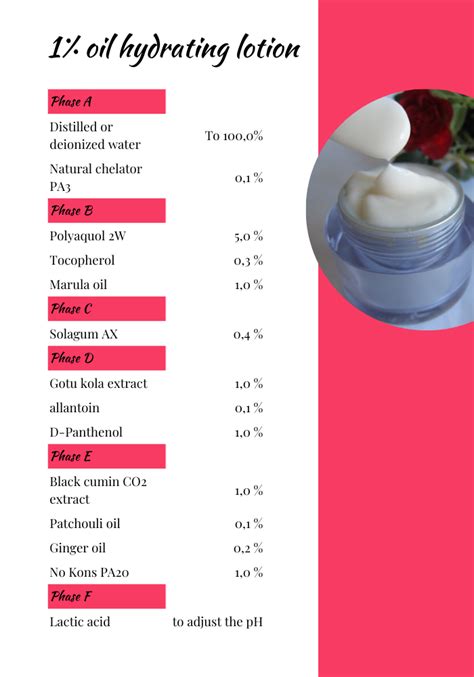
Creating a high-performing body lotion involves a solid understanding of emulsion design. The basic structure typically includes:
- Oil Phase (10-20%): Contains emollients, occlusives, and oil-soluble actives. Lightweight lotions use a lower percentage.
- Emulsifier System (2-6%): Essential for stabilizing the oil and water phases.
- Preservatives (0.5-1%): Crucial for product safety and shelf life.
The pH of lotions should typically fall between 4.5 and 6.0, depending on the actives used and the desired skin compatibility. Adjusting the oil-to-water ratio, swapping emollients, or modifying the emulsifier system allows for customization of texture and feel.
Clean and Conscious Formulating: What to Avoid
The growing demand for clean beauty, sustainability, and skin sensitivity-friendly products challenges formulators to be mindful of what ingredients to exclude. Many consumers actively seek lotions that are fragrance-free, non-irritating, and ethically formulated. Ingredients like alcohol denat. or SD alcohol 40 can strip moisture, while others like petrolatum or dimethicone might be excluded in clean-label formulations. For vegan claims, beeswax, lanolin, or animal-derived collagen are avoided.
Understanding "Natural" vs. "Organic"
"Natural" refers to ingredients derived from plants, minerals, or natural sources, but the term isn't regulated and doesn't guarantee the absence of synthetic additives. "Organic" signifies that ingredients were grown without synthetic pesticides or GMOs.
Benefits of Switching to Natural Lotions
Switching to natural lotions offers numerous advantages for both skin health and the environment. Many conventional lotions contain preservatives and chemicals like parabens, sulfates, and synthetic fragrances, which can irritate the skin and potentially cause long-term damage. Natural lotions, rich in vitamins, antioxidants, and essential fatty acids, nourish and restore the skin without clogging pores.
Skin Health Advantages
- Nourishment and Restoration: Natural ingredients deeply hydrate and replenish the skin.
- Reduced Irritation: Free from harsh chemicals and synthetic fragrances, they are often ideal for sensitive skin, eczema, psoriasis, or dermatitis.
- Improved Skin Condition: Regular use leads to better hydration, fewer breakouts, and a more even skin tone over time.
- Lower Risk of Allergic Reactions: The absence of common irritants significantly reduces the chance of adverse skin reactions.
Environmental Considerations
Choosing natural lotions also benefits the environment. Conventional lotions can contain petrochemicals that may harm ecosystems when washed away. Natural lotions are typically biodegradable and often packaged in eco-friendly materials, reducing your environmental impact.

Key Natural Ingredients and Their Roles
Understanding the specific roles of ingredients clarifies why natural formulations are so effective:
Humectants
Humectants attract water to the outermost layer of the skin and help retain it. Glycerin, derived from plant oils, is a cost-effective humectant that adds bounce without tackiness. Hyaluronic acid is another popular choice, though its use should be moderated in extremely arid climates.
Emollients
Emollients soften rough patches and improve skin texture, making them vital for moisturizing. Plant oils are primary emollients. Jojoba oil, a liquid wax, mimics skin's sebum, making it balancing even for oily skin. Other options include sweet almond oil, sesame oil, grapeseed oil, and hemp seed oil, each offering unique benefits.
Occlusives
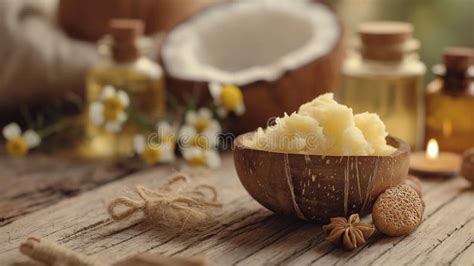
Occlusives create a breathable film on the skin's surface, significantly slowing water loss. Natural occlusives include cosmetic butters like shea butter, cocoa butter, and cupuaçu butter, as well as natural waxes like beeswax or candelilla wax (for a vegan option). These ingredients provide cushioning and prevent greasiness.
Specific Butter Benefits:
- Shea Butter: Rich in stearic and oleic acids, offering an ultra-creamy texture and a subtle nutty scent.
- Mango Butter: Lighter and less scented than shea butter, making it ideal for spring formulations.
- Cocoa Butter: Firmer and more occlusive, with a distinct chocolate scent.
Actives and Antioxidants
These ingredients provide targeted benefits. Panthenol (Pro-vitamin B5) aids in skin repair. Extracts like green tea, hibiscus, and rosehip oil offer antioxidant support and can contribute to skin brightness and an even tone over time.
Scent Considerations
Scent is a personal choice. Essential oils offer a natural way to fragrance lotions, but they require careful dilution and adherence to dermal limits. Alternatively, many consumers prefer fragrance-free options.
Preservation in Natural Formulations
Any water-based emulsion requires a preservative to protect against bacteria, yeast, and mold. While "preservative-free" sounds appealing, the absence of preservatives can lead to microbial contamination. Natural leaning preservatives, such as Geogard ECT (a blend of benzyl alcohol, salicylic acid, sorbic acid, and glycerin), are accepted by clean certifiers and work best at slightly acidic pH levels. Proper usage rates and storage conditions are essential for maintaining product integrity and safety.
How To Apply Body Oil And Body Lotion The RIGHT Way ✅️ For Best Results
Caring for Your Natural Lotions
Without synthetic preservatives, natural lotions are more vulnerable to heat and light. They typically have a shelf life of 6-12 months after opening, compared to 2-3 years for conventional products. Natural antimicrobials like rosemary extract and vitamin E help extend shelf life, but botanical oils and butters can oxidize over time. It is recommended to store them in a cool, dark place away from humidity and heat. Using clean hands or a spatula and buying smaller quantities also helps ensure freshness.
Understanding Body Cream vs. Body Lotion
While both body cream and body lotion are designed to hydrate the skin, creams are generally thicker and contain less water than lotions. Body creams often create a protective barrier to lock in moisture, preventing dry, flaky skin. It is generally advisable not to use body cream on the face unless specifically indicated, as facial skin is often more delicate and prone to different issues.
The Aromatherapeutic Experience of Body Creams
The application of body cream can be a calming and relaxing experience, offering an aromatherapeutic benefit. The lingering scent serves as a subtle reminder of self-care. Choosing a body cream aroma that resonates with personal preferences enhances this experience.
tags: #natural #moisturizing #lotion