If you're noticing sagging, drooping, or tired-looking eyes, you might be considering eyelid surgery. However, as you research your options, you'll likely encounter two terms: blepharoplasty and oculoplastic surgery. While they sound similar, they serve different purposes and require different expertise. Understanding the distinctions between these procedures and the surgeons who perform them is crucial for achieving optimal results, whether your goal is improved vision, a refreshed appearance, or insurance coverage.
What is Blepharoplasty?
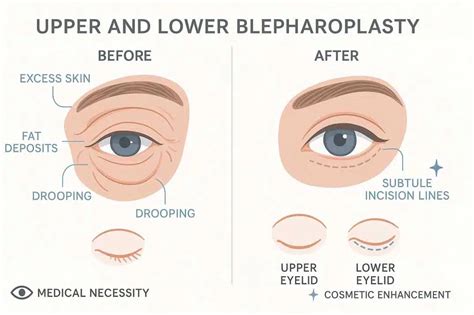
Blepharoplasty, often referred to as "eyelid lift surgery," is primarily a cosmetic procedure aimed at improving the appearance of the upper and/or lower eyelids. It is a popular choice for both men and women seeking to rejuvenate their look. The main focus of blepharoplasty is the aesthetic improvement of sagging or puffy eyelids through the removal or repositioning of excess skin, fat, and muscle. The goals typically include reducing bagginess under the eyes, tightening loose or sagging upper eyelids, and creating a more youthful, alert appearance.
Procedures that may be included under the umbrella of blepharoplasty can encompass:
- Blepharoplasty
- Brow Lifts
- Ptosis Repair (when performed for cosmetic reasons)
Generally, blepharoplasty is usually not covered by insurance unless the eyelid droop significantly impairs vision, in which case it might be diagnosed as ptosis.
What is Oculoplastic Surgery?
Oculoplastic surgery is a specialized medical subspecialty within ophthalmology. Oculoplastic surgeons are eye doctors who have undergone additional surgical training specifically in procedures involving the eyelids, tear ducts, eye sockets (orbits), and adjacent facial areas. This field is also sometimes referred to as oculofacial or ophthalmic plastic and reconstructive surgery.
The focus of oculoplastic surgery is on medically necessary surgeries around the eye, involving highly specialized procedures that address function, anatomy, and aesthetics. Common procedures performed by oculoplastic surgeons include:
- Ptosis repair (for droopy eyelids that impact vision)
- Tear duct surgery
- Orbital surgery
- Correction of eyelid malpositions (e.g., entropion, ectropion)
- Eyelid reconstruction after trauma or skin cancer surgery
- Treatment of orbital tumors and fractures
- Cosmetic surgery of the eyelids and surrounding areas
These procedures are typically performed by oculoplastic surgeons only, who are medical doctors (MDs) with subspecialty training in ophthalmology and plastic surgery. Oculoplastic surgery is often covered by insurance when the surgery addresses a functional issue, such as vision obstruction or anatomical abnormalities.
Understanding Ptosis Repair
Ptosis refers to the medical condition where the upper eyelid droops over the eye, potentially partially or entirely blocking vision. This condition can be caused by aging, muscle weakness, trauma, or neurological issues. Ptosis repair surgery aims to tighten or reposition the eyelid’s lifting muscles, which can dramatically improve the field of vision. It may also be paired with a cosmetic blepharoplasty for combined functional and aesthetic benefits.
Crucially, ptosis repair is often medically necessary and may be covered by insurance. Many patients choose to combine ptosis repair with blepharoplasty to address both functional and aesthetic concerns simultaneously.
Key Differences: Blepharoplasty vs. Oculoplastic Surgery
The table below highlights the key differences between blepharoplasty and oculoplastic surgery:
| Feature | Blepharoplasty | Oculoplastic Surgery |
|---|---|---|
| Primary Focus | Eyelid and brow appearance (cosmetic) | Eyelids, tear ducts, orbits, etc. (functional and cosmetic) |
| Scope | Primarily cosmetic improvement of eyelids | Comprehensive surgical care of eyelids, orbits, tear ducts, and surrounding structures |
| Performed By | Plastic surgeons or oculoplastic surgeons | Only oculoplastic surgeons |
| Insurance Coverage | Rarely covered (unless paired with functional issues like ptosis) | Often covered for functional issues |
| Best For | Aging eyes, puffiness, tired look (cosmetic concerns) | Vision obstruction, complex anatomy, tear duct issues, functional eyelid disorders |
Preparing for Eyelid Surgery
To prepare for a blepharoplasty or other eyelid surgery procedure, your ophthalmologist or oculoplastic surgeon may advise you to:
- Undergo a medical evaluation or lab testing.
- Quit smoking, as it can impede healing.
- Adjust your current medications or begin taking specific prescribed medications.
- Stop taking anti-inflammatory drugs, aspirin, blood thinners, multivitamins, and herbal supplements, as these can increase the risk of bleeding.
It is essential to arrange for a trusted family member or friend to drive you home after the surgery and to stay with you for the first night following the procedure.

What Happens During an Eyelid Surgery Procedure?
Depending on your specific goals and the surgeon's recommendation, blepharoplasty can be performed on the upper eyelids, lower eyelids, or both.
Upper Blepharoplasty
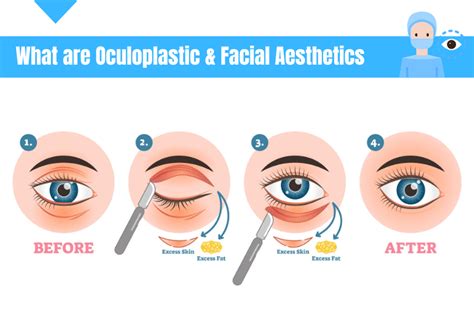
During an upper blepharoplasty, your surgeon will make incisions within the natural crease of your upper eyelid. These incisions are strategically placed to be hidden when your eyes are open. The surgeon will then remove excess skin and protruding fat before closing the incisions.
Lower Blepharoplasty
For a lower blepharoplasty, the surgeon typically makes an incision just below the lower eyelash line to remove excess skin from the lower eyelid. Alternatively, an incision hidden inside the lower eyelid (transconjunctival incision) may be used to correct lower eyelid issues and redistribute or remove excess fat.
Blepharoplasty Animation – How is Lower Blepharoplasty/ Eyelid Surgery completed?
How Long Does Eyelid Surgery Take?
A surgeon can typically complete an upper blepharoplasty in about 45 minutes to one hour. If both upper and lower eyelids are addressed simultaneously, the procedure may take up to two hours, depending on factors such as fat repositioning or additional work performed.
What Happens After Eyelid Surgery?
After the procedure, you will likely have a stitch in each upper eyelid that will remain for about a week. If incisions are made inside the lower eyelids, stitches may not be required. It is common to experience swelling and bruising in both the upper and lower eyelids. Cold compresses and keeping your head elevated when lying down can aid healing and relieve discomfort.
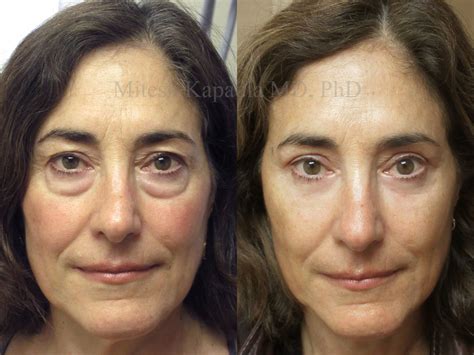
Results of blepharoplasty can be significant, with many patients reporting increased self-confidence and a more youthful, rested appearance. For some, the results can be long-lasting. Bruising and swelling generally subside gradually over 10 to 14 days, while scars from the incisions may take several months to fade.
Should You See a Plastic Surgeon or an Oculoplastic Surgeon?
If your primary goal is purely cosmetic, such as treating mild puffiness or fine eyelid wrinkles, a board-certified plastic surgeon with experience in facial procedures may be a suitable choice. However, if you are experiencing:
- Eyelid drooping that interferes with vision
- Asymmetry or complications from previous surgery
- Neurological or structural eyelid issues
- Concerns about both function and appearance
...then an oculoplastic surgeon is likely the better option. These specialists possess a unique combination of medical expertise in eye function and precision aesthetic skills, making them well-equipped for both routine and complex eyelid procedures. Traditional cosmetic surgeons, while skilled in various body surgeries, may lack the specialized knowledge of ocular anatomy that oculoplastic surgeons possess.
Insurance Coverage for Eyelid Surgery
Insurance coverage for eyelid surgery typically depends on whether the procedure addresses a functional issue or is purely cosmetic. Generally, cosmetic blepharoplasty is not covered. However, surgeries performed to correct or improve vision, such as ptosis repair, eyelid malposition correction, or repair of vision-impairing sagging, may be reimbursable in whole or in part. It is the patient's responsibility to verify coverage details with their insurance provider. Visual field testing may be required to qualify for insurance coverage in cases of vision impairment.
tags: #oculoplastic #surgeon #blepharoplasty