Understanding the ingredients in your skincare products is crucial for making informed choices about your skin's health. This article delves into the common components found in hand lotions, with a focus on the benefits they offer and how they contribute to skin's well-being.
Key Skincare Ingredients and Their Functions
Many skincare formulations rely on a carefully selected blend of ingredients to achieve desired results. Here's a breakdown of some frequently encountered components:
Hydrators and Moisturizers
- Water (Aqua): The most common ingredient in cosmetics, purified and deionized water (H2O) serves as a primary solvent. The purification process removes mineral ions, ensuring a clean base for other ingredients.
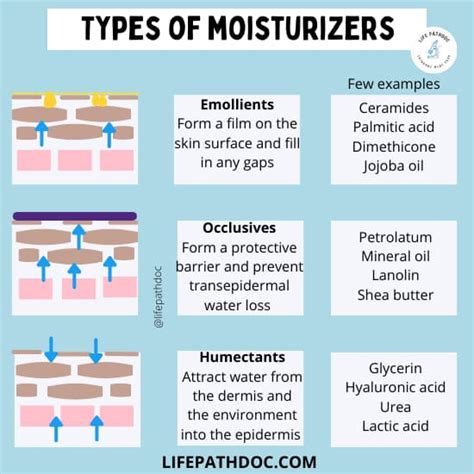
- Glycerin: A humectant, glycerin attracts water to the skin, helping to maintain hydration. It is a well-tolerated ingredient that contributes to a smooth skin feel.
- Panthenol (Pro-Vitamin B5): This ingredient is a humectant that aids the skin in attracting and retaining moisture. It also possesses anti-inflammatory and skin-protecting properties, potentially reducing irritation caused by other ingredients. Panthenol is also beneficial for nail and hair care.
Emollients and Occlusives
Emollients smooth and soften the skin, while occlusives form a barrier to prevent moisture loss.
- Petrolatum (Vaseline, Petroleum Jelly): A highly effective occlusive agent derived from petroleum. It forms a barrier on the skin's surface, significantly reducing transepidermal water loss (TEWL). This makes it beneficial for healing severely dry skin and cracked lips. While extremely effective, excessive use (reducing TEWL by over 40%) can create an environment conducive to fungal and bacterial growth. Cosmetic-grade petrolatum is considered safe and does not absorb into the skin, minimizing health risks.
- Dimethicone: A common silicone that provides a silky smooth feel to the skin, creates a subtle gloss, and forms a protective barrier. It can temporarily fill fine lines and wrinkles, giving a plumper appearance. Dimethicone is also used in scar treatment gels to soften scars and improve elasticity. In hair care, it smoothes the hair shaft. However, non-volatile silicones like dimethicone can sometimes lead to build-up and may be difficult to wash out, depending on hair type.
- Glyceryl Stearate: This ingredient acts as an emollient, making the skin feel smooth. It also helps stabilize and thicken oil-water mixtures (emulsions). It is often paired with other silicones for enhanced emulsification properties.
- Cetearyl Alcohol: A fatty alcohol that acts as an emollient, making the skin feel smooth and nice. It also functions as a thickener and an emulsifier, aiding in the blending of water and oil components. Fatty alcohols are non-drying and non-irritating.
- Stearic Acid: A fatty acid that serves as an emollient, making the skin feel smooth. It also contributes to the body of cream-type products and helps stabilize emulsions. Stearic acid can be found naturally in the skin and can also act as a cleansing agent in certain formulations.
- Cetyl Alcohol: Another fatty alcohol similar to Cetearyl Alcohol, it provides emollient properties and contributes to product texture. It is often used in conjunction with Stearyl Alcohol, forming Cetearyl Alcohol.
Antioxidants and Skin Conditioners
- Tocopherol (Vitamin E): The most common form of pure Vitamin E used in cosmetics, it acts as an antioxidant, protecting the skin from environmental damage.
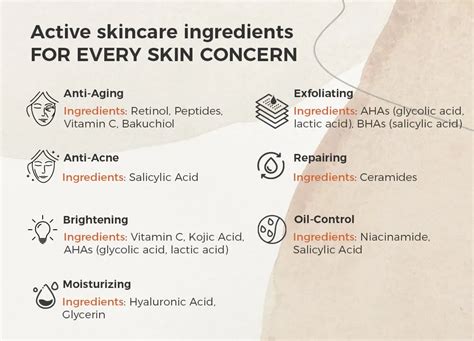
- Niacinamide (Vitamin B3): A multitasking ingredient that strengthens the skin barrier, reduces the appearance of pores and dark spots, regulates oil production, and improves signs of aging. Niacinamide is generally gentle and well-tolerated, even by sensitive skin. It works by replenishing the skin's coenzyme NAD, which declines with age, thereby supporting cell repair, collagen production, and defense against environmental stressors.
Texture Enhancers and Stabilizers
- Silica: A spherical powder used to enhance texture and provide a soft-focus effect.
- Carbomer: A large molecule composed of repeating subunits used to create gel-like textures and form a film on the skin. It also acts as a preservative, helping to prevent product spoilage when used in small amounts and often in combination with other preservatives.
- Disodium EDTA: This ingredient helps stabilize cosmetic products by neutralizing metal ions that can be introduced through water, preventing undesirable changes in the formula. It is often found alongside phenoxyethanol.
- Xanthan Gum: A polysaccharide used as a thickener and stabilizer in cosmetic formulations, contributing to product texture and consistency.
Preservatives and Fragrance
- Phenoxyethanol: A widely used, gentle preservative known for its safety profile. It is effective in preventing microbial growth in cosmetic products.
- Fragrance (Parfum): Added to provide a pleasant scent to cosmetic products. For individuals with sensitive skin or those who prefer to know the exact composition of their products, fragrance can be a concern as its components are not always disclosed and can be a common cause of contact allergies.
- Sodium Hydroxide: Also known as lye, this is an alkaline substance used in small amounts to adjust the pH of cosmetic products. Achieving the correct pH is crucial for the efficacy and stability of certain ingredients, such as AHAs and BHAs. It has a long history of use, notably in soap making.
Understanding Ingredient Benefits for Hand Care
Hand lotions are specifically formulated to address the unique needs of the skin on the hands, which is often exposed to harsh environmental conditions and frequent washing. Key benefits derived from the ingredients include:
- Intense Moisturization: Ingredients like glycerin, panthenol, and fatty alcohols work to hydrate and retain moisture, combating dryness and flakiness.
- Skin Barrier Protection: Occlusives such as petrolatum and dimethicone create a protective layer that minimizes moisture loss and shields the skin from external irritants. Niacinamide further strengthens the skin's natural barrier.
- Soothing and Anti-Inflammatory Effects: Panthenol and niacinamide can help calm irritated skin and reduce redness.
- Improved Skin Texture: Emollients like glyceryl stearate and stearic acid, along with silicones, contribute to a smoother, softer skin feel.
- Anti-Aging Properties: Niacinamide's ability to support collagen production and repair cell damage can help reduce the visible signs of aging on the hands.