Dandruff, itchiness, excess oil, and premature hair thinning are more common than most people think. And once they start, they can be difficult to manage. The scalp is skin, and like any skin, it needs the right support to stay balanced. When that balance is disrupted, hair may start to look dull, feel less resilient, or shed more than usual.
Recognizing Common Scalp Imbalances
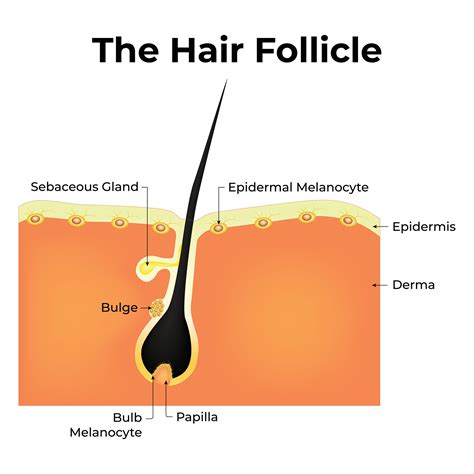
Scalp health is influenced by several key factors, including oil production, hydration levels, and reactivity to external stimuli. Understanding these can help in identifying and addressing specific issues:
Oil Production
- Oily Scalp: This condition can lead to buildup or a greasy feel between washes.
Hydration
- Dry Scalp: May be visibly flaky or feel tight. It can be caused by various factors like harsh ingredients, temperature shifts, or friction.
Reactivity
- Sensitive Scalp: This type of scalp may exhibit dryness, visible sensitivity, or irritation.
The Importance of Scalp Cleansing
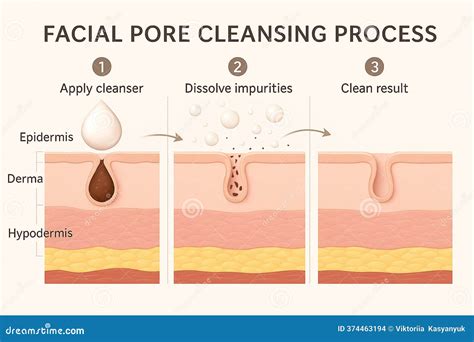
Cleansing plays a crucial role in maintaining a healthy-looking scalp. Effective cleansing removes impurities that can accumulate on the scalp’s surface, preventing discomfort and promoting a healthier environment for hair growth. It is an often-overlooked but vital step in hair care routines.
Building an Effective Scalp Care Routine
An effective scalp routine doesn’t need to be complex. By incorporating the right steps and products, you can significantly improve how your hair looks and feels over time. Consistency is key to achieving the best results.
Daily Practices vs. Washing Frequency
While daily practices are important for overall scalp health, the frequency of washing can vary. Over-washing can strip the scalp of its natural oils, potentially leading to dryness or increased oil production as the scalp tries to compensate. Conversely, infrequent washing can result in product buildup.
Scalp Treatments and Their Benefits
Targeted scalp treatments can address specific concerns and support overall scalp health. These can include toners, serums, and specialized masks designed to nourish and balance the scalp.
- Scalp Serums: These concentrated treatments can offer targeted benefits such as improved scalp hydration and relief from dryness-related discomfort. They often feature balanced formulas designed for long-term balance and can contribute to denser, fuller-looking hair.
- Toner for Scalp: A scalp toner can be used 2-3 times per week to help maintain scalp clarity and balance.
- Serum for Hair Density: This type of serum is formulated to support the scalp and promote the appearance of denser, fuller-looking hair.
Addressing Hair Thinning
Hair thinning doesn’t follow a strict timeline and can begin in various age groups, including the twenties. Factors influencing hair health are multifaceted and include lifestyle choices. Changes in hair texture and volume can happen gradually, emphasizing the need for a consistent and supportive hair care routine.
A simple routine, focused on scalp health, can go a long way in supporting the appearance of healthier hair. Remember that healthy-looking hair doesn’t exist in isolation; it is influenced by overall well-being, including stress levels, physical activity, and nutritional intake.
The Science of Hair Loss/Balding
Morning vs. Evening Scalp Care
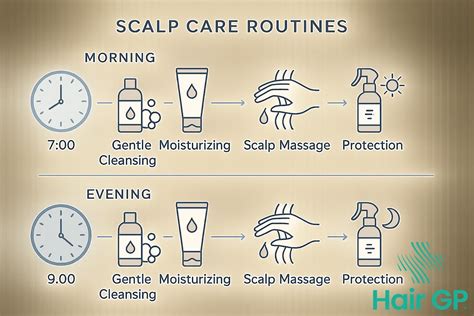
Incorporating scalp care into your morning or evening routine can be beneficial. Evening application often allows products more time for absorption. However, the most important factor is consistency, ensuring that your scalp receives regular support.
An effective hair care routine doesn’t need to be extensive. Focusing on targeted treatments and consistent application will help in achieving the goal of hair looking its healthiest.