The Quest for the Perfect Palate Cleanser
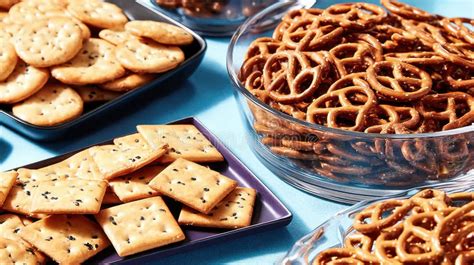
With the growing popularity of tea tastings, the question often arises: what should be used to clean the palate between each tea? Several palate cleansing tryouts were conducted to determine which option made the grade. Drawing upon significant experience with wine tasting, a systematic approach was taken. A trip to a local market resulted in the purchase of two varieties of crackers, two types of bread, and a lightly salted pretzel snack.
The Impact of Salt and Bread on Palate Cleansing
The inclusion of a pretzel snack was a deliberate choice to observe how salt affects the palate during tea tasting. The results were conclusive: salt has a detrimental effect on the palate when tasting teas of any kind. Artisan bread, often made from flour, water, salt, and sometimes oil, proved to be unsuitable. Although the bread itself might not taste overtly salty, its inherent flavor profile rendered it a poor choice for cleansing the palate.
Similar disappointing results were observed with both the water cracker and the rice cracker. This led to the question of whether any option would prove effective.
Discovering Effective Palate Cleansers
The saving grace in the initial round of testing was a traditional French baguette (not sourdough). This discovery prompted a renewed search for palate cleansers that incorporated a small amount of sugar without overwhelming flavors.
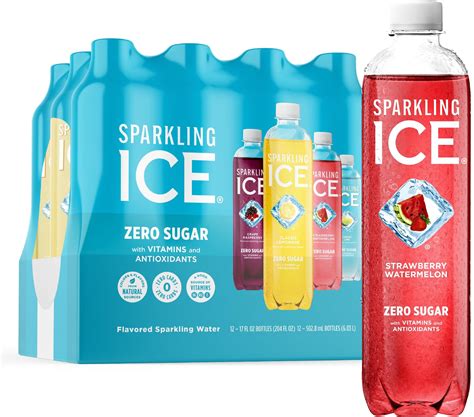
Further experimentation involved purchasing organic animal crackers, plain biscotti (without almonds), a plain shortbread cookie, and a lemon-flavored thin crisp. Additionally, sparkling water and lemon ice (crushed ice with a squeeze of fresh lemon juice) were included in the trials.
Evaluating Cookies, Lemon Ice, and Their Suitability
In the end, most of the cookies proved to be too sweet or too buttery. While these options did not necessarily make the tea taste bad, they were not ideal for the purpose of cleansing the palate.
The lemon ice emerged as the standout performer for white and green teas. The icy texture effectively "resets" the taste buds, allowing for a fresh start, while the brightness of the lemon enhanced the flavor profiles of the teas. However, the lemon ice was deemed a poor choice for stronger teas.
Recommendations for Stronger Teas
For stronger teas, it was recommended to opt for animal crackers or the French baguette, followed by a small amount of water. This combination helps to cleanse the palate, which is essential when experiencing more robust tea flavors.
Next time you select a palate cleanser, keep these findings in mind to enhance your tea tasting experience.