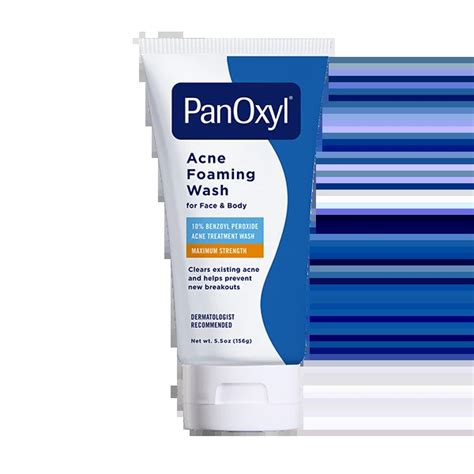
Struggling with spots? PanOxyl acne foaming wash offers a simple, science-backed way to clear your skin. Known for its powerful active ingredient and dermatologist backing, PanOxyl has become a go-to name in acne treatment. But how does it actually work? Who is it right for?
Understanding PanOxyl and Benzoyl Peroxide
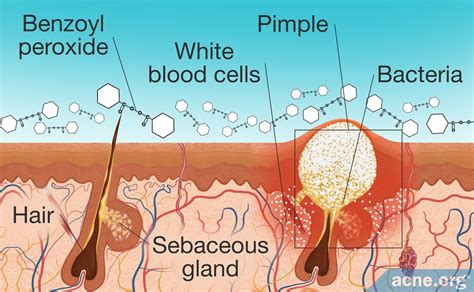
PanOxyl acne foaming wash is a topical skin cleanser containing benzoyl peroxide, one of the most effective over-the-counter treatments for acne. Benzoyl peroxide works by killing acne-causing bacteria, unclogging pores, and reducing inflammation. When applied to the skin, benzoyl peroxide in the foaming wash penetrates into the pores and breaks down the bacteria responsible for acne, primarily Cutibacterium acnes (formerly Propionibacterium acnes).
Benzoyl peroxide is commonly used to prevent and treat acne vulgaris, a type of acne that causes blackheads, whiteheads, and pimples on the face, chest, shoulders, and back. Some forms of benzoyl peroxide are also used to treat rosacea, a skin condition that can cause redness and pus-filled bumps.
How Benzoyl Peroxide Works
The mechanism of action for benzoyl peroxide involves killing bacteria and helping to remove dead skin cells. It targets the bacteria produced in and around acne lesions, with studies showing it can reduce certain strains of bacteria by 98% without causing resistance. Additionally, its keratolytic compounds help dissolve keratin in the skin's upper layers, allowing for deeper penetration and removal of dead skin cells that can clog pores.
Benefits of Using PanOxyl
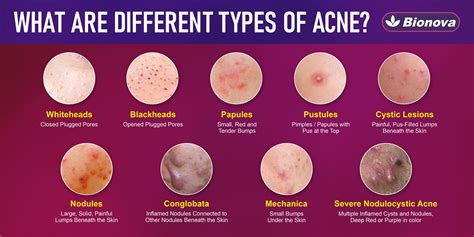
PanOxyl products, particularly those containing benzoyl peroxide, are highly effective for both inflammatory acne (red pimples) and comedonal acne (blackheads and whiteheads). They work quickly to clear acne by combating blocked follicles before they can develop into spots.
The PanOxyl Acne Treatment Bar, for example, is a soap-free cleansing bar that treats tough breakouts with 10% Benzoyl Peroxide. This multi-purpose bar can be used on the face, chest, and back, making it convenient for treating acne from head to toe. It eliminates acne-causing bacteria, clears most blackheads, whiteheads, and pimples, and helps prevent new breakouts by cleaning and unclogging pores.
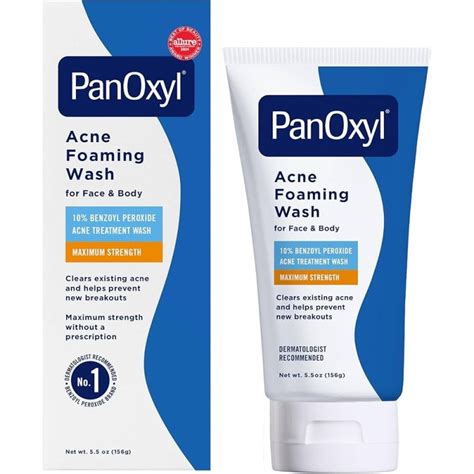
PanOxyl washes often contain moisturizers to help combat dryness, a common side effect of acne treatments. The 10% Benzoyl Peroxide in these washes helps the skin shed more effectively and keeps pores from becoming clogged, leading to less acne.
Effectiveness and Results
While PanOxyl isn't an overnight miracle, users may start to see improvements after 1-2 weeks, with full results often taking 6-8 weeks. The active ingredient, benzoyl peroxide, has proven effective over decades and is available in various strengths and formulations.
Benzoyl Peroxide for Acne [Acne Treatment]
How to Use PanOxyl Properly
Proper use of PanOxyl is key to achieving good results and avoiding irritation. It is important to read and carefully follow any instructions provided with the product. Generally, benzoyl peroxide products should be used or applied once or twice daily to the affected area, or as directed by a healthcare provider. It is often recommended to start with one application daily and increase to twice daily if needed.
Key application guidelines include:
- Wash hands after using the product.
- For foaming washes, cleanse as usual, then use the PanOxyl as a second cleanse to kill acne-causing oils and bacteria and offer deeper exfoliation. Work it into your hands with water until foamy, spread the lather across your face in circular motions, rinse, and pat dry.
- Avoid contact with the eyes, nostrils, lips, mouth, or broken skin.
- Do not use on open wounds, sunburned, windburned, dry, or irritated skin, or on areas affected by eczema.
Important considerations:
- Benzoyl peroxide can bleach hair or colored fabrics, so care should be taken to avoid getting it on bedding or clothing.
- Avoid exposure to sunlight or tanning beds, as benzoyl peroxide can increase skin sensitivity to light (photosensitivity). Use sunscreen and wear protective clothing when outdoors.
Potential Side Effects and Precautions
Like most acne treatments, PanOxyl can cause side effects, although they are often temporary and manageable. The most common side effects include:
- Pain
- Redness
- Itching
- Swelling at the site of application
- Dryness
- Flaking
- Peeling
- Stinging or burning sensation
If these side effects are severe or bothersome, contact your healthcare provider. Using a moisturizing product can help manage skin irritation. In some cases, a healthcare provider may advise stopping or reducing the frequency of use.
Serious Side Effects and Allergic Reactions
While rare, serious side effects can occur. These include severe allergic reactions (anaphylaxis, angioedema) which require immediate medical attention. Symptoms of a serious allergic reaction may include:
- Breathing problems or wheezing
- Racing heart
- Fever or general ill feeling
- Swollen lymph nodes
- Swelling of the face, lips, mouth, tongue, or throat
- Trouble swallowing or throat tightness
- Itching, skin rash, or hives
- Nausea or vomiting
- Dizziness, feeling lightheaded, or fainting
- Stomach cramps
- Joint pain
If you experience any signs of a serious allergic reaction, stop using benzoyl peroxide and seek medical help immediately.
Skin Irritation and Photosensitivity
Benzoyl peroxide can cause significant skin irritation. Symptoms may include red, peeling, dry, stinging, or burning skin. If irritation is severe or does not improve, consult a healthcare provider. Your skin may also become very sensitive to light from the sun and tanning beds (photosensitivity). This can lead to severe sunburns, blisters, or swelling. Always use sunscreen and wear protective clothing when exposed to sunlight.
Who Should Avoid or Use with Caution?
PanOxyl and other benzoyl peroxide products may not be suitable for everyone:
- Sensitive Skin: It is not ideal for dry or sensitive skin types unless used with extra caution and plenty of hydration. High concentrations of benzoyl peroxide (above 5%) can be too stripping for sensitive skin.
- Allergies: Individuals allergic to benzoyl peroxide or any other ingredients in the specific product should not use it.
- Pregnancy and Breastfeeding: It is not known if benzoyl peroxide affects pregnancy or passes into breast milk. Consult a healthcare provider if pregnant or breastfeeding.
If you are unsure whether PanOxyl is right for your skin type or condition, speak to a pharmacist or dermatologist.
Interactions with Other Treatments
Combining benzoyl peroxide with other strong topical treatments, such as retinoids (like tretinoin) or acids, may increase the risk of irritation. It is generally advised to avoid using other topical acne medicines on the same area within 1 hour before or after using benzoyl peroxide, as this can cause mild to severe irritation. However, some doctors may allow the use of benzoyl peroxide with tretinoin, often by applying tretinoin at night and benzoyl peroxide during the day. Always discuss the use of multiple acne treatments with your healthcare provider.
PanOxyl Formulations and Availability
Benzoyl peroxide is available in various forms and strengths, including creams, gels, lotions, and soaps. PanOxyl offers several formulations, such as foaming washes and treatment bars, typically containing 2.5% to 10% benzoyl peroxide. These products are widely available over-the-counter.
Storage Instructions
Benzoyl peroxide products should generally be stored at room temperature, between 68°F to 77°F (20°C to 25°C). They can tolerate brief exposure to temperatures between 59°F to 86°F (15°C to 30°C). Store in a cool, dry place away from heat and do not freeze. Keep the product tightly closed when not in use. Always check the product label for specific storage requirements.