Many people report success using topical essential oils to help their acne. While the FDA doesn’t regulate essential oils, preliminary studies suggest they might be beneficial. If you have acne and are looking for an alternative to drugstore and prescription acne treatments, you might consider essential oils.
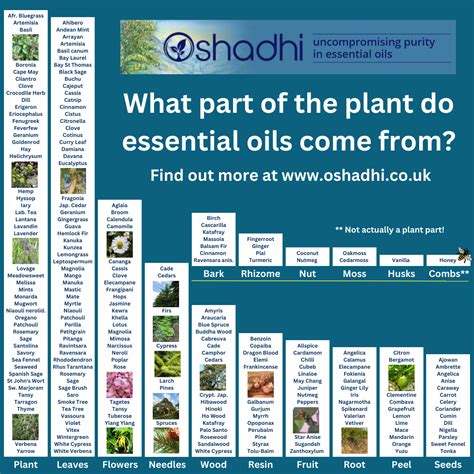
Essential oils are plant chemicals, usually extracted through steam distillation or cold-pressing, derived from various parts of plants, including stems, roots, leaves, seeds, and flowers. Plant extracts have a long history in traditional folk medicine and are also studied in modern medicine for their benefits, such as killing bacteria, one of the primary causes of acne.
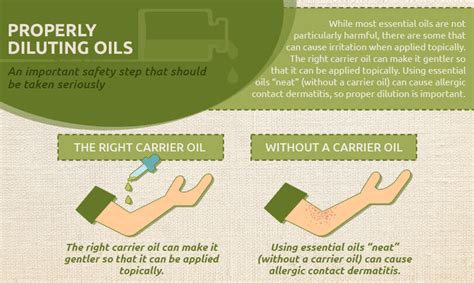
While more evidence is needed to fully understand the benefits of using essential oils for skin care, they are generally safe to try when diluted first, and you may see positive results. However, if you notice irritation or sensitivity on the skin after using essential oils, it’s best to discontinue use. Essential oils are meant to be inhaled or diluted in a carrier oil and applied to the skin. They should never be swallowed.
While research suggests health benefits, the FDA does not monitor or regulate the purity or quality of essential oils. It’s important to talk with a healthcare professional before you begin using essential oils and to research the quality of a brand’s products. Always perform a patch test before trying a new essential oil.
Understanding Acne and the Role of Essential Oils
Acne begins when skin flakes and skin oil (sebum) clog your pores. A plugged pore becomes a breeding ground for bacteria, especially Propionibacterium acnes (P. acnes) bacteria, which contributes to causing pimples. Applying a topical bacteria-killing agent to the surface of your skin is one of the treatments used for acne.
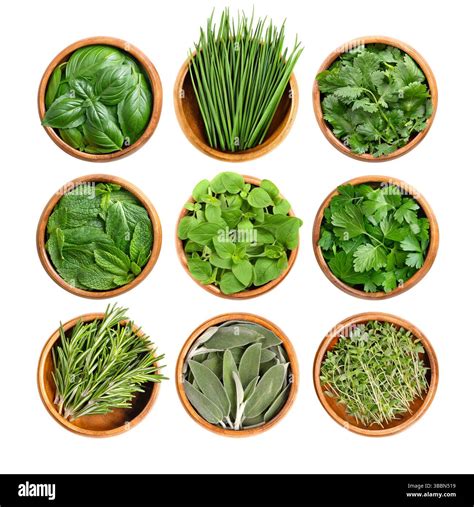
Several essential oils kill bacteria. One laboratory study found the most effective ones against P. acnes include thyme, cinnamon, and rosemary. You can purchase essential oils derived from these plants at organic-focused grocery stores, health food stores, herbal medicine stores, and numerous online retailers.
Common Essential Oils and Their Properties
Essential oils are highly concentrated natural extracts from leaves, flowers, roots, or stems, known for a wide range of medical and therapeutic properties:
- Improving stress and anxiety
- Relieving headaches and migraines
- Helping with sleep and insomnia
- Reducing inflammation
- Aiding in aromatherapy
Some of the most common essential oils include:
- Peppermint (used to boost energy and aid digestion)
- Lavender (to relieve stress)
- Sandalwood (to calm nerves and help with focus)
- Bergamot (good for reducing stress and improving skin conditions like eczema)
- Rose (to improve mood and reduce anxiety)
- Chamomile (for mood and relaxation)
- Ylang-ylang (to treat headaches, nausea, and skin conditions)
- Tea tree (used to fight infections and boost immunity)
- Jasmine (to help with depression, childbirth, and libido)
- Lemon (for digestion, mood, headaches, and more)
Safe Application of Essential Oils for Skin
Essential oils are not meant to be ingested. When applied to the skin, some plant chemicals can be absorbed. They can also be mixed with carrier oils (most commonly used to dilute essential oils) and applied directly to the skin. Because essential oils are concentrated plant chemicals, they can be very strong.
Before applying any essential oil to your skin, always read the directions first. It’s also advised to do a patch test on your inner arm to ensure the oil doesn’t cause a rash or other irritation. Apply a small amount of oil and wait 24 hours to be sure you don’t have a reaction.
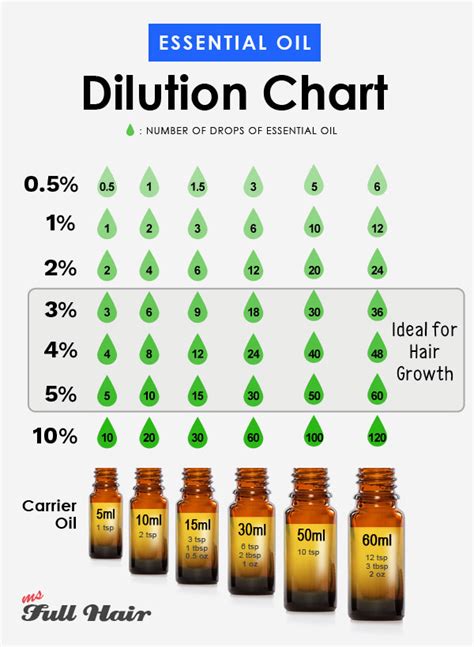
When applying an essential oil to acne, a little goes a long way. First, mix one drop of your chosen essential oil with 10 drops of carrier oil (like jojoba or almond) or water. Wash your hands with soap, then use a cotton pad or Q-tip to gently dab the oil onto a blemish. It’s best to avoid using essential oil, or any topical products, on popped blemishes.
If you are using other acne products (either over-the-counter or prescription medication), talk with your dermatologist before applying essential oils to ensure there are no interactions. You can also add essential oils to your favorite skincare products, like toners or serums.
Finally, never put essential oils in or near your eyes (even the vapors can be irritating). Also, keep them away from pets!
Specific Essential Oils with Acne-Fighting Potential
1. Thyme
In the laboratory, thyme has been shown to be effective in fighting the bacteria that cause acne. Researchers have tested the effects of thyme in a tincture, a concentrated solution steeped in alcohol, and found it to be more effective for soothing acne than popular topical treatments like benzoyl peroxide.
2. Rosemary
In lab tests, rosemary essential oil destroys acne-causing bacteria P. acnes by damaging cell walls. In addition to its antibacterial properties, rosemary can also decrease redness and puffiness, which is helpful when treating cystic acne.
3. Cinnamon
This extensively studied tree bark product has been proven effective at fighting P. acnes. It has also been reported to reduce menstrual pain and cholesterol levels, and has been shown to kill staphylococcal bacteria and E. coli.
4. Tea Tree Oil
Tea tree oil has antimicrobial, antiseptic, and anti-inflammatory properties, making it a popular essential oil for combating acne. Research shows that tea tree is also effective for wound healing, which means it can be used to help fight acne and soothe pimples, especially if they have been popped or picked.
A 2018 study found that combining tea tree oil with aloe vera and propolis was more effective at combatting acne than topical antibiotic erythromycin cream.
5. Oregano
Oregano has been tested as an acne-fighting essential oil with promising results. A 2018 study found that oregano essential oil had the strongest antimicrobial activity against P. acnes and Staphylococcus epidermidis, another major acne-associated bacteria. Using oregano oil as a spot treatment can be an effective way to clear up pimples and prevent future breakouts.
6. Lavender
Research has shown that lavender is effective for soothing skin conditions, particularly in reducing the symptoms of atopic dermatitis (eczema). While more research is needed for fighting acne directly, lavender can be useful for healing blemishes and helping to prevent acne scars. A 2016 study found that lavender essential oil increases collagen production and tissue regeneration, potentially leading to smoother skin.
7. Bergamot
Bergamot essential oil is suggested to be anti-inflammatory, meaning it may reduce swelling and shrink pimples, making it an effective spot treatment for cystic acne and blackheads. However, it shouldn’t be used in the daytime as it can make skin sun-sensitive, and it’s best tolerated by people without sensitive skin.
8. Rosehip Oil
While not an essential oil, rosehip oil is a carrier oil rich in linoleic acid (which regulates sebum production), vitamin A (which helps minimize sebum production), and vitamin C (which reduces inflammation, boosts collagen and cell turnover, and counteracts hyperpigmentation to minimize the appearance of acne scars).
9. Eucalyptus
Eucalyptus oil has anti-inflammatory properties, making it ideal for inflamed, painful acne when diluted with a carrier oil. It might be particularly good for dry skin, as it could improve ceramide production and the skin’s water-holding capacity.
10. Lemongrass
Lemongrass has antibacterial and anti-inflammatory properties, making it a potentially good option for acne. One 2014 study found that topical applications of lemongrass essential oil had powerful anti-inflammatory properties.
11. Peppermint
Because it has antibacterial properties, peppermint essential oil might be helpful for acne-prone skin. Although its ability to treat acne hasn’t been extensively studied, a 2019 study found that peppermint essential oil can fight against different kinds of harmful bacteria. It’s also often used to soothe itching on the skin, so if your skin tends to get irritable and rashy, peppermint essential oil might help.
Peppermint Oil Specifically for Pimples
Mentha Piperita, widely known as peppermint oil, has been revered for centuries as a natural beauty and wellness staple. With its distinctive fresh aroma, cooling sensation, and wide array of skincare benefits, peppermint oil has become an essential component in modern skincare routines.
Peppermint oil owes its beneficial effects primarily to two major components: menthol and menthone. Menthol, constituting approximately 40% of peppermint oil, is responsible for its famous cooling sensation. It interacts with the skin’s cold-sensitive receptors, offering instant relief to irritated or inflamed skin.
Peppermint oil is renowned for its calming effects on inflamed skin. The menthol present in the oil provides a soothing cooling sensation, instantly reducing redness and calming minor skin irritations. Individuals struggling with oily skin can particularly benefit from peppermint oil’s mild astringent properties. By gently regulating sebum production, peppermint oil prevents clogged pores and reduces shine, leading to a balanced, matte finish without over-drying the skin.
Peppermint oil is not only soothing but also possesses potent antibacterial capabilities. Clinical studies have shown peppermint oil’s efficacy in combating bacteria responsible for acne breakouts, such as Propionibacterium acnes and Staphylococcus epidermidis.
The invigorating aroma and cooling sensation provided by peppermint oil can significantly enhance your skincare routine, promoting circulation and refreshing the skin. Improved microcirculation leads to better oxygen and nutrient delivery to skin cells, encouraging overall skin health and revitalization.
How to Use Peppermint Oil for Face - Easy Guide
How to Use Peppermint Oil Safely for Acne
Is peppermint oil good for pimples? It might be. Because peppermint has a cooling effect, it’s often used to soothe pain and inflammation. Peppermint oil also has antibacterial properties. If you have sore, swollen pimples, diluted peppermint oil might bring you some relief.
How do you mix essential oils for acne? Use a noncomedogenic oil, like jojoba oil or rosehip oil, as a carrier oil. The general rule is to use 1 drop of essential oil for every 5 milliliters (ml) of carrier oil. However, some essential oils are less potent than others.
The first best way to use peppermint oil is as a spot treatment. Mix one drop of peppermint oil with a carrier oil like jojoba or sweet almond. Then, dip a clean cotton swab into the mixture and gently dab it onto the problem area. It’s best to not use essential oil, or any topical products on popped blemishes.
If you want a more balanced approach, add a drop of peppermint oil to your regular face cream. This allows your skin to enjoy its soothing and refreshing effects while avoiding dryness or irritation.
Another method is to add a few drops to a bowl of hot water, cover your head with a towel, and lean over the bowl to let the steam rise to your face. This helps open your pores, loosen dirt, and leave your skin feeling clean and refreshed.
You can apply peppermint oil on your skin by mixing one drop of it in apple cider vinegar and water. Peppermint has a cooling effect that reduces irritations and blemishes.
When applying an essential oil to acne, a little goes a long way. First, mix one drop of your favorite essential oil with 10 drops of carrier oil (like jojoba or almond) or water. Wash your hands with soap and then use a cotton pad or Q-tip to gently dab the oil onto a blemish.
Important Precautions:
- Never apply essential oils directly to your skin without diluting them first. Essential oils are highly concentrated and can cause skin irritation, contact dermatitis, or rashes if used undiluted.
- Always perform a patch test. Apply a small amount of the diluted oil to your inner arm or elbow and wait 24-48 hours to check for any adverse reactions like redness, itching, or swelling.
- Avoid contact with eyes. Even the vapors can be irritating.
- Do not ingest essential oils.
- Keep essential oils away from pets. Some essential oils can be toxic to animals.
- Consult a healthcare professional. This is especially important if you are pregnant, breastfeeding, have sensitive skin, allergies, or any underlying health conditions, or if you are taking any medications.
- Do not use on infants or young children. Menthol may affect their breathing.
When to See a Doctor for Acne
If your acne is bothering you, it might be best to see a doctor about treatment options. Although many home remedies might soothe acne, some fixes can damage your skin and cause irritation. It’s an especially good option to see a doctor about acne if you:
- Constantly have acne, even as an adult
- Feel that your confidence and self-esteem are impacted by acne
- Think your acne might be linked to a medication you use
- Have painful pimples
- Have tried home remedies with no luck
A dermatologist will be able to suggest suitable treatments for your skin, which might include dietary changes, adjustments to your skincare routine, lifestyle changes (like cutting down on cigarettes or caffeine), over-the-counter medication, or prescription medication (oral or topical).
People who shouldn’t use essential oils without a doctor’s recommendation include older adults, children younger than 12 years of age, and women who are pregnant or breastfeeding.
tags: #peppermint #for #pimples