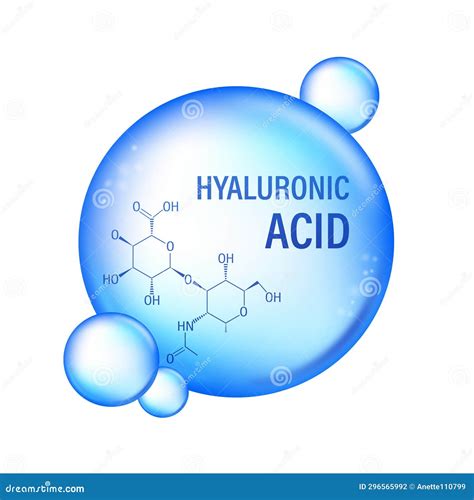
Hyaluronic acid is a prominent ingredient in the skincare world, renowned for its exceptional hydrating properties and suitability for a wide range of skin types with minimal adverse effects. This ingredient is so ubiquitous that it's likely been a component of skincare products you've used over the past decade or two. Its significance in maintaining skin health is underscored by experts in the field.
Understanding Hyaluronic Acid
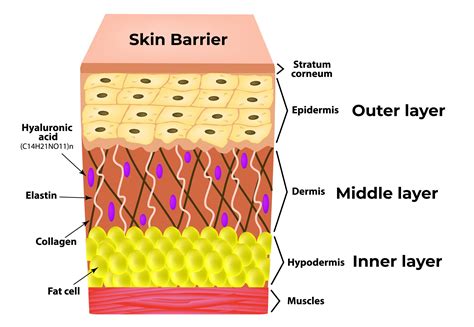
The human body naturally produces hyaluronic acid, a substance crucial for keeping skin moisturized and lubricating joints and bones. As described by dermatologists, if collagen acts as the structural "ropes" of the skin, hyaluronic acid is the surrounding substance that ensures mobility and elasticity. This understanding of its natural role provides a foundation for appreciating its benefits when used topically or as a supplement.
How Hyaluronic Acid Works
Hyaluronic acid functions as a humectant, meaning it has the remarkable ability to attract and bind to water. A single gram of hyaluronic acid can hold up to six liters of water. It hydrates and moisturizes the skin through two primary mechanisms: it can draw water from the deeper, consistently moist layers of the skin, or it can attract water from the atmosphere and deliver it into the skin's surface.
Key Benefits of Hyaluronic Acid
The topical application of hyaluronic acid offers several notable advantages for skin health and appearance:
Improving the Appearance of Fine Lines and Wrinkles
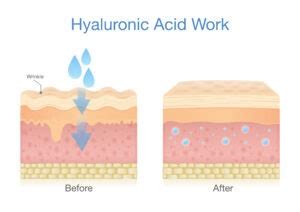
Many superficial fine lines and wrinkles are primarily caused by dryness in the skin's uppermost layer. The moisturizing effect of hyaluronic acid can temporarily diminish these lines, contributing to a dewy and radiant complexion. However, it's important to note that hyaluronic acid is not effective for deeper wrinkles caused by repeated facial muscle movements, such as those found on the forehead or around the eyes and mouth.
Plumping and Firming the Skin
As individuals age, the body's natural production of hyaluronic acid decreases, potentially leading to skin that appears drier, thinner, and more saggy. Regular use of topical hyaluronic acid can help replenish this lost moisture. The effectiveness of plumping and hydration can depend on the molecular size of the hyaluronic acid used. Larger molecules tend to remain on the skin's surface (epidermis), providing surface hydration and plumping. Smaller, lower-weight molecules may penetrate deeper into the dermis. For comprehensive hydration, products containing a blend of both low and high molecular weights are recommended. Look for terms like "multi-molecular weight" or "multi-depth hydration" on product labels.
Accelerating Wound Healing
Research suggests that hyaluronic acid can expedite the wound-healing process by attracting water and nutrients to the site of injury. This can be beneficial for improving the appearance of acne scars. Additionally, hyaluronic acid possesses antibacterial properties, which may help reduce the risk of infection when applied directly to open wounds.
Relieving Joint Pain
Hyaluronic acid is naturally present in the joints, where it lubricates the space between bones, preventing them from grinding and causing pain. Hyaluronic acid supplements have shown significant benefits for individuals with osteoarthritis, particularly in reducing knee pain. While injections into the joints can also provide pain relief, they may carry a higher risk of adverse effects. Combining oral supplements with injections may extend pain-relieving benefits.
Soothing Acid Reflux Symptoms
Hyaluronic acid, often in combination with chondroitin sulfate, may help soothe the damaged lining of the esophagus caused by acid reflux, potentially speeding up the healing process. Studies have indicated that this combination can be more effective than acid-reducing medication alone in alleviating reflux symptoms.
Relieving Dry Eye and Discomfort
Given its exceptional moisture-retaining capabilities, hyaluronic acid is a common ingredient in eye drops designed to treat dry eye symptoms and improve overall eye health. The development of contact lenses containing slow-release hyaluronic acid is also being explored as a potential treatment. While topical application is beneficial, research is ongoing to determine the effects of oral hyaluronic acid supplements on eye health.
Preserving Bone Strength
Early research, primarily in animal models, suggests that hyaluronic acid supplements may help slow the rate of bone loss and increase the activity of cells responsible for building new bone tissue. More human research is needed to confirm these promising findings.
Potentially Preventing Bladder Pain
For individuals suffering from interstitial cystitis (painful bladder syndrome), hyaluronic acid has been found to relieve pain and urinary frequency when inserted directly into the bladder via a catheter. The hypothesized mechanism involves repairing damaged bladder tissue, making it less sensitive to pain. The efficacy of oral supplements for this condition is yet to be determined.
Who Can Benefit from Hyaluronic Acid?
In general, almost everyone can consider using hyaluronic acid. It is particularly beneficial for:
- Individuals experiencing hormonal changes due to aging, such as menopause and perimenopause, which can lead to dry skin.
- Those showing signs of aging resulting from sun damage. Hyaluronic acid's hydrating properties can help strengthen the skin barrier and increase resilience to UV radiation.

Potential Side Effects and Precautions
Hyaluronic acid is generally considered very safe, with a low incidence of side effects. Allergic reactions are rare because the body naturally produces this substance. However, individuals with acne, rosacea, eczema, or sensitive skin should consult a dermatologist before incorporating it into their routine. It is also highly compatible with most skin types and other skincare ingredients like vitamin C, retinol, and niacinamide, without deactivating them.
There is no risk of "overdosing" on hyaluronic acid, though its effectiveness may decrease if the skin doesn't require additional hydration. For those unsure about its benefits, it's advisable to start with a smaller product size.
It's important for pregnant or breastfeeding individuals to exercise caution and consult with a healthcare provider, as its effects in these situations are not extensively studied. Furthermore, some research suggests that cancer cells may be sensitive to hyaluronic acid, and individuals with cancer or a history of it are generally advised to avoid supplementation.
Maximizing Hyaluronic Acid Benefits
To best utilize hyaluronic acid, consider your specific skin needs:
- Dry Skin: Opt for creams, which typically contain more oil to seal in moisture.
- Oily or Acne-Prone Skin: Choose serums to avoid excess oil and potential breakouts. Serums are highly concentrated and layer well with other products.
How To Use The Ordinary Hyaluronic Acid 2% + B5
tags: #purevia #hyaluronic #acid