Retinol and peptides stand out as two of the most significant ingredients in contemporary anti-aging skincare. Retinol is renowned for accelerating skin renewal, while peptide serums are focused on repairing and fortifying the skin. This naturally brings forth a crucial question: Can you incorporate both retinol and peptide serum into the same skincare routine? The straightforward answer is yes, but the timing, order of application, and product formulation are all critical factors to consider.
The Power of Retinol in Skincare
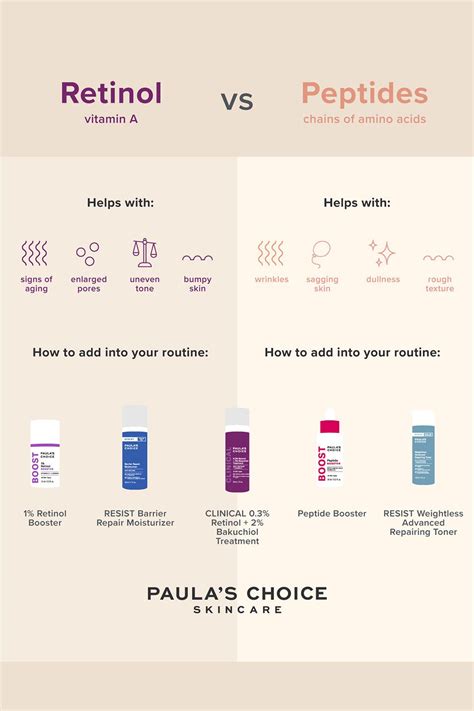
Retinol is a derivative of vitamin A that functions by enhancing cell turnover and stimulating collagen production. It is particularly effective at minimizing the appearance of pores.
However, retinol can also lead to dryness, increased sensitivity, and irritation, especially during the initial phase of use. This is precisely where peptides play an indispensable supporting role.
What Do Peptide Serums Do for the Skin?
Peptides are short chains of amino acids that act as signaling molecules within the skin. They are instrumental in supporting long-term skin repair.
In contrast to retinol, peptides are generally gentle and non-irritating, making them excellent companions in an anti-aging skincare regimen.
Is Retinol Compatible with Peptide Serums?
The answer is a resounding yes. Retinol-compatible serums largely include most peptide-based formulations. Using a peptide serum every night is a beneficial approach, as it allows for continuous skin repair without overwhelming the skin's natural barrier.
Why Peptides Are Especially Important When Using Retinol
Retinol has the potential to temporarily weaken the skin's barrier function during the initial adjustment period. Peptides, on the other hand, support gradual and lasting improvements rather than immediate overnight changes. In fact, skin firmness can be observed to improve over a period of 3-4 months with consistent use.
Can Beginners Use Retinol and Peptides Together?
Yes, this combination is actually ideal for beginners when implemented carefully. A gradual increase in usage as tolerance builds is recommended. This cautious approach protects the skin while still delivering valuable anti-aging benefits.
Final Verdict: Can You Use Retinol with a Peptide Serum?
Absolutely. Incorporating retinol with peptides is one of the most intelligent strategies for establishing an effective anti-aging skincare routine. Let's delve deeper into the benefits and practical application of this powerful skincare duo.
What's the Big Deal with Retinol?
Retinol acts as a cell turnover turbo-boost, encouraging the skin to shed old, dull cells more rapidly and bring fresh, new ones to the surface. It also aids in unclogging pores, effectively addressing a common skin concern. Essentially, retinol is an all-rounder that tackles a variety of prevalent skin issues, though it is important to acknowledge its potent nature.
And Peptides?
If retinol is the star performer, peptides are the incredibly talented and essential supporting cast that makes the entire routine exceptional. Peptides are short chains of amino acids, which are the fundamental building blocks of proteins in your skin, such as collagen, elastin, and keratin. Without these proteins, your skin would lack its structure, firmness, and elasticity.
Different peptides have distinct functions:
- Carrier Peptides: These act as delivery drivers, transporting essential elements to the skin.
- Neurotransmitter-Inhibiting Peptides: Sometimes marketed as "Botox-in-a-bottle," these peptides can help relax facial muscles, reducing the appearance of dynamic wrinkles.
- Enzyme-Inhibitor Peptides: These work by slowing down the natural breakdown of collagen in the skin.
In essence, peptides focus on supporting, rebuilding, and communicating with your skin at a cellular level.
Why the Excitement About Pairing Retinol with Peptides?
The synergy between retinol and peptides offers several key advantages:
Retinol Paves the Way
As mentioned, retinol accelerates cell turnover by shedding older, tougher outer layers of skin. This "exfoliating" action can actually help your peptides penetrate deeper into the skin, allowing them to work more effectively.
Peptides Soothe and Support
Retinol, particularly when you are first starting to use it, can sometimes cause mild irritation, leading to potential dryness, redness, or flakiness (often referred to as "retinization"). Many peptides possess soothing and hydrating properties, and some can even help strengthen your skin barrier, making it more resilient to retinol's intensity.
Double Trouble for Aging Concerns
Retinol is known for stimulating collagen production. Peptides also frequently aim to stimulate collagen or provide the necessary building blocks for it. Using them together can offer a multi-pronged approach to combating fine lines, wrinkles, and loss of firmness.
Enhanced Radiance
With retinol revealing fresh new skin and peptides working to hydrate and plump, the overall effect can be a significant boost in skin radiance.
How to Layer Your Skincare Products in an Anti-Aging Skincare Routine
How to Integrate Retinol and Peptides into Your Routine
You're convinced, and ready to incorporate these powerhouses. Here’s how to do it effectively:
Retinol = Night Owl
Most dermatologists and skincare experts recommend using retinol at night. This is primarily because sunlight can degrade certain forms of retinol, reducing their efficacy.
Peptides = Flexible Friend
Peptides are generally quite versatile and can be used in the morning, at night, or even twice daily. The order in which you apply your products is important:
- Start by thoroughly cleansing your face.
- Apply your peptide serum.
- Allow it to absorb for a minute or two.
- Follow up with a good moisturizer.
What About Products That Combine Both?
Some advanced skincare formulas now include both retinol and peptides. These products are expertly formulated by chemists to ensure stability and efficacy, simplifying the layering process for you.
Important Considerations for Beginners
If retinol is new to your skincare routine, it is absolutely essential to introduce it slowly. Pay close attention to how your skin responds. Mild dryness or minor flaking can be normal initially as your skin adjusts to retinol (a process known as "retinization"). Patience is your most valuable asset during this phase.
Interactions with Other Skincare Ingredients
It's crucial to be aware of potential interactions with other active ingredients:
- Vitamin C (L-Ascorbic Acid Form): This is a somewhat debated topic. While some experts believe they are compatible, others advise caution. Pure L-Ascorbic Acid is most effective at a low pH, whereas retinol prefers a more neutral pH. The easiest and safest workaround is to use Vitamin C in the morning (it also acts as an excellent antioxidant to complement SPF!) and retinol at night.
- Benzoyl Peroxide: This common acne-fighting ingredient can sometimes deactivate certain forms of retinol if used concurrently.
The key takeaway is that when retinol is part of your nighttime routine, keep that routine relatively simple, especially when you are just starting out.
Caring for Your Skin During Retinol Use
During the adjustment period with retinol, it's vital to be gentle with your skin. Switch to a very mild, bland routine: use a gentle cleanser, a soothing, barrier-repairing moisturizer, and always apply SPF in the morning. Keep it simple.
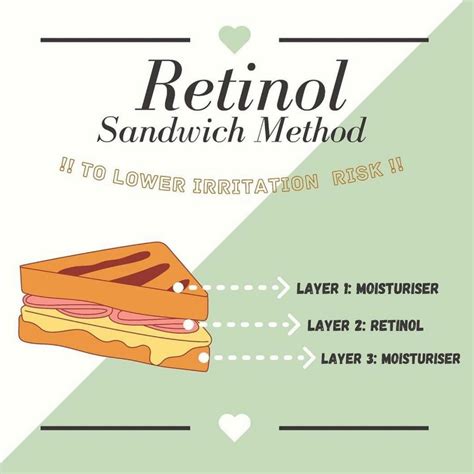
When you are ready to reintroduce retinol, start again slowly, perhaps once a week, using buffering techniques like the "sandwich method" (applying moisturizer before and after retinol). Your skin barrier is precious and deserves careful attention.
Specific Peptide Types and Their Role with Retinol
- Signal Peptides (e.g., Palmitoyl Tripeptide-5, Palmitoyl Tetrapeptide-7, Matrixyl): These are your collagen boosters! Since retinol is already stimulating collagen, these peptides provide an additional "nudge" or the necessary building blocks. Retinol's enhanced penetration can allow these peptides to reach deeper layers where they can effectively send their signals.
- Copper Peptides (GHK-Cu): Copper peptides are remarkable for wound healing, collagen production, and possess antioxidant and anti-inflammatory benefits. The modern approach suggests that well-formulated products can allow them to be used in the same routine, though perhaps not layered immediately on top of each other. For maximum safety with retinol, you could consider using copper peptide serums in the morning and retinol at night. If applying at night, allow the copper peptide serum to fully absorb (15-30 minutes) before applying retinol to minimize direct interaction. Alternatively, look for products specifically formulated to combine them or use them on alternate nights.
- Soothing Peptides (e.g., Dipeptide-2, Acetyl Tetrapeptide-5): Some peptides are specifically designed to calm irritation and reduce puffiness, which can be particularly helpful when introducing retinol.
Applying Retinol and Peptides to Other Areas
- Neck and Décolletage: These delicate areas often exhibit signs of aging before the face. However, the skin here is thinner and can be more sensitive. If you extend your retinol and peptide use to these areas, start with extra caution and use lower concentrations.
- Hands: Our hands are constantly exposed to environmental factors and can show age spots, thinning skin, and wrinkles. Consistency is your secret weapon.
Consistency is Key
Skipping applications or using products sporadically will not yield the desired results. Stick to your routine once you have established what works for your skin, and trust the process.
Addressing Common Myths
- Myth: Retinol and most peptides are not compatible.
Truth: Generally, no. Most common peptides (like signal peptides) are stable and compatible with most forms of retinol in well-formulated products or when layered appropriately. The primary concern used to be with copper peptides and certain actives, but formulation advancements and application methods can mitigate this risk. - Myth: You absolutely cannot use retinol and peptides together in the same routine.
Truth: It's more nuanced. While direct, simultaneous application of high-concentration, pure forms might have had historical contraindications, modern formulations and careful application strategies (like separating by time or using combination products) make it very feasible and beneficial. - Myth: Retinol and peptides do the same thing.
Truth: While retinol is a powerhouse, peptides offer different and complementary benefits. Retinol excels at cell turnover and collagen stimulation via one pathway; peptides can offer additional signaling, provide building blocks, soothe, or target different aspects of skin health. - Myth: Beginners cannot use retinol and peptides together.
Truth: Not if you do it correctly! The key is to introduce retinol slowly, select appropriate peptide products (perhaps soothing ones initially), listen to your skin's signals, and ensure adequate moisturization.
Adjusting Your Routine
Be prepared to make adjustments to your routine as needed. For instance, you might need to reduce the frequency of retinol use during winter months when your skin tends to be drier. There is no single, one-size-fits-all approach.
Layering Smartly
When layering products, a general guideline is to apply lighter serums (often peptides) before heavier creams (often retinol, if in cream form). Alternatively, you can apply retinol first, followed by a moisturizer.