A chemical peel is a skin-resurfacing procedure that involves applying a chemical solution to the skin to remove its outermost layers. The regenerated skin is typically smoother. Chemical peels are employed to address wrinkles, discolored skin, and scars, most commonly on the face. They can be performed as standalone treatments or in conjunction with other cosmetic procedures and are available in varying depths, from light to deep.
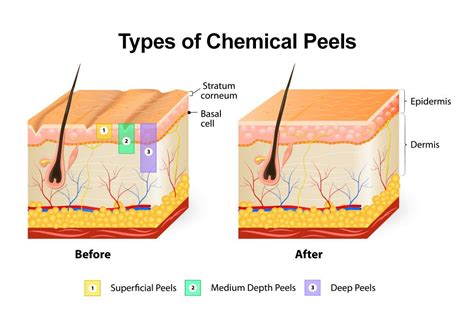
Types of Chemical Peels
Chemical peels are categorized by their depth of penetration:
Light Chemical Peel
A light (superficial) chemical peel targets the outer layer of the skin, the epidermis. It is used to treat fine wrinkles, acne, uneven skin tone, and dryness.
Medium Chemical Peel
A medium chemical peel removes skin cells from the epidermis and extends into the upper portion of the dermis, the middle layer of the skin. This type is effective for treating wrinkles, acne scars, and uneven skin tone.
Deep Chemical Peel
A deep chemical peel penetrates even further into the skin layers. A doctor may recommend this for deeper wrinkles, scars, or precancerous growths. Deep peels often utilize carbolic acid (phenol).
Potential Complications of Chemical Peels
While chemical peels can offer significant improvements, they also carry potential risks and complications. It is crucial to discuss these thoroughly with a qualified medical professional.
Common Side Effects
- Redness, Scabbing, and Swelling: Normal healing after a chemical peel involves redness of the treated skin, which may be accompanied by scabbing and swelling, particularly with deeper peels.
- Flaking and Peeling: Flaking and peeling are expected side effects as the damaged skin sheds. It is important not to pick at the peeling skin, as this can lead to infection and scarring.
Less Common but More Serious Complications
- Scarring: Rarely, a chemical peel can result in scarring, most typically observed on the lower part of the face. Antibiotics and steroid medications may be used to improve the appearance of these scars.
- Changes in Skin Color: A chemical peel can cause the treated skin to become darker than normal (hyperpigmentation) or lighter than normal (hypopigmentation). Hyperpigmentation is more frequently seen after superficial peels, while hypopigmentation is more common after deep peels.
- Infection: There is a risk of bacterial or fungal infections following a chemical peel.
- Milia and Acne Eruptions: Some individuals may experience the development of milia or acne eruptions.
- Flare-up of Herpes Virus: Chemical peels can trigger a recurrence of the herpes virus, leading to cold sores.
- Heart, Kidney, or Liver Damage: Deep chemical peels using carbolic acid (phenol) carry a risk of systemic toxicity. Phenol can be absorbed into the bloodstream, potentially damaging the heart muscle, causing irregular heartbeats, and harming the kidneys and liver. Close monitoring of vital signs is essential during these procedures.
Preparing for a Phenol Peel
Proper preparation is key to optimizing results and minimizing risks. It is essential to choose a qualified practitioner and follow their specific pre-treatment instructions.
Choosing a Doctor
Select a doctor with extensive knowledge of the skin and the procedure, such as a dermatologist or dermatologic surgeon. The expertise of the person performing the peel significantly influences the results and safety.
Medical History and Consultation
Review your medical history thoroughly with your doctor. Engage in an open discussion about your motivations, expectations, and the potential risks involved. A physical exam will also be conducted.
Pre-Treatment Regimen
- Antiviral Medication: You may be prescribed antiviral medication to prevent herpes simplex virus outbreaks.
- Retinoid Cream: Use of a retinoid cream may be recommended to prepare the skin.
- Bleaching Agent: In some cases, a bleaching agent might be prescribed to help prevent pigmentation issues.
- Sun Protection: Avoid unprotected sun exposure, as excessive sun exposure before the procedure can lead to permanent irregular pigmentation in the treated areas.
- Avoid Certain Cosmetic Treatments: About a week before the peel, cease hair removal techniques like electrolysis or depilatories. Also, avoid hair dyeing treatments, permanent-wave or hair-straightening treatments, facial masks, or facial scrubs.
What to Expect During and After a Phenol Peel
Phenol peels are considered one of the most intensive chemical peel treatments, requiring careful management during and after the procedure.
During the Procedure
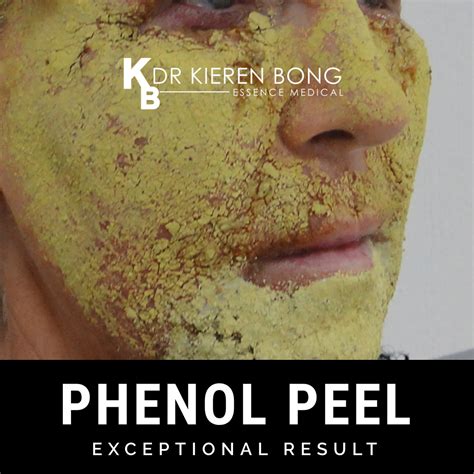
Phenol peels are typically performed in an office or outpatient surgical facility. Due to the intensity of the peel, pain relief is often necessary. Your doctor will apply a chemical solution containing carbolic acid (phenol) to your skin. To limit your exposure to phenol and manage potential systemic effects, the procedure is often performed in portions at approximately 15-minute intervals. In some cases, IV sedation may be administered.
After the Procedure
Following a phenol peel, significant redness and swelling are expected. Your skin will likely feel tight and irritated. Proper aftercare is crucial for optimal healing and to minimize complications.
- Skin Appearance: Expect severe redness and swelling. Treated areas will develop new skin within about two weeks, though redness might persist for months.
- Surgical Dressing: Your doctor will likely apply a surgical dressing to the treated skin.
- Pain Management: Painkillers may be prescribed to manage discomfort.
- Sun Protection: Strict sun protection is paramount. Your skin will be highly sensitive to sunlight for several months following the procedure.
- Cleansing and Moisturizing: Follow your doctor's directions for cleansing, moisturizing, and applying protective ointments. Keeping the skin moisturized is essential for healing and comfort.
- Avoid Picking and Rubbing: Do not pick, rub, or scratch your skin, as this can lead to infection and scarring.
- Cosmetics: Once new skin completely covers the treated area, cosmetics can be used to conceal any residual redness. It is generally advised to avoid makeup for at least two weeks post-procedure to allow proper healing.
Recovery and Results
The recovery period for a phenol peel is lengthy, and the results, while dramatic, require careful management.
Recovery Timeline
Recovery from a phenol peel typically takes two to three weeks. However, redness and skin sensitivity can persist for several months. Some sources indicate a full recovery can take anywhere from 6 to 8 weeks.
Long-Term Results
Phenol peels are known for delivering remarkable transformations, addressing deep wrinkles, severe sun damage, and stubborn scars. They stimulate collagen production and can lead to dramatic improvements in skin texture and tone. Some studies suggest that the results of phenol peels can be maintained for decades, offering permanent improvements by undoing previous skin damage, though the skin will continue to age chronologically.
Cost of Phenol Peels
Due to their intensity and the significant, long-lasting results, phenol peels can be costly, ranging from approximately $1,000 to $6,000, depending on factors such as location, the need for sedation, and the extent of the treated area.
Who is a Candidate for a Phenol Peel?
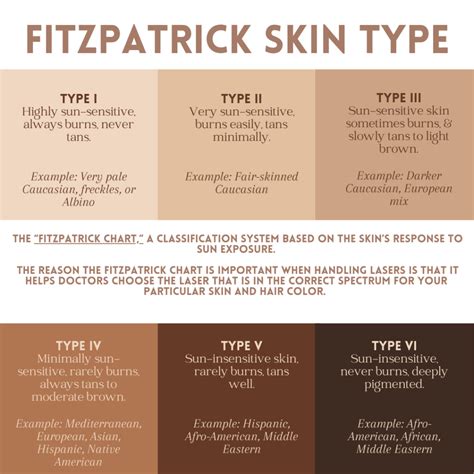
Phenol peels are not suitable for everyone. They are generally recommended for individuals with moderate to severe skin damage, deep lines and wrinkles, moderate to severe acne scarring, or significant photoaging. Individuals with Fitzpatrick skin types I-III are typically better candidates, as phenol peels can cause significant skin lightening, making them less suitable for darker skin tones due to the increased risk of hypopigmentation. Those with melasma or rosacea should proceed with caution, as symptoms can sometimes be exacerbated.
tags: #phenol #peel #complications