The Pico Laser represents a significant advancement in dermatological technology, offering a versatile and highly effective solution for a wide spectrum of skin concerns. This innovative treatment utilizes ultra-short laser pulses, measured in picoseconds (trillionths of a second), to target and break down pigment particles and stimulate the skin's natural rejuvenation processes. Its primary applications include addressing various pigmentation issues, treating acne scars, and removing tattoos.
Understanding Pico Laser Technology
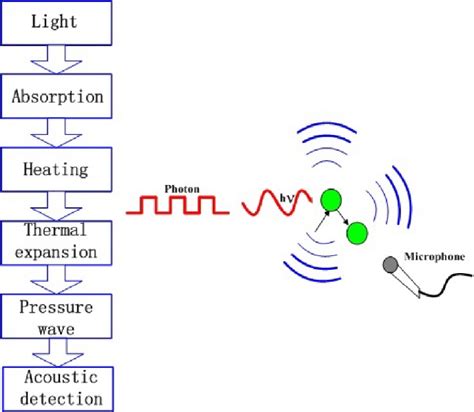
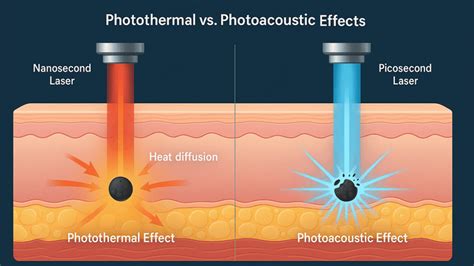
At its core, Pico Laser technology operates on the principle of delivering energy in extremely short pulses. Unlike traditional nanosecond lasers, which rely heavily on heat (photothermal effect), Pico Lasers primarily utilize a photoacoustic effect. This means the laser energy creates mechanical shockwaves that shatter pigment particles into ultra-fine fragments. These microscopic particles are then naturally eliminated by the body.
This mechanism is crucial because it minimizes the conversion of laser energy into heat. Consequently, there is a significantly reduced risk of thermal damage to the surrounding skin, leading to fewer side effects such as burns, hyperpigmentation, or excessive peeling.
The Science Behind Pico Laser
The effectiveness of Pico Laser treatments stems from two key scientific processes:
- Laser-Induced Optical Breakdown (LIOB): When picosecond laser pulses reach a high intensity, they generate free electrons. This leads to LIOB, where the escalated electron density forms plasma that absorbs more laser energy. This process instigates renewal processes within the skin.
- Collagen and Elastin Stimulation: Pico Laser treatments are designed to enhance the synthesis of collagen and elastin, vital proteins responsible for skin's integrity, suppleness, and youthful appearance.
Key Applications of Pico Laser Treatment
Pico Laser technology is a versatile tool capable of addressing numerous aesthetic concerns:
Pigmentation Issues
The Pico Laser is particularly adept at treating various forms of unwanted pigmentation. Its precision allows it to target melanin in specific areas without harming the surrounding skin, making it an excellent option for sensitive skin or individuals prone to post-laser dark marks. Common pigmentation concerns addressed include:
- Melasma: A common condition causing brown to grey-brown patches on the face.
- Freckles: Small, scattered brown spots.
- Sun-Induced Dark Spots: Also known as solar lentigines, these appear due to sun exposure.
- Acne Marks: Post-inflammatory hyperpigmentation left after acne breakouts.
- Age Spots: Similar to sunspots, these appear with age.
Acne Scars and Uneven Texture
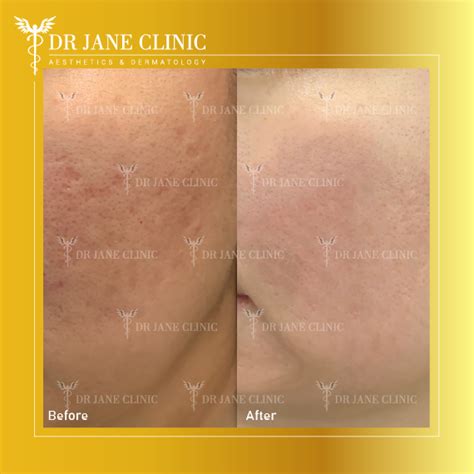
As collagen levels naturally decrease with age, skin can appear dull and saggy. Pico Laser treatment can help combat this by stimulating collagen production. It is effective in treating shallow to moderate acne scars, such as:
- Boxcar scars
- Rolling scars
By promoting skin regeneration from within, the Pico Laser helps to improve overall skin texture and reduce the appearance of enlarged pores.
Tattoo Removal
Pico Lasers have revolutionized tattoo removal. They efficiently break down pigment-rich tattoo inks into much smaller fragments than older laser technologies, allowing the body to eliminate them more effectively. This applies to a wide range of colors, including black, blue, green, red, yellow, and orange inks, although multiple sessions are typically required for complete removal.
PicoSure(™) Laser Tattoo Removal Explained With Full Demo
Skin Rejuvenation and Toning
The Pico Laser can also be used for general skin rejuvenation and toning. A specialized "toning mode" disperses energy evenly across the face, brightening the skin tone and improving overall radiance without causing peeling. This treatment penetrates the dermis to stimulate collagen without damaging the surface layer.
The Pico Laser Treatment Experience
What to Expect During Treatment
Before the procedure, a consultation with a qualified dermatologist or healthcare provider is essential. During this consultation, your skin concerns, medical history, and treatment goals will be discussed, and your skin will be assessed to determine suitability for Pico Laser treatment. Protective eyewear will be provided.
During the session, patients may experience mild sensations such as a light snapping feeling, mild warmth, or a slight sting as the laser is applied. Some describe it as feeling like tiny, rapid pinpricks or the flick of an elastic band on the skin. The practitioner will adjust the laser settings as needed to target your specific concern.
Pain and Discomfort
While individual pain tolerance varies, most patients find the Pico Laser treatment to be relatively comfortable. The photoacoustic effect, which avoids significant thermal damage, contributes to minimal discomfort compared to traditional laser treatments. Topical anesthetics are generally not required, though they may be offered for sensitive individuals.
Downtime and Recovery
One of the most significant advantages of Pico Laser treatment is its minimal to non-existent downtime. Most patients can return to their normal daily activities immediately or within a day after the session. Some temporary redness or mild swelling may occur but typically subsides within a few hours to 24 hours. Mild peeling, like dead skin flaking, is also possible but not universal.
Pico Laser vs. Other Treatments
Pico Laser vs. IPL
While both Pico Laser and Intense Pulsed Light (IPL) target pigmentation, they differ significantly. Pico Laser uses precise, ultra-short pulses for targeted pigment breakdown with less heat, making it safer for darker skin tones and reducing the risk of burns. IPL, on the other hand, uses a broader spectrum of light, can cover larger areas, but is generally less precise, potentially more uncomfortable, and carries a higher risk for darker skin types.
Pico Laser vs. Fraxel Laser
Fraxel lasers also stimulate collagen but do so through controlled thermal damage, creating microscopic columns of injury. This results in more dramatic improvements for deeper wrinkles and significant sun damage but typically requires 2-3 days of downtime, with the treated skin feeling like a sunburn. Pico Laser, with its photoacoustic approach, is better suited for pigment concerns, mild texture issues, and tattoo removal with minimal downtime.
Treatment Areas and Customization
Pico Laser treatments are not limited to the face. They can effectively address concerns on various body parts:
- Cheeks: Prone to melasma, freckles, dark spots, and acne marks.
- Forehead: Commonly affected by acne marks and scattered dark spots.
- Chin: Often experiences inflammatory acne, dark marks, and mild scarring.
- Nose: Issues like acne marks and enlarged pores.
- Back of hands, arms, legs, inner elbows/knees: Affected by sun-induced freckles or dark spots.
- Back, chest, shoulders: Ideal for post-acne dark spots or accumulated pigmentation.
Before treatment, a doctor will assess the individual’s skin condition to customize the treatment plan, including selecting the appropriate Pico Laser machine and settings.
Safety and Suitability
Pico Lasers are considered safe for all skin types, including darker skin tones, due to their low heat generation and minimal risk of hyperpigmentation or scarring. However, individuals with active skin infections, excessive or sagging skin, or those who are pregnant are typically not recommended for treatment. Avoiding tanning beds and excessive sun exposure in the weeks leading up to and following treatment is crucial.
Results and Cost
When to Expect Results
Visible improvements can often be seen after just one session, especially for mild pigment concerns. However, for more significant issues like acne scars or stubborn pigmentation, most patients require a series of 3 to 5 sessions, or more, spaced several weeks apart, to achieve their desired results. Results from scar, tattoo, or hyperpigmentation removal can be permanent, while concerns like fine lines may reappear over time.
Cost of Treatment
The typical cost of a single Pico Laser treatment can vary significantly, ranging from approximately $300 to $1,500 USD (or equivalent in local currency, e.g., 3,000-10,000 THB per session in Thailand). Factors influencing the price include the clinic's location, the specific Pico Laser brand used, the treatment area (full face vs. smaller areas), the number of sessions required, and the practitioner's experience level. Many clinics offer package deals for multiple sessions.