Plantar warts are a common and often troublesome condition, affecting the soles of the feet. Caused by the human papillomavirus (HPV), these lesions can be painful and resistant to conventional treatments. Fortunately, modern medicine offers advanced solutions, with laser wart removal emerging as a highly effective option.
Understanding Plantar Warts
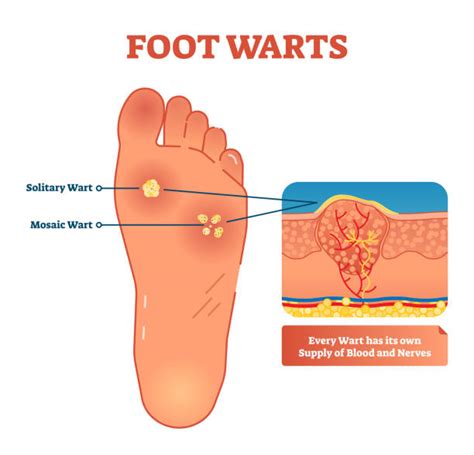
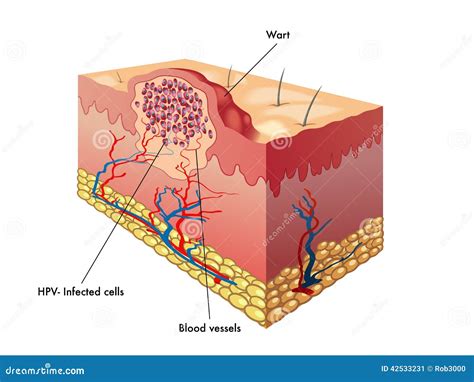
Plantar warts are distinct from warts found on other parts of the body. They typically appear on the bottom of the feet and can sometimes form in clusters, referred to as mosaic warts. The underlying cause is a specific strain of HPV that infects the skin, often entering through small cracks or breaks in the skin's surface. The constant pressure from body weight when walking makes plantar warts particularly uncomfortable. They thrive in warm, moist environments, making areas like swimming pool decks and shared shower facilities common sites of transmission.
While warts can be unsightly and cause discomfort, it's important to remember that effective treatment options are available. Whether considering laser therapy or other advanced methods, relief is possible.
Traditional vs. Modern Wart Treatments
Many individuals initially attempt to treat plantar warts at home using over-the-counter products. However, these methods can be slow to work, often painful, and may not fully eradicate the wart, leading to frequent recurrence. Traditional in-office procedures include:
- Salicylic Acid: Available in prescription strengths, these medications work by gradually removing the wart layer by layer.
- Cryotherapy: This involves applying liquid nitrogen to freeze the wart, causing a blister to form and the dead tissue to slough off. It may also stimulate the immune system.
- Surgical Excision: The wart is cut away or destroyed using an electric needle. This method can be painful and carries a risk of scarring, so it's typically reserved for cases where other treatments have failed.
- Blistering Medication: A medication like cantharidin is applied to create a blister beneath the wart.
- Immunotherapy: This approach uses medications or solutions to stimulate the body's immune system to fight the viral infection.
While these methods can be effective, they often have limitations in terms of speed, pain, recurrence rates, or potential for scarring. Laser wart removal offers a compelling alternative.
Laser Treatment for Plantar Warts: How It Works
Laser wart removal utilizes concentrated light energy to precisely target and destroy wart tissue. There are several types of lasers used for this purpose, each with a slightly different mechanism:
Ablative Lasers
Ablative lasers work by burning the wart from the surface. They emit far-infrared light that vaporizes the water-containing cells in the epidermis, the outermost layer of the skin. This procedure creates an open wound that typically takes 1-2 weeks to heal. One or two sessions are often sufficient for ablative laser wart surgery to be effective.
Non-Ablative Lasers
Non-ablative lasers target the wart's blood vessels from the inside. They emit light that heats and destroys these vessels, causing the wart to dry up within days. This method does not leave open wounds, thus reducing the risk of scarring. However, a blister may form and take 1-2 weeks to scab and fall off.
Specific Laser Technologies
- Vbeam Laser: This common procedure uses yellow laser energy to specifically target and destroy hemoglobin, the red pigment in blood vessels. Because melanin (the skin's main pigment) is also sensitive to yellow light, precise targeting is crucial.
- Neodymium (Nd:YAG) Laser: This is a non-ablative laser that emits near-infrared light. While hemoglobin is less sensitive to this wavelength, melanin is even less affected, allowing for targeted treatment of blood vessels with minimal impact on surrounding skin pigments.
Laser vs. Swift Therapy
Another advanced treatment option is Swift Therapy, an FDA-approved method that uses microwave energy to target the HPV virus. While both laser treatment and Swift Therapy aim to eliminate the virus, they employ different energy sources. Laser therapy uses light waves, whereas Swift Therapy uses microwave energy.
Benefits of Laser Wart Removal
Laser treatment for plantar warts offers several significant advantages:
- High Efficacy: Studies consistently show laser surgery to be more effective than many other HPV treatments, achieving high clearance rates, often up to 100% for various non-resistant wart types.
- Precision Targeting: Lasers are precise tools that exploit the different light spectrum sensitivities of skin tissues to eliminate warts without damaging surrounding healthy areas.
- Reduced Recurrence: Compared to manual wart removal or cryotherapy, laser treatment often results in a lower rate of recurrence because it can penetrate deeper to eliminate the wart's root structure.
- Minimal Scarring: Non-ablative lasers, in particular, do not cut the skin, significantly reducing the risk of scarring.
- Shorter Downtime: Recovery is often quicker with laser treatment, allowing patients to return to normal activities sooner.
- Less Pain: While some discomfort is possible, techniques like built-in cooling mechanisms in non-ablative lasers and local anesthesia for more invasive procedures help manage pain effectively. Many patients experience only mild discomfort.
Is Laser wart removal painful or temporary
What to Expect During and After Treatment
The laser wart removal process typically involves the following steps:
- Consultation: A healthcare provider will perform a thorough examination to confirm the diagnosis and determine if laser surgery is the right option. They will discuss the treatment plan, including the type of laser to be used.
- Preparation: Before the procedure, the treatment area is cleaned. Patients are advised to wash and keep the lesion site clean.
- Treatment: The laser device is positioned over the wart, delivering controlled energy pulses. Non-ablative lasers often have built-in cooling mechanisms to enhance patient comfort.
- Post-Treatment Care: After the session, the treated area is cleaned, and an ointment and bandage may be applied. Patients receive aftercare instructions, including how to gently cleanse the area, moisturize it, and protect it from the sun. For ablative laser treatments, specific wound care instructions are provided.
Potential Side Effects and Recovery
In the initial days following treatment, some inflammation, mild pain, swelling, and redness are normal. These are typical body reactions to the procedure. For ablative laser treatments, keeping the wound moist is crucial to prevent scabbing and promote healing, which usually takes two weeks or less for the epidermis to regrow.
Patients who undergo non-ablative laser therapy often experience the wart drying up with minimal inflammation or discoloration. Downtime is generally short. Occasional blistering or bruising may occur, typically resolving within 1-2 weeks.
It is essential that a licensed specialist performs the procedure to ensure effectiveness and minimize risks.
Risks and Considerations
While laser wart removal is generally safe and effective, there are potential risks and considerations:
- Cost: The upfront cost of laser treatment can be higher compared to over-the-counter options. However, the long-term cost may be lower due to fewer treatment sessions and a reduced risk of recurrence.
- Pain Control: While often manageable, some pain control measures, such as skin cooling or local anesthesia, may be necessary depending on the laser type and patient tolerance.
- Laser Plumes: Laser plumes generated during treatment can contain viable wart virus DNA, necessitating proper safety protocols and ventilation in the treatment room.
- Eye Protection: Wearing appropriate eye protection during laser therapy is crucial to prevent potential eye damage.
- Provider Expertise: The experience and skill of the provider are paramount for successful outcomes and minimizing side effects.
- Contraindications: Certain medical conditions can lead to complications. A thorough medical evaluation is necessary to ensure laser surgery is appropriate for each patient.
Preventing Wart Recurrence
Preventing warts is key to avoiding further treatment. Practicing good hygiene, such as not sharing personal items, and moisturizing regularly to strengthen the skin barrier can help reduce the risk of infection and recurrence.