The skin around our eyes is particularly delicate and often the first to show signs of aging, fatigue, and lifestyle impacts. Fine lines, wrinkles, dark circles, and puffiness are common concerns that many individuals seek to address. While numerous over-the-counter eye creams are available, prescription-strength formulations and targeted ingredients offer more potent solutions for these delicate areas.
The Science Behind Eye Cream Effectiveness
Scientific research indicates that eye creams, especially those containing specific active ingredients, can effectively reduce the visible effects of aging and fatigue around the eyes. Ingredients like hyaluronic acid, peptides, antioxidants, and retinoids are frequently found in these specialized products. These components are formulated to be gentle enough for the under-eye area while potent enough to improve its appearance. They can target concerns such as:
- Skin elasticity
- Dryness
- Inflammation
- Hyperpigmentation
- Wrinkles
- Collagen production
The effectiveness of an eye cream is highly dependent on the specific concern being addressed and the ingredients it contains. For instance, some ingredients are designed to combat hyperpigmentation, while others focus on reducing wrinkles. Consistent and proper use is also crucial for achieving the best results.
When selecting an eye cream, it is important to identify your primary concerns. Consulting with a healthcare provider and conducting personal research can help you find a product that best suits your needs.
Key Ingredients That Power Under-Eye Creams
Eye creams often contain specialized ingredients designed to nourish and restore the sensitive skin around the eyes. Some of the most beneficial ingredients to look for include:
- Peptides: These are specialized proteins that serve as the building blocks for collagen and elastin, helping to improve skin fullness.
- Ceramides: These fatty acid compounds act as emollients, forming a barrier that locks in moisture and prevents dryness.
- Niacinamide (Vitamin B3): This ingredient offers antioxidant, brightening, and hydrating benefits.
- Coenzyme Q10 (CoQ10): A powerful antioxidant naturally produced by the body, CoQ10 helps protect skin from sun damage and reduce the appearance of wrinkles. Its production declines with age.
- Hyaluronic acid: A humectant that attracts and retains moisture, providing significant hydration to dry skin.
- Glycerin: Another humectant that moisturizes and hydrates, forming a protective barrier on the skin's surface.
- Alpha hydroxy acids (AHAs): Gentle exfoliating acids, such as lactic and glycolic acid, that improve skin texture, tone, and smooth fine wrinkles.
- Ferulic acid: An antioxidant that enhances the efficacy of other antioxidants and helps minimize fine lines.
- Ellagic acid: Found in fruits and berries, this antioxidant brightens the skin's appearance.
- Vitamin C: A classic antioxidant that supports collagen production and brightens the skin.
- Vitamin E: Known for its moisturizing and soothing properties.
- Vitamin K: Sometimes included to improve circulation and reduce the appearance of dark circles.
- Caffeine: Helps to decrease puffiness and constrict blood vessels.
- SPF (Sun Protection Factor): Essential for preventing sun damage and the formation of wrinkles.
- Retinoids and Retinol: Derivatives of vitamin A that significantly reduce the appearance of wrinkles by accelerating cell turnover and stimulating collagen production. Retinol, a gentler form, is often preferred for the delicate eye area.
It is important to note that eye creams containing retinoids can sometimes cause irritation. They should be used with caution on the delicate under-eye skin, and usage should be reduced or discontinued if irritation occurs.
Can Eye Creams Reduce Wrinkles?
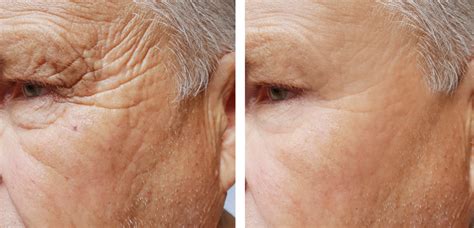
As the skin ages, it naturally produces less oil, loses elasticity, and experiences a decline in collagen and elastin. This can lead to the formation of fine lines and wrinkles. Eye creams formulated with emollients can help plump the skin, diminishing the appearance of wrinkles. Retinoids are particularly effective in reducing fine wrinkles and restoring a more youthful look to the skin. Humectants and moisturizers are also vital for maintaining hydration. Ingredients that support collagen production, such as vitamin C and specialized peptides, can help maintain skin elasticity and combat wrinkles and crow's feet.
Addressing Dark Circles Under the Eyes
Dark circles under the eyes can stem from various factors, including fatigue, genetics, sun exposure, allergies, and age. As we age, the skin around the eyes thins, making the underlying blood vessels more visible and contributing to a darker appearance. For dark circles caused by genetics or hyperpigmentation, a moisturizing eye cream with brightening agents, followed by concealer, can be effective. Hydrating eye creams plump the skin, smoothing its surface. For any type of dark circles, look for creams containing antioxidants, Vitamin C, and retinoids to support collagen and improve skin appearance. Caffeine can also help constrict blood vessels that contribute to dark circles.
Effectiveness Against Puffiness
Puffiness under the eyes often accompanies dark circles and can be caused by aging, stress, fatigue, high salt intake, medical conditions, or eye irritations. Puffy eyes are often more noticeable in the morning due to fluid accumulation overnight. As people age, fatty tissue can protrude into the under-eye area. Effective puffy-eye creams help improve circulation and reduce swelling. Caffeine and antioxidants are beneficial for improving circulation. Refrigerating your eye cream can also provide a cooling effect that helps reduce puffiness.
It is important to recognize that eye creams may not always resolve puffiness, especially if it is related to an underlying medical condition. If you suspect an eye condition is causing swollen eyelids, consult an eye doctor for appropriate treatment.
Eye Cream vs. Face Moisturizer: Key Differences
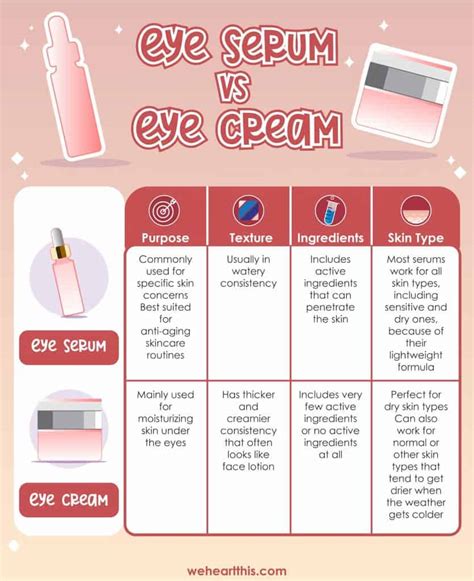
While both eye creams and face moisturizers hydrate the skin, they are formulated differently. Eye creams are specifically designed for the thinner, more delicate skin around the eyes, containing ingredients like antioxidants, skin-healing agents, emollients, fatty acids, and collagen boosters. These formulations hydrate without clogging pores, which can lead to milia (small white bumps). The specialized formulation helps address issues like swelling, discoloration, eyelid dermatitis, bags, and puffiness.
Face moisturizers, on the other hand, are typically heavier and may contain ingredients that can irritate the sensitive eye area or even contribute to puffiness. Some facial moisturizers may include oils or other irritants unsuitable for the eyes.
Understanding Myths and Misconceptions About Eye Creams
Several myths surround the efficacy and purpose of eye creams. It's important to distinguish fact from fiction:
- Myth: Eye creams erase all signs of aging. Eye creams do not promise to "erase" aging signs entirely, but they can significantly reduce the appearance of wrinkles, fine lines, and other concerns. Results depend on the product, usage, and individual skin.
- Myth: They are just expensive moisturizers. Eye creams are formulated differently from regular moisturizers. They are designed to be gentle on delicate under-eye skin and avoid harsh ingredients that could cause irritation.
- Truth: Consistency is more important than instant results. While makeup can offer immediate coverage, eye creams require consistent use over time to deliver noticeable results, often within a few weeks. Regular application is key to maintaining desired outcomes. However, discontinue use if irritation occurs, even with consistent application.
Choosing the Right Eye Cream
Selecting the right eye cream depends on your specific goals. Some products focus on wrinkle prevention, while others aim to minimize existing signs of aging. Consider your skin type: individuals with sensitive skin should opt for gentle, fragrance-free products and avoid ingredients they are known to be sensitive to.
Reading product reviews and conducting your own research can guide your choice. It's also worth noting that a higher price point does not always equate to superior efficacy. Consulting with a dermatologist can provide personalized recommendations and usage instructions.
Maximizing the Benefits of Eye Cream
Beyond the product itself, certain application techniques and lifestyle habits can enhance the effectiveness of eye cream:
Proper Application Techniques
- Gently pat the eye cream onto the skin using your ring finger, avoiding rubbing or tugging.
- Use a small amount of product.
- Apply the cream slightly away from the lash line.
- Allow the cream to absorb fully for a minute or two before applying other products.
- It is generally recommended to use a light, SPF-formulated cream in the morning and a thicker, SPF-free formula at night.
- Apply eye cream before face moisturizer, sunscreen, or concealer.
Healthy Lifestyle Habits
Incorporating healthy lifestyle habits is crucial for optimal results:
- Get adequate sleep.
- Manage stress levels.
- Stay hydrated by drinking plenty of water.
- Avoid smoking.
- Limit salt intake.
- Use sunscreen daily.
If you experience persistent issues or do not see results after a reasonable period, consult a dermatologist or eye doctor.
When Eye Creams May Not Be Enough
For individuals who do not achieve desired results with over-the-counter eye creams, medical interventions may be considered:
- Botox: Injections of botulinum toxin relax facial muscles, reducing the appearance of wrinkles.
- Dermal Fillers: Cosmetic fillers are injected to smooth wrinkles and improve the appearance of the under-eye area.
- Chemical Peels: These treatments remove outer skin layers to improve texture and reduce wrinkles.
- Laser Resurfacing: Lasers stimulate collagen production to firm and smooth the skin.
- Blepharoplasty: Eyelid surgery to remove excess skin and fat, reducing under-eye bags.
- Prescription Medication: Allergy medications may be prescribed to reduce swelling caused by allergies.
It is important to note that under-eye bags, wrinkles, and puffiness are often cosmetic concerns. Insurance may not cover surgical or treatment options if they are not medically necessary. If you experience unusual swelling or other symptoms lasting more than a day or two, contact your eye doctor.
The Eye Cream Debate: Believers vs. Non-Believers
The efficacy of eye creams is a topic of ongoing debate. Some individuals swear by their benefits, while others believe regular facial moisturizers are sufficient. The consensus among many specialists is that while eye creams can help with certain issues, some concerns may be beyond their scope.
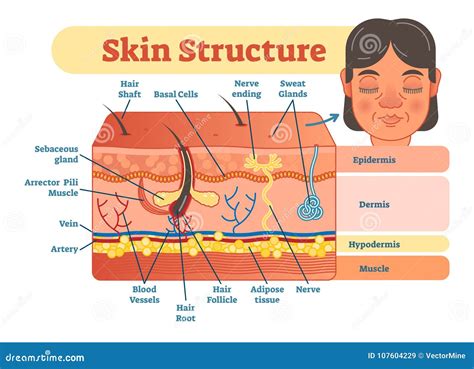
The skin around the eyes is thinner and more delicate than elsewhere on the face, making it more susceptible to irritation from harsher facial creams. For this reason, many experts advocate for specially formulated eye creams or gels. The fragility of this area also explains why it's often the first to show signs of aging.
Some studies suggest that certain anti-aging eye treatments can improve under-eye smoothness and reduce wrinkle depth. Ingredients like retinol are highlighted for their ability to boost cell turnover and stimulate collagen production. Others emphasize the importance of vitamin C, peptides, ceramides, and hyaluronic acid for strengthening the skin, providing moisture, and plumping effects.
Regardless of the product chosen, caution is advised. If extreme redness, irritation, or swelling occurs, discontinue use immediately. Hereditary factors can contribute to under-eye bags and dark circles, meaning no eye cream may fully eliminate them. Lifestyle adjustments, such as increased water intake and regular sleep schedules, can sometimes help. Gentle facial massage can also improve circulation and reduce fluid buildup.
Ultimately, consistent sunscreen use and overall body care are fundamental. A healthy lifestyle, including a balanced diet, adequate hydration, exercise, and sufficient sleep, forms the ABCs of good skincare.
Tretinoin for Under-Eye Concerns
Tretinoin, a prescription topical medication derived from vitamin A, is recognized for its potent ability to rejuvenate and improve skin texture, making it a valuable treatment for under-eye concerns. It is primarily known for treating acne but also has FDA-approved uses for photoaging, including fine facial wrinkles, rough skin texture, and mottled hyperpigmentation caused by sun damage.
What Causes Under-Eye Dark Circles?
Dark under-eye circles can be caused by:
- Excessive melanin production or uneven distribution
- Postinflammatory hyperpigmentation
- Periorbital edema (fluid accumulation around the eye)
- Superficial location of blood vessels
- Skin laxity and shadowing
Genetics, lifestyle, and aging also contribute. If dark circles are due to skin pigmentation, tretinoin may be helpful, though improvements with topical treatments can be minimal. Persistent dark circles may require consultation with a dermatologist for cosmetic procedures.
Benefits of Tretinoin as an Under-Eye Treatment
- Reduction of Fine Lines and Wrinkles: Tretinoin accelerates skin cell turnover, shedding dead cells and promoting new, healthier cell growth, which improves skin texture. Studies have shown significant improvements in fine wrinkles with consistent tretinoin use.
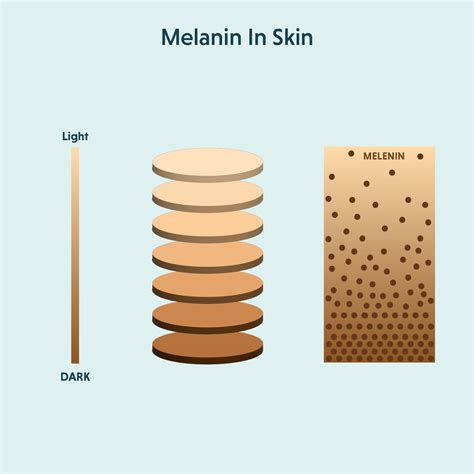
- Lightening of Dark Circles and Hyperpigmentation: Retinoids like tretinoin can reduce melanin production by affecting melanocytes, leading to decreased skin discoloration and a more even skin tone. Tretinoin also helps disperse melanin granules, reducing the appearance of dark spots.
- Increased Collagen Production: Tretinoin stimulates collagen synthesis, a key protein for skin firmness and elasticity. This increased collagen production improves the appearance of fine lines, wrinkles, and overall skin texture in the under-eye area.
Precautions and Considerations When Using Tretinoin
When using tretinoin or other retinoid creams for the under-eye area, it is crucial to follow the specific instructions provided by a healthcare professional to minimize adverse effects and maximize benefits. Keeping the under-eye area hydrated and moisturized is essential, as this skin is prone to dryness and sensitivity. Individual sensitivity varies, so start slowly and monitor your skin's response. Consult your healthcare provider if you experience severe or persistent irritation.
FAQs
- Can I use tretinoin for dark circles? Yes, tretinoin can help reduce darkness related to pigment and improve skin texture. Consult a dermatology provider for personalized guidance.
- Does tretinoin tighten skin? Yes, tretinoin promotes collagen production, which can improve skin tightness and firmness. The degree of tightening can vary.
- Does retinol cream help under-eye bags? Retinoid creams may offer mild improvement in the appearance of under-eye bags, particularly when combined with hydrating and peptide-rich formulations. However, the effectiveness depends on the cause of the bags.
tags: #prescription #under #eye #cream