The intricate relationship between your gut and your skin, often referred to as the gut-skin axis, is a dynamic communication network that significantly influences skin health. Oral probiotics can play a vital role in supporting skin wellness from the inside out by helping to maintain a balanced gut microbiome. Specific strains, particularly those from the Lactobacillus and Bifidobacterium families, have been the subject of research for their potential to contribute to clearer, more resilient skin and even combat signs of aging.
Understanding the Gut-Skin Axis
The gut microbiome, residing primarily in the large intestine, is a complex ecosystem of trillions of microorganisms, including bacteria, fungi, and viruses. This community is not merely passive; it actively participates in digestion, vitamin production, immune system regulation, and numerous other bodily functions. Think of it as a bustling internal neighborhood where microbes work continuously.
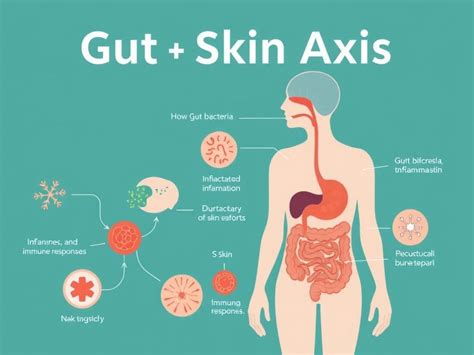
The gut-skin axis signifies the constant, bidirectional communication between your gut microbiome and your skin. This dialogue occurs through various pathways, including the immune system, chemical messengers produced by gut bacteria, and even nerve signals. Essentially, your gut and skin are perpetually interacting, meaning that the internal environment of your digestive system can directly manifest on your skin.
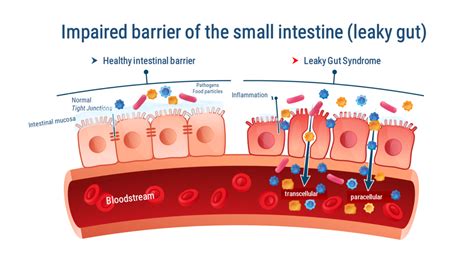
A balanced gut microbiome is crucial for maintaining a healthy gut barrier. This barrier acts as a selective filter, preventing harmful substances from entering the bloodstream and triggering inflammatory responses that can subsequently affect the skin. When this internal equilibrium is disrupted, a condition known as dysbiosis, it can lead to various skin issues, including breakouts, flare-ups, and a dull complexion.
How an Imbalanced Gut Affects Skin
When the balance of gut bacteria is disturbed, a state called dysbiosis can occur, impacting more than just digestion. It can weaken the gut barrier, sometimes referred to as "leaky gut," allowing undesirable microbial byproducts, such as lipopolysaccharides (LPS), to enter the bloodstream. Once in circulation, these substances can instigate systemic inflammation throughout the body.
This internal inflammation is not always concealed; it can manifest on the skin, contributing to conditions such as acne, eczema, rosacea, skin dryness, and even accelerating the visible signs of aging. Dysbiosis can also increase oxidative stress, a cellular process known to play a significant role in skin aging over time.
The Role of Probiotics in Skin Health
The question of whether oral probiotics can genuinely improve skin appearance and texture is increasingly being answered with a resounding yes, thanks to the understanding of the gut-skin axis. When specific probiotic strains are ingested, they interact with the existing gut microbes, the gut lining, and immune cells in beneficial ways.
Mechanisms of Probiotic Action
- Supporting Gut Barrier Function: The gut lining acts as a critical barrier. Certain probiotic strains can help reinforce this barrier, thereby minimizing the entry of inflammatory triggers into the bloodstream and subsequently reaching the skin.
- Influencing Immune Balance: A significant portion of the body's immune system resides in the gut. Probiotics can help regulate immune activity, potentially calming overreactions that might otherwise present as skin flare-ups or inflammation.
- Shaping Microbial Balance: A balanced gut microbiome produces fewer byproducts that can be associated with skin problems. Specific probiotic strains can promote a more favorable microbial composition, potentially leading to calmer, clearer skin over time.
- Promoting Beneficial Metabolites: As probiotics transit through the gut, they, or the microbes they support, can produce short-chain fatty acids, such as butyrate. These metabolites help reduce inflammation and maintain gut health, which can indirectly support healthier skin.

Probiotics for Specific Skin Concerns
While probiotics are not a universal panacea, research suggests they can be valuable tools for supporting skin wellness, particularly with consistent use.
Acne and Breakouts
Acne is often linked to inflammation, both on the skin and internally, with gut imbalances potentially playing a role. Certain probiotic strains have been studied for their ability to help reduce inflammation and positively influence the gut microbiome, thereby supporting clearer skin. Strains from the Lactobacillus and Bifidobacterium families have shown promise in supporting individuals with problematic skin by helping to regulate immune responses via the gut-skin axis.
Skin Dryness and Barrier Function
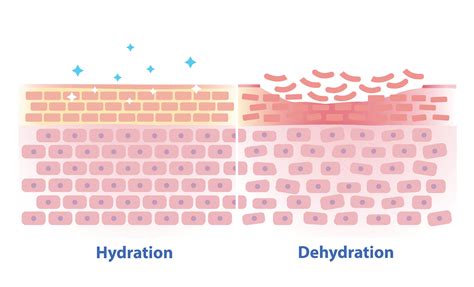
The skin barrier is essential for retaining moisture and preventing the entry of irritants. Intriguingly, both the gut barrier and the skin barrier rely on similar tight junction proteins for their structural integrity. Probiotic strains that bolster gut barrier function may also contribute to a stronger, more resilient skin barrier. Some studies have indicated that certain probiotics can improve skin hydration and reduce transepidermal water loss (TEWL), a measure of the skin's ability to retain moisture.
Skin Radiance and General Appearance
Low-grade, chronic inflammation and oxidative stress can not only affect the gut but also contribute to a dull complexion. By helping to manage both, probiotics may contribute to a healthier, more even skin tone. As Dirk Gevers, Ph.D., Seed’s Chief Scientific Officer, notes, "While topical applications offer targeted benefits to the skin’s surface, at Seed, our scientific approach emphasizes the profound connection between gut health and skin wellness-the gut-skin axis. We focus on how specific oral probiotic and prebiotic interventions can systemically support the skin from within, addressing underlying microbial balance that influences skin’s appearance and resilience.”
Specific Probiotic Strains for Skin Health
It is crucial to recognize that the benefits of probiotics are strain-specific. This means that not all species within a genus, such as Lactobacillus, will yield the same results. Research highlights particular strains within species as having potential benefits for skin health.
Lactobacillus Strains
Several Lactobacillus strains (some of which are now reclassified into genera like Lactiplantibacillus, Lacticaseibacillus, or Ligilactobacillus) have been investigated for their effects on skin:
- Ligilactobacillus salivarius LS1: This strain has been recognized for its role in supporting adults with certain skin issues, likely through its immunomodulatory effects via the gut-skin axis.
- Lacticaseibacillus paracasei ST11: Studied for its contribution to skin barrier function and maintaining skin hydration, particularly in individuals with dandruff or reactive skin.
- Lactiplantibacillus plantarum: Certain strains of L. plantarum have been researched for their potential to support skin hydration, elasticity, and barrier strength, possibly by helping to reduce inflammation and oxidative stress.
- Lacticaseibacillus casei CECT 9104: This strain has been part of formulations studied for supporting skin health in pediatric populations with atopic dermatitis, alongside other Bifidobacterium strains.
Bifidobacterium Strains
Bifidobacterium strains are also key components of the gut microbiome and have demonstrated potential for skin benefits:
- Bifidobacterium breve BR3: Noted alongside L. salivarius LS1 for its supportive role in adults experiencing challenged skin.
- Bifidobacterium lactis CECT 8145 and Bifidobacterium longum CECT 7347: These strains have been studied in combination with L. casei CECT 9104 for benefits in pediatric atopic dermatitis, suggesting they can help modulate immune responses affecting the skin.
- General Bifidobacterium Benefits: Strains from this group are known for their ability to help strengthen the gut lining and manage inflammation, both of which are significant for skin health.
As Gevers emphasizes, "The conversation around probiotics for skin health is exciting, but precision is key. It’s not about probiotics in general, but about specific, scientifically validated strains and their documented effects." He adds, "At Seed, we underscore that the journey to healthier-looking skin via the microbiome is a marathon, not a sprint. It involves consistent support for your internal ecosystem, understanding that benefits are often multifaceted and build over time, rather than providing an instant ‘fix’.”

Beyond Strains: What Else Matters in Probiotic Skincare
Selecting the right probiotic strains is crucial, but several other factors influence whether a probiotic can deliver tangible skin benefits.
The Role of Prebiotics
Prebiotics are specialized fibers or plant compounds that serve as fuel for gut bacteria. Well-nourished gut microbes can thrive and produce beneficial compounds that positively impact the body, including the skin. For instance, compounds like punicalagins from Indian pomegranate can be converted by gut microbes into metabolites with potential skin benefits.
Delivery Technology
For probiotics to be effective, they must survive the harsh acidic environment of the stomach and reach the gut alive. Advanced delivery technologies are designed to protect these delicate microorganisms during their transit.
AFU vs. CFU: Understanding Potency
Probiotic product labels often indicate potency in CFU (Colony Forming Units). However, this method may not accurately count all viable cells, especially in complex, multi-strain formulations. AFU (Active Fluorescent Units) represents a more precise measurement of viable microbes, using flow cytometry to count live and active cells, offering a clearer indication of the product's actual potency.
Quality and Testing
The quality and testing of probiotic products are paramount. Reputable brands are transparent about the origin of their strains, manufacturing processes, and testing protocols. Independent, third-party testing provides assurance that the product contains what is stated on the label and is free from contaminants, ensuring both safety and efficacy.

Incorporating Probiotics into Your Skin Wellness Routine
Adding probiotics to your routine can be a strategic move for skin health, but it should be complemented by other healthy habits.
Consistency is Key
Probiotics are not a one-time fix. Consistent daily intake is necessary for them to interact with the gut microbiome over time and support beneficial changes that can reflect on the skin.
Diet and Lifestyle Matter
While high-quality probiotics offer benefits, they cannot fully counteract the effects of a low-fiber diet, chronic stress, or inadequate sleep. Holistic support for gut and skin health involves nurturing the entire body:
- Consume a diet rich in fiber, fruits, vegetables, and whole grains.
- Stay adequately hydrated, as water is essential for both gut and skin health.
- Manage stress effectively, as chronic stress can negatively impact the gut microbiome.
- Prioritize sufficient sleep, which supports gut balance and skin cell repair.
Timeline for Results
The timeframe for experiencing probiotic benefits can vary significantly. While some individuals may notice digestive changes within weeks, skin improvements often take longer, typically several weeks to a few months of consistent use. This is because the internal changes within the gut need time to influence the skin.
In essence, patience and consistency are key to realizing the potential benefits of probiotics for skin health.
How Do Specific Probiotics Help With Skin Health? - All About the Immune System
The Key Insight: Healthy Skin Starts Within
Healthy skin originates from within, and the gut-skin axis highlights the profound connection between the gut and skin systems. Oral probiotics are emerging as a promising approach to support skin health from the inside out.
Specific probiotic strains can aid in reinforcing the gut barrier, mitigating inflammation, and promoting a balanced microbiome, all of which can contribute to clearer, more resilient skin. It is vital to remember that strain specificity is paramount; not all probiotics will yield the same results, so opting for clinically studied strains linked to skin-related outcomes is advisable.
Prebiotics also play a supportive role, with compounds like punicalagins from Indian pomegranate being transformed by gut microbes into metabolites that may benefit the skin. Ultimately, probiotics are most effective when integrated into a holistic approach that includes proper formulation, effective delivery, and a healthy lifestyle encompassing adequate sleep, fiber intake, and hydration. While an instant glow may not be immediate, nurturing your gut microbiome can be a significant step toward achieving healthier-looking skin.
Frequently Asked Questions (FAQs)
Can Probiotics Help with Acne?
Probiotics may offer assistance, but they are not a standalone cure. Certain probiotic strains have been studied for their ability to reduce inflammation and support a healthier gut microbiome, which is often associated with acne flare-ups. Probiotics should be considered a component of a broader skincare and wellness regimen rather than a sole solution.
Are Topical or Oral Probiotics Better for Skin?
Topical probiotics focus on the skin's surface and its local microbiome, while oral probiotics work systemically from the inside out via the gut-skin axis. Both can be beneficial depending on individual goals, but oral probiotics are emphasized for their comprehensive, full-body support.
How Long Do Probiotics Take to Work for Skin?
The timeline for results varies. While digestive changes might be noticed within weeks, skin improvements typically require several weeks to a few months of consistent use. This extended period allows internal changes to manifest externally on the skin.
How Do Probiotics Help with Aging Skin?
Probiotics can contribute to anti-aging effects by supporting the skin barrier, reducing inflammation, and potentially stimulating collagen production. By promoting a balanced microbiome and mitigating factors like oxidative stress, they can help minimize the appearance of fine lines and wrinkles, improve skin elasticity, and enhance overall skin hydration and radiance.
Can Live Bacteria Be Incorporated into Skincare?
Yes, the incorporation of live bacteria into skincare, such as BASF's Probiolift (containing L. crispatus), is an emerging area. Challenges include ensuring the viability of the bacteria in commercial products and final consumer formulations. However, studies suggest that deactivated forms may not offer the same benefits, and the production process can be sustainable. Consumer acceptance of live bacteria in cosmetics is also a consideration.
tags: #probiotics #for #skin #wrinkles