Seeking brighter, smoother skin? If fine lines, uneven tone, or dullness are concerns, incorporating a retinol serum into your skincare routine can be a highly effective strategy. Retinol, a bio-compatible form of vitamin A, works harmoniously with your skin's natural processes to support a youthful, healthy appearance. When applied topically, it converts to retinoic acid, offering a potent yet accessible option for addressing common skin concerns with potentially less irritation than prescription-strength alternatives.
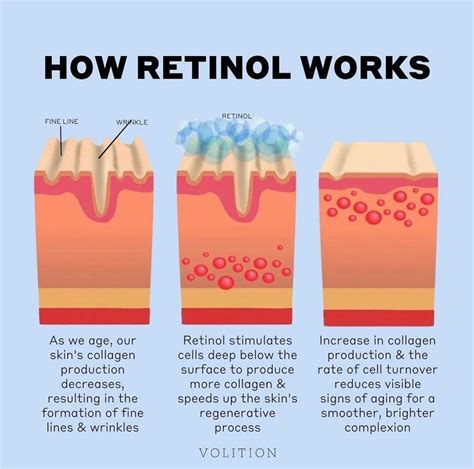
Retinol's ability to support the skin's natural renewal process and collagen production is central to its effectiveness. Collagen, the structural protein responsible for skin firmness and plumpness, is crucial for a resilient complexion. The extensive list of benefits makes retinol serum one of the most versatile ingredients in modern skincare.
Understanding the Benefits of Retinol Serum
Retinol serum offers a wide array of advantages for skin health and appearance. Its ability to target multiple skin concerns makes it a cornerstone ingredient for many skincare enthusiasts and professionals.
Addressing Signs of Photoaging
Clinical research, including studies published in the Journal of Drugs in Dermatology, highlights retinol as a premier asset for correcting the visible signs of photoaging. Photoaging refers to the premature aging of skin caused by repeated exposure to ultraviolet (UV) radiation from the sun.
Brightening Dull Skin and Improving Texture
By regulating skin cell turnover, retinol improves the appearance of both skin tone and texture. It encourages new skin cells to come to the surface, helping to resurface the skin and reduce the appearance of discoloration, leading to a more radiant and smoother complexion.
Reducing Signs of Aging
Retinol can function like an antioxidant, protecting the skin from free radical damage and environmental aggressors. As a topical product, it can boost collagen production, which helps to firm sagging skin and reduce the appearance of fine lines and wrinkles.
Boosting Collagen Production
As the structural protein that keeps the skin looking firm and plump, collagen is essential for a resilient appearance. Retinol's ability to support the skin's natural collagen production contributes significantly to a more youthful and firm complexion.
Reducing Acne and Congestion
Retinol is highly effective in preventing clogged pores, a primary cause of acne. It helps to sweep away dead skin cells and clear congestion, leading to clearer skin. While an initial increase in breakouts, known as the "retinol purge," can occur as congestion comes to the surface, consistency with the treatment typically leads to improved clarity.
Minimizing the Appearance of Large Pores
By increasing skin cell turnover and preventing clogged pores, retinol can make pores appear smaller and less noticeable. This leads to a more refined skin surface.
Fading Dark Spots and Hyperpigmentation
Retinol can help lighten dark spots, including those caused by sun damage (sun spots, age spots) and melasma. It works by encouraging cell turnover, which helps to fade accumulated melanin.
How to Use Overnight Retinol Serum Effectively
Understanding how to apply retinol serum correctly is essential for ensuring a comfortable and effective experience. The key lies in a gradual introduction and consistent application, always prioritizing skin protection.
Preparing Your Skin
Dry the skin completely: It is recommended to wait a few minutes after washing your face before applying retinol. Applying retinol to wet skin can enhance penetration, potentially leading to increased irritation. Many professionals advise waiting about 20-30 minutes after cleansing.
Application Technique
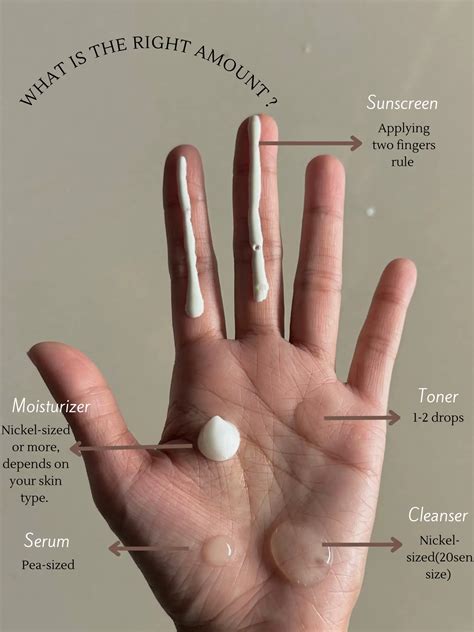
Apply retinol serum: Dispense a pea-sized amount of the formula onto your fingertips. Spreading this amount evenly across the entire face is sufficient. Applying an excessive amount does not lead to faster results and can increase the risk of dryness and irritation.
The "Sandwich Method" for Sensitive Skin
For those with sensitive skin or those new to retinol, the "sandwich method" is a highly recommended approach. This technique involves applying a thin layer of moisturizer before your retinol serum, then applying the retinol, and finishing with a second layer of moisturizer. This buffers the active ingredient, reducing potential irritation.
Morning vs. Evening Use
Morning or Evening? Retinol is a powerful active that is most effective when integrated into a nightly ritual. Because the ingredient is light-sensitive and can increase the skin's sensitivity to the sun, it should be reserved for evening use. Using retinol in the morning can render it less effective due to UV light exposure and increase the risk of irritation.
Retinol Serum vs. Retinol Cream
When choosing between a retinol serum and a retinol cream, the decision often rests on your skin type and personal preference for layering your skincare routine.
- Retinol serum: Serums are typically lightweight, potent, and fast-absorbing. Their fluid texture makes them an ideal choice for those with oily or combination skin, or for individuals who prefer to layer a separate, heavier moisturizer on top. Serums are designed to deliver a high concentration of active ingredients efficiently.
- Retinol Cream: Creams combine retinol with moisturizing bases, such as ceramides or oils. These formulations are excellent for dry or sensitive skin types that require immediate hydration alongside the active ingredient.
Integrating Retinol into Your Skincare Routine
Successfully incorporating retinol into your routine involves understanding ingredient compatibility, managing potential side effects, and being patient with the process.
Ingredient Compatibility
To truly unlock retinol's potential, it's important to navigate ingredient compatibility carefully. Certain ingredients can complement retinol, while others may lead to overexfoliation or irritation.
- Ideal Pairings:
- Niacinamide: Helps soothe and strengthen the skin barrier, complementing retinol.
- Hyaluronic Acid: This hydration hero is safe to layer before or after retinol to boost moisture levels.
- Ingredients to Use with Caution or Separately:
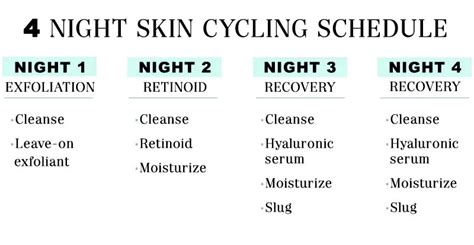
- Exfoliating Acids (Glycolic, Salicylic): Using these in the same session as retinol may lead to overexfoliation and increased irritation. It is best to separate them, perhaps using acids on alternate nights.
- Benzoyl Peroxide: This ingredient can affect retinol's stability and increase irritation.
- Vitamin C: While some advanced formulations allow for concurrent use, it's often recommended to use Vitamin C in the morning and retinol at night to avoid potential irritation.
Managing the Adjustment Period (Retinization)
When you first introduce retinol into your routine, it is common for the skin to undergo a transition period known as retinization. This allows your skin to build a natural tolerance to the active ingredient.
- Gradual Introduction: Many professionals recommend a gradual approach. Start by aiming for one to two nights a week. Monitor your skin's response. If your skin feels comfortable and maintains its moisture barrier, you can gradually increase the frequency to every other night, and eventually to nightly use.
- Common Experiences: Visible redness, dryness, stinging, or a temporary increase in breakouts can occur. These are often signs that the skin is adapting. Prioritizing comfort through buffering (sandwich method) and reinforcing the skin's moisture barrier with a rich moisturizer are foundational solutions.
Consistency is Key
Maintaining consistency is the most effective path forward for achieving results. While the adjustment phase can be discouraging, it is usually temporary. Regular, consistent use is crucial for experiencing the long-term benefits of retinol.
Sun Protection is Non-Negotiable
Retinol increases sun sensitivity because it encourages the emergence of newer, more delicate skin cells. Daily defense with a broad-spectrum SPF 30 or higher sunscreen in the morning is a mandatory element of any retinol ritual. This protects the skin's renewed surface from UV damage.
Timeline for Results
Patience is a crucial virtue when using retinol. While day-to-day changes may be subtle, consistent use yields significant improvements over time.
- Early Weeks (2-4 weeks): Many individuals begin to notice a shift in the skin's surface quality, appearing more radiant and feeling smoother to the touch as surface cell turnover is encouraged.
- Long Term (around 12 weeks): Clinical studies suggest that the full structural transformation peaks around the 12-week mark. This milestone signifies the most significant improvements in skin density and deep wrinkle reduction.
Editor's Tip: Consider taking a clear photo under consistent lighting every four weeks to track your progress, as daily changes can be subtle.
Who Should Consider Using Retinol?
Retinol is a versatile ingredient suitable for various skin types and concerns, though certain considerations are advised.
- The Era of Preservation (Late 20s/Early 30s): This is an ideal time to introduce a measured retinol protocol as a foundational investment to safeguard natural vibrancy as cell renewal begins to decelerate.
- Texture and Clarity (Oily and Acne-Prone Skin): Retinol is key for refining the skin's surface, clearing dead skin cells that lead to congestion, and balancing oiliness.
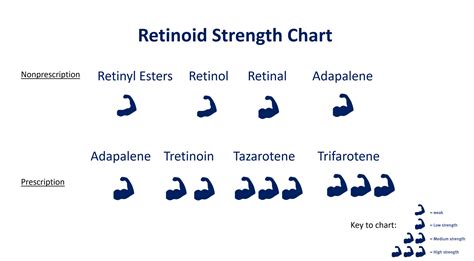
- Considerations for Sensitive Skin: A delicate skin barrier requires a more thoughtful approach. Opting for lower concentrations, time-release formulas, or pro-retinol alternatives is recommended.
- Professional Caution: During pregnancy or breastfeeding, it is generally advised to avoid retinol. Alternatives like azelaic acid, niacinamide, or bakuchiol may be considered.
What to Avoid When Using Retinol
Achieving the best results with a retinol serum is as much about what you avoid as what you include in your routine.
- Applying Excessive Amounts: A pea-sized amount is sufficient for the entire face. More product does not equate to faster results and can lead to irritation.
- Applying on Damp Skin: Water can enhance retinol penetration, potentially increasing discomfort. Ensure skin is completely dry.
- Inconsistent Sun Protection: Daily SPF use is critical due to increased sun sensitivity.
- Discontinuing Use During Adjustment: The "purge" period is usually temporary. Consistency is key to overcoming it.
- Overwhelming the Skin with Multiple Actives: Layering retinol in the same session as other potent ingredients like exfoliating acids or benzoyl peroxide can compromise the skin's integrity.