Tinted sunscreens are gaining popularity for their dual action: they offer skin protection while simultaneously improving skin tone. These mineral-based formulations incorporate a color base that helps to even out the complexion and protect the skin. Furthermore, their ability to block visible light makes them beneficial for managing certain skin conditions.
Understanding the Electromagnetic Spectrum and Skin Damage
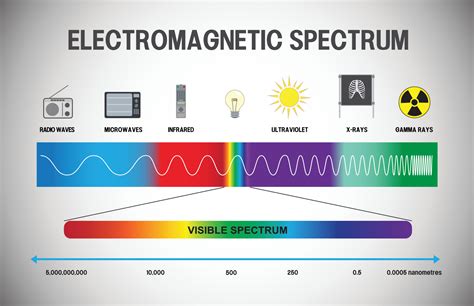
The electromagnetic spectrum includes ultraviolet (UV) radiation and visible light, both of which originate from the sun. UV radiation is categorized into UVA, UVB, and UVC. While the ozone layer absorbs most UVC radiation, UVA and UVB are the primary wavelengths that affect the skin. The detrimental effects of UV light on the skin are well-documented: UVA is mainly responsible for premature skin aging, and UVB is linked to sunburns and skin cancer.
Visible light, the portion of the electromagnetic spectrum perceptible to the human eye, also emanates from the sun and artificial sources like medical devices, screens, and light bulbs. This form of light penetrates deeper into the skin than UV radiation and can lead to negative consequences. For instance, visible light has been implicated in worsening disorders characterized by excess skin pigmentation, such as melasma and post-inflammatory hyperpigmentation (dark spots). Research indicates that visible light can cause more noticeable and persistent hyperpigmentation than UVA radiation alone, particularly in individuals with deeper skin tones.
How Tinted Sunscreens Block Visible Light
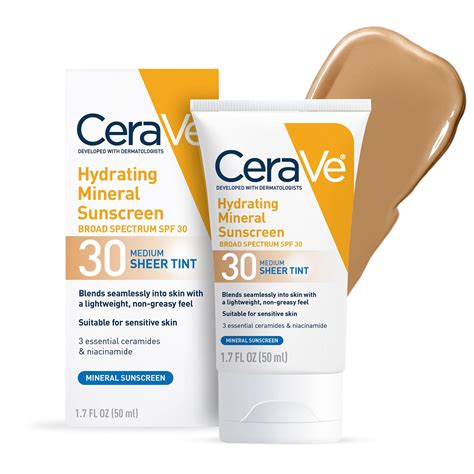
Broad-spectrum, non-tinted sunscreens are formulated with filters designed to block UVA and UVB rays. However, they are not intended to block visible light. For a sunscreen to effectively block visible light, it must be visible on the skin. Traditional sunscreens often use "nanosized" particles to minimize the white cast they can leave on the skin. Tinted sunscreens overcome this by combining broad-spectrum mineral UV filters, such as zinc oxide and titanium dioxide, with added pigments like pigmentary titanium dioxides and iron oxides. These pigments create a skin-tone color that can reflect visible light away from the skin.
While these pigments are generally considered inactive, there have been isolated reports of allergic reactions to iron oxides found in cosmetic products like mascara. Nevertheless, the protective benefits against visible light are significant.
Tinted Sunscreens for Hyperpigmentation and Melasma
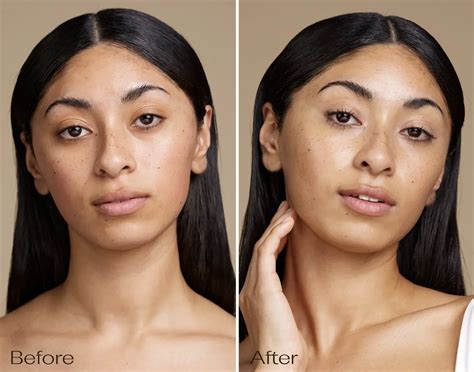
Emerging evidence suggests that tinted sunscreens are particularly valuable for individuals prone to hyperpigmentation or melasma. Their effectiveness stems from their ability to block visible light, a known exacerbating factor for these conditions. Studies have shown that tinted sunscreens are more effective at reducing melasma relapses compared to non-tinted, broad-spectrum sunscreens. Furthermore, tinted sunscreens have demonstrated a reduction in hyperpigmentation, both on the skin's surface and at a microscopic level.
The Role of Zinc Oxide in Sun Protection
The quest for effective sun protection often leads to the discovery of key ingredients, and zinc oxide stands out as a crucial mineral filter. Its benefits extend beyond simple UV protection, making it a cornerstone of modern sunscreens.
Why Zinc Oxide?
Zinc oxide is a mineral substance with a long history of use in health products, notably in diaper rash ointments, and it also functions as a highly effective sun filter. Unlike chemical-based sunscreens, zinc oxide sunscreen does not penetrate the skin. Instead, it sits on the skin's surface, reflecting and scattering UV radiation. This physical barrier makes it an excellent protectant against sunburn and premature aging caused by UVA rays.
Mineral sunscreens containing zinc oxide protect the skin by both reflecting and absorbing the sun's rays, whereas chemical sunscreens absorb harmful rays and prevent them from penetrating the skin.
Minimizing White Cast
A common concern with mineral sunscreens is the potential for a thick, white residue. However, advancements in formulation have led to zinc oxide sunscreens that leave little to no visible residue. These products glide effortlessly onto the skin, offering effective yet discreet protection.
Beyond SPF Numbers
While a high SPF (Sun Protection Factor) number is important, it is not the sole indicator of sun protection. The SPF number primarily quantifies protection against UVB rays and does not fully capture effectiveness against UVA rays, which penetrate deeper into the skin. It's also a common misconception that a higher SPF offers proportionally greater protection; for instance, SPF 30 guards against approximately 97% of UVB rays, while SPF 50 blocks about 98%.
Suitability for Various Skin Types
As a naturally sourced mineral, zinc oxide is suitable for most skin types. Sun care collections often include formulations enriched with soothing ingredients like oat extracts, catering to sensitive skin needs and offering options for both face and body application.