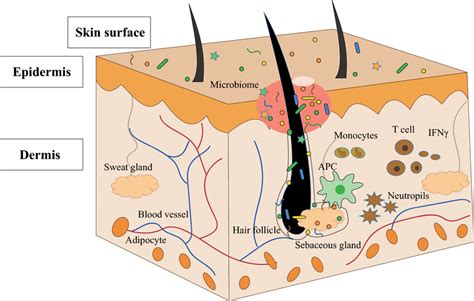
Clogged pores are a common skin concern that develop when dead skin cells, oil, or dirt become trapped in your pores. Pores are tiny openings in the skin that release oil and sweat from your glands, and when they become blocked, it can lead to acne and other blemishes. While clogged pores are most frequently seen on the face, they can appear anywhere on the body, including the scalp, neck, back, shoulders, and chest.
It's important to distinguish between clogged pores and enlarged pores, although they are often related. Clogged pores occur when pores become blocked. Enlarged pores, on the other hand, can be influenced by various factors such as age, specific skincare products, hair follicles, and sun damage. While excess oil production can contribute to clogged pores and potentially lead to enlarged pores, enlarged pores do not always result in clogged pores.
Understanding Clogged Pores
Congested skin occurs when pores become blocked by a combination of dead skin cells and excess oil. This can manifest as blackheads or whiteheads, which are common types of acne. Blackheads appear dark due to the oxidation of trapped oil and dead skin cells exposed to air, while whiteheads form when the blockage is trapped beneath the skin's surface.
Several factors can contribute to the formation or worsening of clogged pores:
- Sebum Production: Hormonal changes, particularly during puberty, can stimulate oil glands to produce excess sebum.
- Dead Skin Cells: Inadequate shedding of dead skin cells can lead to their accumulation and blockage of pores.
- Environmental Factors: High humidity and pollution can exacerbate skin congestion.
- Skincare and Makeup Products: Certain formulations in makeup, hair care, and skincare products can clog pores.
- Lifestyle: Stress and lack of sleep can also contribute to skin congestion.
Beyond the visible signs like blemishes and enlarged pores, skin congestion can also result in a rough skin texture. While all skin types can experience congestion, those with oily or dry skin may be more prone to it. For a definitive diagnosis and personalized advice, consulting a dermatologist is recommended.
Effective Treatments for Clogged Pores
Addressing clogged pores can involve a multi-faceted approach, combining at-home care with professional treatments. Understanding the best ingredients and practices is key to achieving clearer skin.
Key Ingredients for Unclogging Pores
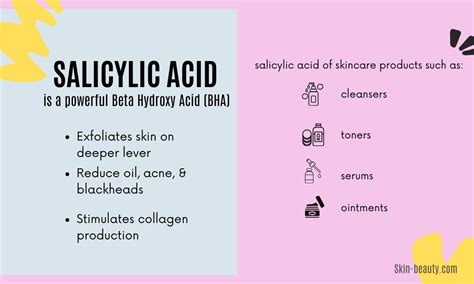
Two tried-and-true ingredients for targeting plugged-up pores are salicylic acid and benzoyl peroxide. Salicylic acid, derived from willow bark, is a beta hydroxy acid (BHA) that effectively breaks down excess oil and exfoliates dead skin cells, helping to decongest the skin.
Salicylic Acid (BHA): This oil-soluble ingredient can penetrate deep into pores to dissolve sebum and debris. It also exfoliates the skin's surface, removing dead skin cells that contribute to clogs and future blemishes. Products containing salicylic acid can help clear pores and treat acne simultaneously.
Alpha Hydroxy Acids (AHAs): While BHAs are more targeted for pore clearing, AHAs like glycolic acid, lactic acid, and mandelic acid are excellent for removing dead skin cells from the surface. Glycolic acid has a small molecular structure for deeper penetration, while lactic acid is a gentler option, suitable for sensitive skin.
Retinoids: These vitamin A derivatives are highly effective in treating clogged pores. They work by decreasing sebum production, increasing cellular turnover, and preventing dead skin cells from accumulating and blocking follicles. Over-the-counter options like adapalene (found in Differin) and prescription-strength retinoids are available.
Sulfur: Known for its antimicrobial and anti-inflammatory properties, sulfur can help improve acne and clogged pores. It is often found in mask formulations.
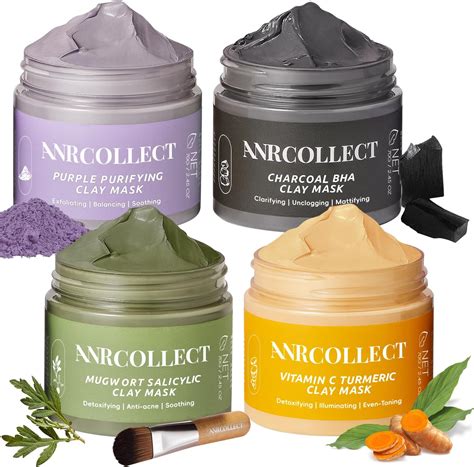
Clay and Charcoal: Masks containing bentonite or kaolin clay, and activated charcoal, can effectively absorb excess oil and draw out impurities from the pores, offering a temporary but noticeable decongesting effect.
At-Home Skincare Routines
A consistent and targeted skincare routine is crucial for managing clogged pores. This includes:
1. Cleansing
Proper cleansing is paramount to remove excess oil, makeup, dirt, and dead skin cells. Double cleansing, especially if you wear makeup or sunscreen, can ensure a thorough removal of impurities. Look for cleansers labeled "non-comedogenic," meaning they are formulated not to clog pores. Gentle, hydrating cleansers are recommended, even for oily skin types, as stripping the skin can lead to increased oil production.
- CeraVe Acne Control Cleanser: A good option for daily cleansing with salicylic acid.
- Kate Somerville EradiKate Daily Foaming Cleanser: Contains sulfur to help clear excess sebum and breakouts.
- Cetaphil Gentle Skin Cleanser: A fragrance-free, hypoallergenic option suitable for sensitive skin.
- Vanicream Gentle Facial Cleanser: Effectively removes makeup and oil without clogging pores.
2. Exfoliation
Regular exfoliation is key to preventing the buildup of dead skin cells. This can be achieved through chemical exfoliants (AHAs and BHAs) found in cleansers, toners, serums, or masks.
- Toners and Toner Pads: Products like Medicube's Zero Pore Pads with salicylic acid can be swiped across the face to help clear pores.
- Chemical Peels: At-home or professional chemical peels containing a combination of acids can offer more intensive exfoliation. Shani Darden's Triple Acid Signature Peel is a notable option.
3. Masks
Clay and charcoal masks can be used once or twice a week to absorb excess oil and impurities. These masks provide a temporary but effective way to decongest pores.
- Caudalie's Vinergetic C+ Instant Detox Mask: Contains bentonite and kaolin clay to draw out oil.
- Kiehl's Rare Earth Deep Pore Minimizing Clay Mask: Utilizes Amazonian white clay and bentonite clay to address clogged pores.
- Renée Rouleau's Rapid Response Detox Masque: Features tea tree oil and salicylic acid to combat acne-causing bacteria and dissolve debris.
- Tata Harper Clarifying Mask: Combines chemical exfoliators (lactic and salicylic acid) with physical exfoliators (quartz sand micro-crystals).
- Beauty of Joseon's Ground Rice and Honey Glow Mask: A gentle yet effective option for deep pore scrubbing.
- La Mer's Deep Purifying Mask: A creamy, cooling mask that uses marine enzymes, bentonite, and kaolin to draw out impurities.
- The Outset Purifying Blue Clay Mask: A sensitive skin-friendly formula with kaolin clay, salicylic acid, and niacinamide.
4. Targeted Treatments
Spot treatments can be applied directly to areas prone to clogged pores or blemishes. Serums containing active ingredients like salicylic acid or retinoids can also be incorporated into a daily routine.
- CeraVe Acne Control Gel: Can be used as a targeted spot treatment or a full-face application.
- Differin Acne Treatment Gel: A topical retinoid for managing acne and clogged pores.
- Personal Day's Adapinoid Serum: A gentle retinoid option suitable for dry or sensitive skin.
5. Moisturizing
It is essential to moisturize, even if you have oily skin. Skipping moisturizer can cause the skin to produce more oil to compensate for dryness, potentially leading to more clogged pores. Opt for lightweight, non-comedogenic formulas.
- CeraVe AM Facial Moisturizing Lotion SPF 30
- CeraVe PM Facial Moisturizing Lotion
6. Sun Protection
Exfoliating ingredients can increase sun sensitivity. Daily use of sunscreen with SPF 30 or higher is crucial to prevent sunburn and sun damage, which can weaken collagen and enlarge pores over time.
Professional Treatments
For persistent or severe cases of clogged pores, professional treatments can provide more intensive solutions:
- Facials: Professional cleansing, exfoliation, and gentle extractions performed by a licensed esthetician can help clear pores.
- HydraFacial: This treatment uses a machine to vacuum impurities from pores and deliver targeted serums.
- Microdermabrasion: A procedure that uses a device to gently sand away the top layer of dead skin cells.
- Chemical Peels: Professional-grade chemical peels offer deeper exfoliation to remove dead skin cells and excess oil.
- Microneedling: This treatment stimulates collagen production and can help firm the skin, making pores appear smaller. It also enhances the penetration of skincare products.
- Extractions: Performed by dermatologists or estheticians, professional extractions use specialized tools to safely remove blockages from pores.
How to Perform a Clinical Deep Pore Cleansing Facial with Extractions by Lydia Sarfati
Preventing Clogged Pores
While it may not be possible to completely eliminate clogged pores, certain lifestyle and skincare adjustments can help minimize their occurrence:
- Maintain a consistent skincare routine: Cleansing, exfoliating, and moisturizing regularly are key.
- Use non-comedogenic products: Always check product labels for this designation.
- Avoid touching your face: Transferring dirt and bacteria from your hands can clog pores.
- Manage stress and prioritize sleep: High stress levels and lack of sleep can negatively impact skin health.
- Stay hydrated: Drinking enough water supports overall skin health.
- Cleanse makeup brushes regularly: Dirty brushes can harbor bacteria and oil.
- Consider your diet: While research is ongoing, some find that certain dietary changes can impact their skin.
It's important to remember that pore size is largely determined by genetics. However, by keeping pores clean and free of blockages, their appearance can be significantly minimized.