Unless you’ve been living deep in the forest for the past few months, you’ve probably heard of Japanese head spas. With social media videos going viral and dedicated salons opening all over the UK, this is possibly the biggest haircare trend since rosemary oil. A Japanese head spa is a holistic treatment for hair and scalp with a focus on wellbeing. It usually includes scalp analysis, deep cleansing, intense conditioning, massage, and aromatherapy. Two Japanese traditions inspired the treatment: shiatsu massage and traditional onsen (those hot springs loved by macaques!). The idea is that you leave the salon with healthier hair, feeling completely relaxed.
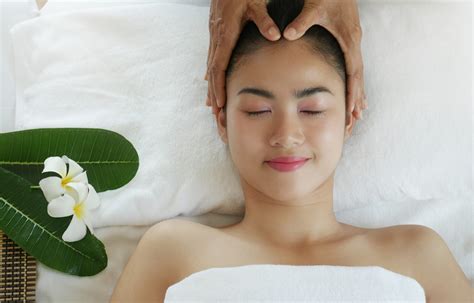
The Core Principle: Healthy Scalp, Vibrant Hair
One of the key principles behind Japanese Head Spas is scalp health. Haircare often focuses on the texture or condition of the strands themselves, rather than the scalp or hair follicles. But as we often say, healthy hair begins with a healthy scalp. The core concept of a head spa is that a healthy scalp is the foundation for vibrant and resilient hair. However, the benefits go beyond just healthy hair. The deep clean process is essential for maintaining a healthy scalp. Scalp treatments aim to provide tangible benefits for scalp and hair health, while also promoting overall well-being and a deep sense of relaxation and rejuvenation.
The entire head spa experience honours the connection between the body and mind. It’s a harmonious blend of physical improvement, sensory indulgence, and mental renewal. It’s the perfect treatment for anyone looking to improve the condition of their scalp and hair, but also for those who need a much-needed break from a hectic everyday life.
Benefits of a Head Spa Treatment
This treatment offers a wide range of health and wellness benefits for your clients, making it a valuable addition to any spa experience:
- Stress Relief: A head spa helps reduce stress by using gentle massage techniques that lower stress hormone levels, promoting deep relaxation and overall well-being.
- Improved Blood Circulation: By boosting blood flow to the scalp, a head spa delivers essential nutrients to hair follicles, encouraging healthier hair growth and revitalizing both the scalp and hair.
- Promotes Hair Health: Regular head spa treatments can strengthen the hair by stimulating the scalp. The massage helps to prevent dandruff, dryness, and hair loss, resulting in healthier, more vibrant hair.
- Detoxification: Head spas clear away dead skin cells and product buildup, creating a clean, healthy scalp environment for optimal hair growth.
- Relieves Headaches: By easing tension in the head and neck, head spas can help reduce the frequency and severity of headaches and migraines.
- Increases Sleep Quality: Scalp massages promote deep relaxation, making it easier to fall asleep and improving overall sleep quality.
- Boosts Mental Clarity: Increased blood flow to the brain enhances mental clarity, focus, and alertness, helping improve productivity.
- Elevates Mood: The soothing atmosphere and gentle massage uplift the mind and body, promoting relaxation and emotional well-being.
Creating a Luxurious Spa Experience at Home
Washing hair is something we often do in a hurry, but by spending a little more time on it every now and then, we can transform this essential task into a wonderful act of self-care. To create that luxurious spa feeling at home, make sure your bathroom is clean and uncluttered. Light some candles for a calming glow (fragranced with essential oils, if you like). If you’ve got a portable speaker, pop on a relaxing spa playlist to get you in the mood.
Step 1: Scalp Cleansing Ritual
Start by cleansing your scalp. Remember, this is way more than a bog-standard shampoo - it’s a pampering ritual! Wet your hair and take time to massage suds into your scalp with your fingertips in slow, circular movements. If you’re lucky enough to own a scalp massager, use it to really work the shampoo into your scalp.
For a relaxing aromatherapy experience, reach for shampoos made with essential oils. Lavender oil has anti-inflammatory qualities and geranium oil is known to help balance the scalp. The aromas of both essential oils are famed for promoting feelings of balance and calm.
Step 2: Scalp Exfoliation
Japanese head spas usually include an exfoliation step to deeply cleanse the scalp and hair follicles of impurities. You can buy scalp scrubs, or research making your own.
Step 3: The Power of Scalp Massage
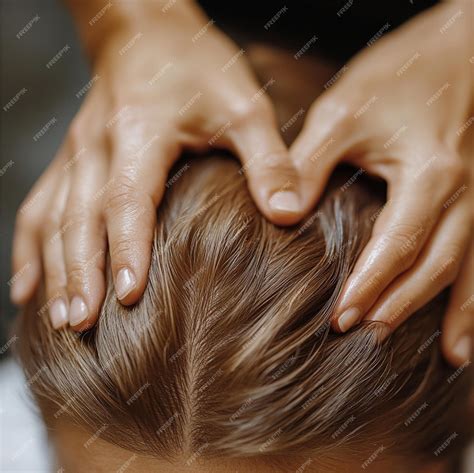
One of the key elements of a Japanese head spa is the massage. OK, a DIY scalp massage might not be quite as relaxing as a professional salon treatment, but this is all about self-care. After rinsing away your shampoo, gently work your scalp in small, circular movements using your fingertips or scalp massager. Start where your forehead joins your scalp and cover every centimetre of your head until you reach the nape of your neck. It’s recommended to spend between five and 20 minutes massaging your scalp. Finish by gently pressing your fingertips to your temples.
Many hair trends are based around the belief that they can help with growth. Sadly, in most cases, there’s no hard proof any of these remedies can magically help hair grow, but often they can promote increased blood flow to the scalp and contribute to healthy hair follicles.
Step 4: Deep Conditioning with a Mask
The final step of your DIY head spa is a mask. Apply your hair mask generously all over your head, enjoying the gently cooling sensation. Comb it through lengths and ends to coat all strands of your hair and massage into your scalp (again, with fingertips or scalp massager).
At head spas, steam is often used at this stage to open the hair cuticles, allowing the mask to penetrate deeply. Fancy adding steam to your DIY spa? Soak a towel in hot water, wring it out (when it’s cooled enough to touch) and put it on your head, over the mask, for 10-15 minutes. You could also sit in a steamy bath while the hair mask gets to work. If you go for the bath method, we recommend adding a few drops of a complementary body wash to inhale those relaxing aromas.
Step 5: Rinse and Style
If you have a handheld shower attachment, use this on a low setting to gently rinse away your mask. Pay attention to the sensation of the warm water sprinkling your scalp and the sound of the water flowing. Afterwards, dry and style your hair with your usual method and products.
Professional Head Spa Treatments: What to Expect
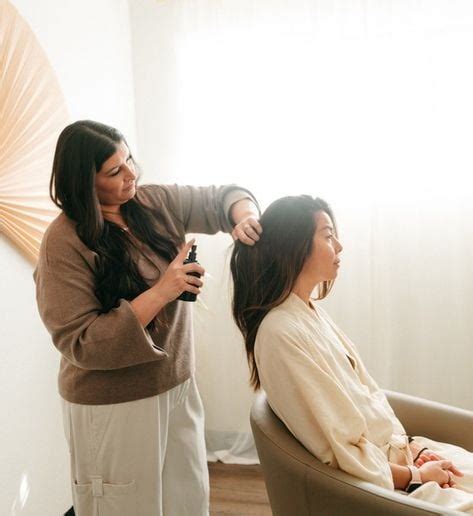
For those seeking a professional experience, head spas offer a multi-sensory journey. A typical professional head spa treatment involves several key stages:
Consultation and Scalp Analysis
The process begins with a thorough consultation to discuss your hair and scalp concerns. A microscope analysis is often used to identify issues like dry flakes, dandruff, redness, irritation, oil build-up, product build-up, scalp acne, or dormant hair follicles. This allows for a tailored treatment plan.
Pre-Cleanse and Exfoliation
The treatment might start with dry brushing to loosen impurities. A high-frequency comb can be used to promote blood circulation and offer a germicidal effect. This is followed by a deep cleansing step, often involving a scalp scrub to gently remove build-up.
Scalp Massage and Treatment Application
A significant portion of the head spa is dedicated to an extensive scalp massage, using various techniques to stimulate circulation and promote relaxation. During this, specialized masks or ampoules are applied to address specific needs, such as hydration, nourishment, or hair loss prevention.
Steaming and Enhanced Penetration
To maximize the efficacy of the treatments, steam is often used. This can be achieved with a professional steamer or a hot, wet towel. The steam opens the hair cuticles, allowing the active ingredients to penetrate deeper into the scalp and hair.
Post-Treatment Analysis and Styling
After rinsing and conditioning, a final scalp analysis may be performed to show the client the visible improvements. The hair is then styled as usual.
This ASMR Head Spa Will Put You to SLEEP Instantly 😴💤
Types of Professional Head Spa Treatments
Salons often offer a range of head spa treatments tailored to different needs:
Classic Head Spa Treatment
Ideal for those dealing with dryness, irritation, or excess oil. It focuses on deep scalp cleansing and exfoliation, combined with hydration and nourishment for the hair and scalp, and balances scalp oil production.
Lite Head Spa Treatment
A shorter, more time-efficient version for busy clients seeking a refreshing scalp cleanse and a relaxing, stress-reducing experience.
Hair Loss Head Spa Treatment
Specifically designed for clients struggling with hair loss or excessive shedding. This treatment emphasizes scalp stimulation and hair strengthening to nourish the scalp, promote growth, and improve overall hair health.
Bond Repair Head Spa Treatment
A deep repair and strengthening treatment for very damaged hair. It aims to rebuild hair bonds, enhance elasticity, and restore hydration for healthier, more resilient hair.
Why Head Spas are a Growing Trend in Salons
Head spa treatments are becoming a must-have service in salons and spas worldwide as self-care and wellness continue to rise in popularity. Japanese head spas are projected to be a major spa trend, showing a significant increase in searches year over year. This indicates that it's not just a passing fad but a treatment here to stay.
What Head Spas Bring to Salons
- Holistic Approach to Wellness: Offering head spa treatments demonstrates a commitment to clients' overall well-being, enhancing client experience and brand reputation.
- Personalized Service: Tailored treatments allow salons to address specific client needs, differentiating their business and providing a competitive advantage.
- Increased Revenue Potential: Head spa services create additional revenue streams, with salons charging anywhere from $85 to $250 per session. This also presents opportunities to upsell complementary products.
Understanding Common Scalp Issues Addressed by Head Spas
Head spas are particularly effective in addressing various common scalp conditions:
Dandruff
Dandruff can stem from various causes, including poor scalp hygiene, product build-up, dryness, oiliness, or fungal issues. Treatments focus on cleansing, balancing oil production, and soothing irritation.
Oily Scalp
An oily scalp is caused by excessive sebum production. While stripping all oils can worsen the issue, head spa treatments aim to balance oil levels without disturbing the scalp's natural barrier, using clarifying shampoos and scalp scrubs.
Dry and Itchy Scalp
Dryness, often exacerbated by cold weather or overwashing, can lead to flakiness and itching. Treatments focus on deep hydration and nourishing the scalp.
Product Buildup
The frequent use of styling products can lead to residue buildup, clogging follicles and affecting scalp health. Exfoliation and deep cleansing are crucial for removing this.
DIY Hair and Scalp Treatments with Natural Ingredients
For those who prefer at-home remedies, several natural ingredients can be utilized:
- Tea Tree Oil: Known for its antifungal properties, it can be mixed with a carrier oil and massaged into the scalp.
- Aloe Vera Gel: Soothing and hydrating, it can be applied directly to the scalp.
- Apple Cider Vinegar: Helps restore scalp pH balance and prevent fungal growth. It should be diluted with water before application.
- Coconut Oil: Rich in lauric acid, it offers antifungal and moisturizing benefits.
- Yogurt and Honey Mask: Probiotics in yogurt and antimicrobial properties of honey can balance the scalp microbiome.
- Rosemary Oil: Recognized for stimulating blood circulation and promoting hair growth, it can also help soothe scalp irritation.
Note: While home remedies can offer relief, it's important to understand your specific scalp needs, as not all remedies work for everyone. Always patch-test and use mild, sulfate-free shampoos.