Healthy hair begins at the scalp, a principle recognized for centuries in various cultures, including Japanese, K-Beauty, and Traditional Chinese Medicine. While head spas offer a professional approach to scalp care, the benefits of a thorough scalp cleanse can be achieved at home, promoting healthier and more vibrant hair.
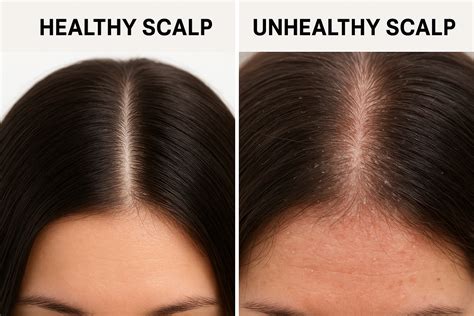
Understanding the Importance of Scalp Health
Just like the skin on your face, your scalp possesses a microbiome that requires maintenance to manage excess oil and encourage cell turnover. Neglecting scalp health can lead to various hair issues, as a congested scalp can impede hair growth and affect the overall condition of your hair.
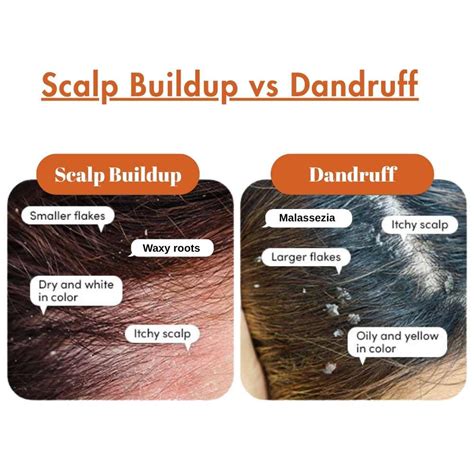
Signs your scalp might need a detox include redness, itchiness, increased oiliness or dryness, tenderness, or a burning sensation. Factors contributing to scalp buildup are:
- Hair products: Residues from gels, sprays, conditioners, and styling products can clog hair follicles over time.
- Environmental factors: Pollution, hard water, dirt, and dead skin cells can accumulate on the scalp.
- Natural oils and sweat: The body's natural secretions mix with other elements, contributing to buildup.
The Benefits of a Scalp Detox
A scalp detox is a deep cleansing practice that aims to remove buildup from products, oils, and dead skin cells. This process can:
- Boost hair growth: By clearing follicles and reducing congestion.
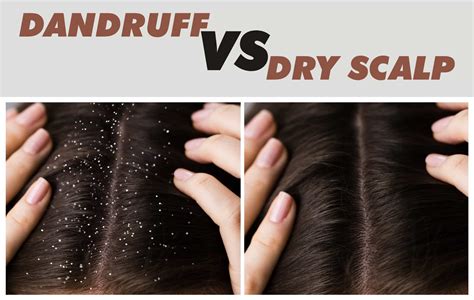
- Tackle dandruff and itching: Balancing sebum production and soothing the scalp.
- Promote shinier, softer hair: By providing a healthy foundation for hair to thrive.
- Improve scalp health: Reducing discomfort and revitalizing the scalp.
For those experiencing hair loss or changes in hair texture, a scalp detox can be a gentle and beneficial step towards improving overall hair health.
How to Detox Your Scalp at Home
Achieving a healthy scalp at home involves incorporating specific techniques and ingredients into your hair care routine. Here are key methods and remedies:
1. Clarifying Shampoo
Begin your detox with a clarifying shampoo designed to remove buildup and impurities. For maximum effectiveness, lather and leave the shampoo on your scalp for 3-4 minutes before rinsing to allow its surfactants to lift away dirt and residue.
2. Scalp Scrubs and Exfoliation
Regular exfoliation is crucial for removing dead skin cells and boosting blood circulation. You can opt for:
- DIY Scrubs: Simple combinations like sugar and olive oil, or coffee grounds and honey, can be gently massaged into the scalp and then rinsed thoroughly.
- Commercial Scrubs: Products containing exfoliating ingredients, such as dissolving Himalayan salt in shampoos, can turn a weekly cleanse into a spa-like ritual.
- Chemical Exfoliants: Gentle AHAs (like glycolic acid) or BHAs can be found in detox shampoos, pre-wash treatments, or toners to lift dead skin and control oil production.
3. Natural Remedies
Several natural ingredients can aid in scalp clarification and health:
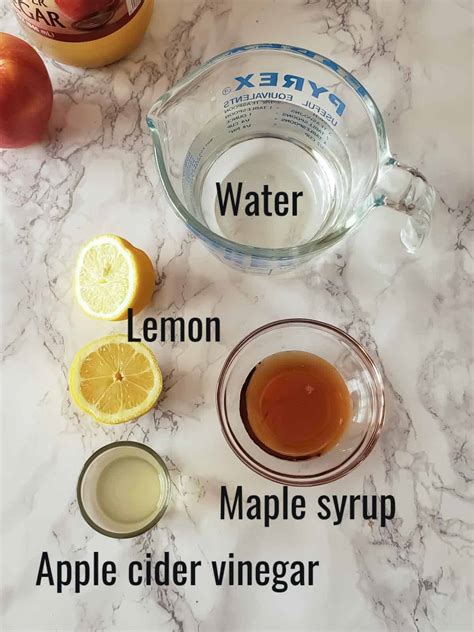
- Apple Cider Vinegar (ACV) Rinse: ACV helps restore pH balance, remove product buildup, and combat dandruff due to its antibacterial and anti-fungal properties. Mix equal parts ACV and water, apply to the scalp after shampooing, let sit for a minute or two, and rinse thoroughly.
- Lemon Juice: Similar to ACV, its acidic nature helps clarify hair naturally. It can be used in the same way as apple cider vinegar.
- Aloe Vera Extract: This ingredient soothes, cools, and moisturizes the scalp while helping to remove excess oil and product buildup. It can be applied directly to the scalp and roots.
- Baking Soda: A natural exfoliant that can remove buildup and leave hair feeling clean. Mix with a little water to form a paste, apply to the scalp, and gently massage.
- Essential Oils: Tea tree, peppermint, and eucalyptus oils have soothing and cleansing properties. Mix a few drops with your shampoo or a carrier oil and massage into the scalp.
4. Scalp Massage
A deep, rigorous scalp massage is a vital part of scalp care. It not only promotes relaxation but also:
- Improves blood circulation: Leading to a healthier, glowing complexion and scalp.
- Cultivates hair follicle health: Supporting hair growth by promoting blood flow to the follicles.
To perform a scalp massage at home, use your fingertips (not nails) to apply gentle pressure without scratching. You can also use a scalp comb for stronger stimulation and better blood flow mobilization. Massages can last 10-20 minutes.
Soothing scalp self massage for pain and stress reduction
5. Steaming Your Scalp
Scalp steaming can enhance the penetration of treatment products. You can achieve this at home using:
- Hair steaming tools or blow dryer attachments.
- A hot towel wrapped around your head after applying a treatment.
Scalp Detox for Different Hair Types
The approach to scalp detoxing may vary depending on your hair type:
- Curly Hair: Opt for a gentle clarifying shampoo. Focus on massaging the scalp without disturbing curls. Use a lightweight scalp oil like argan or jojoba afterward to hydrate.
- Black (Type 4) Hair: Pre-shampoo with a moisturizing oil (e.g., coconut, avocado) to loosen buildup. Use a cleansing and hydrating shampoo formulated for type 4 hair. Follow with a rich, nourishing conditioner.
- Natural Hair: Start with a gentle exfoliating scrub. Use a clarifying shampoo free of harsh chemicals. Finish with a balancing ACV rinse to restore pH.
- Colored Hair: Choose a color-safe clarifying shampoo. Limit detox treatments to once or twice a month to avoid stripping color or moisture. Follow with a hydrating mask.
- Oily Hair: Use a clarifying shampoo with ingredients like tea tree oil or salicylic acid. Concentrate shampoo application on the scalp and roots. Avoid heavy oils and styling products.
Ongoing Scalp Care and Maintenance
Consistent scalp care is essential for maintaining healthy hair year-round:
- Moisture Boost: After a detox, apply a lightweight scalp oil or serum to keep the scalp hydrated.
- Product Moderation: Use gentle shampoos and go easy on styling products to allow the scalp to breathe.
- Healthy Diet: Consume nutrient-rich foods like fruits, vegetables, and lean proteins to support scalp health from within.
- Sun Protection: Shield your scalp from the sun's harsh rays with UV protection sprays or hats.
- Manage Sweat: Keep the scalp fresh during hot weather or workouts by tying hair up, using sweat-wicking headbands, or rinsing hair with water after exercise.
- Rinse After Swimming: Remove saltwater or chlorinated water after swimming to prevent dryness.
Common Scalp Detox Mistakes to Avoid
To ensure the best results and prevent irritation, be mindful of these common pitfalls:
- Over-exfoliation: Can strip natural oils, leading to dryness and irritation. Scrub gently and stick to a suitable routine.
- Harsh Products: Using chemical-laden products can disrupt the scalp's delicate balance. Opt for gentle, natural ingredients.
- Too Many Products: Piling on products, even scalp-friendly ones, can lead to buildup and clogged pores. Keep your routine simple.
- Inconsistent Routine: Irregular scalp care disrupts balance, leading to issues like buildup and dandruff. Establish a regular routine.
Frequently Asked Questions About Scalp Detox
How often should I detox my scalp?
For most people, once a month is sufficient. However, those with oily scalps or who use many styling products may benefit from more frequent detoxing. Pay attention to your scalp's signals, such as redness, itchiness, or excess dandruff.
Is scalp detoxing safe for all hair types?
Yes, scalp detoxing can benefit all hair types. The key is to choose products and methods that are gentle and suited to your specific hair needs, whether it's fine, thick, colored, or natural hair.