Hormonal imbalances can significantly contribute to acne, presenting challenges that conventional treatments may not fully address. Homeopathy offers a holistic approach, focusing on individual symptoms and internal balance to manage acne effectively. This approach aims to heal the skin from within, rather than just providing temporary surface relief.
Understanding Hormonal Acne
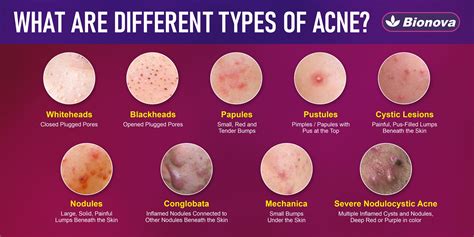
Acne vulgaris, a common skin condition, particularly affects adolescents but can persist into adulthood. It is characterized by the formation of comedones, papules, pustules, cysts, and nodules, and in some cases, can lead to scarring. While the exact etiology is not always clear, it is often associated with follicular hyperkeratosis, hypersecretion of sebaceous glands, Propionibacterium acnes colonization, hypersensitivity, and chronic inflammatory reactions.
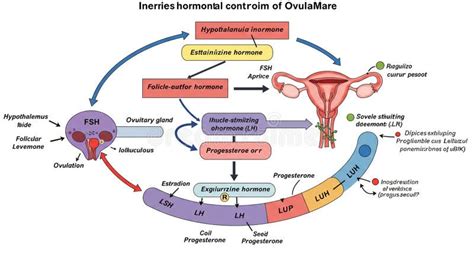
Hormonal fluctuations are a key factor in acne development. Androgens, such as testosterone, stimulate oil glands and increase sebum production. Progesterone also increases sebum secretion, while estrogen tends to reduce it. Although many patients with acne have normal endocrine profiles, imbalances in the estrogen-androgen balance can significantly impact skin health. Hormonal acne typically affects women more than men, often worsening during menstrual cycles, pregnancy, perimenopause, and menopause, as well as during times of stress when androgen levels rise and estrogen levels fluctuate.
Genetics also play a role, influencing oil gland size and function, hormone levels, and immune responses. Some individuals inherit an overactive immune response to acne triggers like bacteria. Cutibacterium acnes (formerly Propionibacterium acnes) bacteria, which reside on the skin, can trigger inflammation, especially when their levels are high.
Environmental and lifestyle factors, while not direct causes of hormonal acne, can exacerbate it. These include smoking, chronic stress, poor sleep, humidity, pollution, and harsh skincare products. Diet also plays a crucial role; high glycemic load diets and dairy products are often implicated as exciting factors. Western diets, often rich in omega-6 fatty acids and low in omega-3s, combined with refined carbs and saturated fats, can contribute to inflammation and acne.
Homeopathic Principles for Acne Treatment
Homeopathy views acne as a manifestation of internal imbalance. The treatment focuses on selecting a medicine that most closely matches the totality of the individual's symptoms, aiming to stimulate the body's self-healing mechanisms. This individualized approach considers physical, emotional, and mental characteristics.
Key Homeopathic Remedies and Their Indications:
Several homeopathic remedies are indicated for acne, with specific symptoms guiding the selection:
- Remedy for Acne Aggravated by Rich Foods and Heat: This remedy is beneficial if acne worsens after consuming rich or fatty foods and is aggravated by warmth or heat. It is particularly suited for acne occurring around puberty or near menstrual periods. Individuals may have a fair complexion, be prone to soft emotions and moodiness, feel worse in warm or stuffy rooms, and better in fresh air. They are often chilly but tend to sweat at night. This remedy can help acne located on the forehead and back, which flares up periodically.
- Remedy for Deep-Seated Acne with Low Immunity: Individuals with deep-seated acne, general low immune resistance, swollen lymph nodes, and a tendency toward fatigue and nervousness may benefit from this remedy. Infected spots are slow to develop and resolve, potentially leading to scarring.
- Remedy for Pustular Acne with Tender Pustules: This medicine is indicated for acne with large, tender pustules and bluish-red marks that persist after the infection has cleared. The person may be irritable with low resistance to illness. It can also help those with frequent pimples, who are chilly with clammy hands and feet, easily tired, and flabby or overweight, by improving the skin's resistance to infection. Cravings for sweets and eggs, and anxiety when overworked, are characteristic.
- Remedy for Suppurating Juvenile Acne: This medicine is appropriate for juvenile acne that suppurates and causes boils. When applied locally, it can stimulate the healing of pustules and limit the risk of superinfection. It is also useful for pustular acne aggravated by cold weather, with foul-smelling pus.
How Homeopathic Treatment is Administered
In conditions where self-treatment is appropriate, a lower potency (6X, 6C, 12X, 12C, 30X, or 30C) is generally recommended, unless otherwise directed by a healthcare professional. Instructions for use are typically provided on the product label.
A common approach suggested by homeopathic practitioners involves taking a single dose and observing the body's response. If improvement is noted, it is advised to wait and allow the medicine to work. If improvement stalls or stops, another dose may be taken. The frequency of dosage is highly individualized and depends on the specific condition and the person's reaction, ranging from several times an hour to once a day or less.
If no response is observed within a reasonable timeframe, it may indicate that a different remedy is needed.
Clinical Evidence and Approaches
Studies have explored the efficacy of homeopathic medicines in treating acne. One study involving 400 cases of acne vulgaris, treated with oral homeopathic medicine (Sulphur or Tuberculinum) based on clinical case history, showed significant improvements in 96.75% of cases within six months, with many experiencing cures within three months. A control group receiving only placebo showed no changes. This study indicated a role for homeopathic medicines in treating both non-inflammatory and inflammatory acne, including the remission of acne associated with scars.
The pathogenesis of acne is multifactorial, involving excess sebum production, androgen activity, bacterial colonization, alterations in sebum lipid quality, and follicular hyperkeratinization. Homeopathic medicine for acne works by identifying and correcting these internal imbalances, such as hormonal fluctuations, excess oil production, stress, and digestive or lifestyle issues.
Homeopathy is considered a gentle, non-toxic, and chemical-free approach, making it suitable for teenagers, adults, and individuals with sensitive skin. Results can vary based on the severity and triggers of acne, but many individuals report reduced breakouts and improved skin health within weeks of consistent treatment.
Treating Hormonal Acne | Dermatologist Tips
Complementary Approaches and Lifestyle Modifications
Beyond specific homeopathic remedies, several complementary strategies and lifestyle adjustments can support acne management:
- Dietary Considerations: A nourishing diet is crucial for hormonal balance. Incorporating cruciferous vegetables (broccoli, kale, cabbage) can aid in clearing excess hormones. Lean proteins such as beans, chicken, fish, and turkey provide essential building blocks for hormone production. Avoiding or reducing dairy products, refined carbohydrates, and saturated fats may also be beneficial.
- Nutritional Support: Antioxidants like vitamins A, E, zinc, and selenium play a role in countering oxidative stress associated with acne. Zinc has been shown to reduce inflammation and androgen levels. Vitamin D may help prevent acne lesions, reduce oil production, and control bacterial growth.
- Herbal Support: Certain herbs can help balance hormones and improve hormonal acne. Chaste tree (Vitex agnus-castus) and saw palmetto are particularly noted for their benefits. Other herbs with antimicrobial, anti-inflammatory, and antioxidant properties, such as bittersweet, Berberine, and Curcumin, may also be helpful.
- Essential Oils: Essential oils with antimicrobial, anti-inflammatory, and antioxidant properties have shown promise. Tea tree oil, rosemary, and lavender oils can be beneficial, but must always be diluted in a carrier oil (like coconut, jojoba, or almond oil) before topical application to prevent irritation.
- Lifestyle Factors: Managing stress, ensuring adequate sleep, and avoiding smoking are important for overall hormone balance and skin health. Gentle cleansing of the face twice daily or after sweating helps remove excess sebum. It is also advisable to avoid touching the face frequently and to refrain from picking, popping, or squeezing blemishes to reduce the risk of scarring and dark spots.
Conventional treatments for acne include topical medications (retinoids, antibiotics, benzoyl peroxide) and systemic treatments (oral antibiotics, hormonal therapies, isotretinoin). While these can be effective, they may also come with side effects such as dryness, discomfort, or more significant systemic effects. Homeopathy offers an alternative that seeks to address the root cause of acne without the harsh side effects commonly associated with conventional therapies.