Permethrin is a synthetic insecticide belonging to the pyrethroid family, derived from chrysanthemum flowers. It is widely used in health programs for insect control, including mosquito control, and is applied to buildings and clothing. Its efficacy extends to controlling pests in areas where food is handled, such as restaurants.
Permethrin is available in various formulations, including aerosol solutions, sprays, and treated clothing. It is also used in veterinary medicine, particularly for flea and tick treatments on dogs.
Key Applications of Permethrin:
- Control of head lice on people.
- Treatment of scabies (mites that attach to the skin).
- Insect control in various environments.
- Veterinary applications for flea and tick prevention in dogs.
Understanding Permethrin's Mechanism of Action
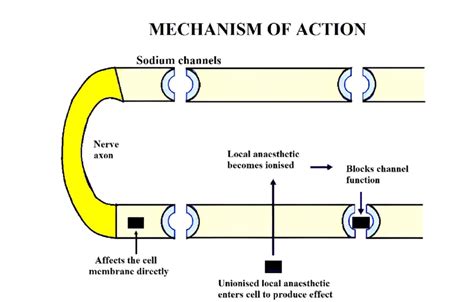
Like natural pyrethrins, permethrin acts as a neurotoxin by disrupting the sodium channel current in nerve cell membranes of parasites. This leads to a delay in repolarization, causing paralysis of the nerves and, ultimately, death of the parasite. At a concentration of 1%, permethrin is effective against lice (pediculicidal), and at 5%, it is effective against scabies mites (scabicidal).
Permethrin also exhibits ovicidal effects against lice, meaning it can kill unhatched eggs. Residues remaining on the hair for up to two weeks can kill newly hatched nymphs before they can mature and lay eggs. Studies have shown that permethrin 1% cream rinse can kill a high percentage of lice and nits, even when diluted.
Permethrin for Head Lice Treatment
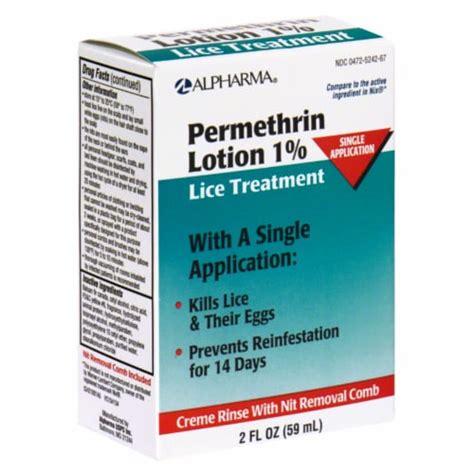
Permethrin 1% lotion is a common and effective over-the-counter treatment for head lice. It is approved for use on children two months of age and older.
How to Use Permethrin Lotion for Head Lice:
- Wash hair with regular shampoo, but do not use conditioner.
- Rinse thoroughly and towel-dry the hair until just damp.
- Shake the permethrin lotion well before use.
- Cover eyes with a towel during application.
- Completely cover the hair and scalp with the lotion, paying special attention to areas behind the ears and along the hairline at the neck.
- Leave the lotion on for 10 minutes (or as directed by your doctor).
- Rinse hair and scalp thoroughly with warm water, preferably over a sink to minimize skin exposure.
- Towel-dry hair and comb out any tangles.
- A fine-toothed comb can be used to remove dead lice and nits (eggs) after treatment.
A single permethrin treatment can help prevent lice from returning for up to 14 days. If live lice are seen seven days or more after the initial treatment, a second application may be necessary. Some sources suggest retreatment on day nine to kill any newly hatched lice before they can produce new eggs.
Important Considerations for Head Lice Treatment:
- Avoid contact with eyes, nose, mouth, vagina, or other mucous membranes. If contact occurs, flush with plenty of water.
- Do not use more medication than prescribed.
- If eyebrows or eyelashes are infested, consult a doctor before applying permethrin.
- Proper hygiene and environmental cleaning are crucial to prevent reinfestation. This includes washing clothing, bedding, and towels in hot water and drying them on a hot cycle. Brushes and combs should be soaked in hot water or alcohol.
Permethrin for Scabies Treatment
Permethrin 5% cream is a first-line treatment for scabies, a skin infestation caused by mites. It is approved for use in adults and children two months of age and older.
How to Use Permethrin Cream for Scabies:
- Wash and dry the skin thoroughly.
- Massage the cream into the skin from the neck down to the soles of the feet, paying special attention to skin creases, hands, feet, between fingers and toes, underarms, and the groin area.
- For infants and the elderly, the cream should also be applied to the scalp, hairline, temples, and forehead.
- Leave the cream on the skin for 8 to 14 hours.
- Wash off the cream by bathing or showering.
- Change into clean clothes.
A second treatment may be necessary if live mites are seen two weeks (14 days) after the first application. Itching may persist for up to four weeks after successful treatment, which does not necessarily indicate treatment failure.
Important Considerations for Scabies Treatment:
- All close contacts and sexual partners from the previous two months should also be treated to prevent re-infestation.
- Clothing, bedding, and towels used by infected individuals should be washed in hot water and dried on a hot cycle. Items that cannot be washed can be sealed in a plastic bag for at least 2 to 3 days.
Permethrin Formulations and Availability
Permethrin is available in several formulations:
- 1% Lotion (Cream Rinse): Primarily used for head lice treatment.
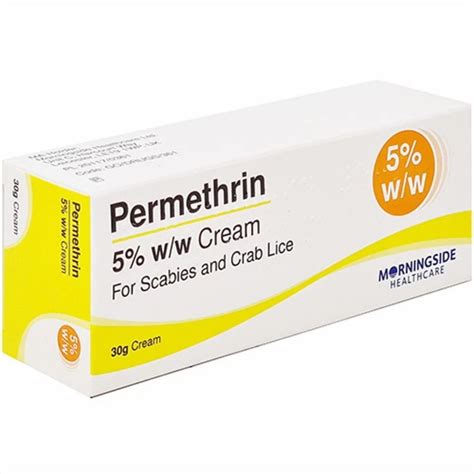
- 5% Cream: Primarily used for scabies treatment.
Many permethrin-based head lice mehtml
Permethrin: A Comprehensive Guide to Its Use in Treating Lice and Scabies
Permethrin is a synthetic insecticide belonging to the pyrethroid family, closely related to naturally occurring pyrethrins derived from the chrysanthemum flower. Initially developed for controlling insects in various settings, including health mosquito control programs, buildings, and on clothing, permethrin has found significant application in human health, particularly for treating parasitic infestations like head lice and scabies.
Understanding Permethrin
Permethrin is a synthetic pyrethroid, similar in structure and function to natural pyrethrins. Its primary mechanism of action involves disrupting the sodium channel current in the nerve cell membranes of parasites. This disruption leads to a delayed repolarization, resulting in paralysis of the parasite's nervous system and ultimately, death. At a concentration of 1%, permethrin is effective against lice (pediculicidal), while a 5% concentration is effective against mites (scabicidal).
While permethrin effectively kills live lice, it is not as effective against unhatched eggs (nits). However, residues of permethrin on the hair can remain for up to two weeks, potentially killing newly hatched lice before they can produce new eggs. This residual effect can be beneficial in preventing re-infestation.
Permethrin for Head Lice Treatment
Permethrin is a common active ingredient in many over-the-counter medications approved by the FDA for the treatment of head lice. The brand name product Nix is a well-known example containing permethrin.
Application and Efficacy
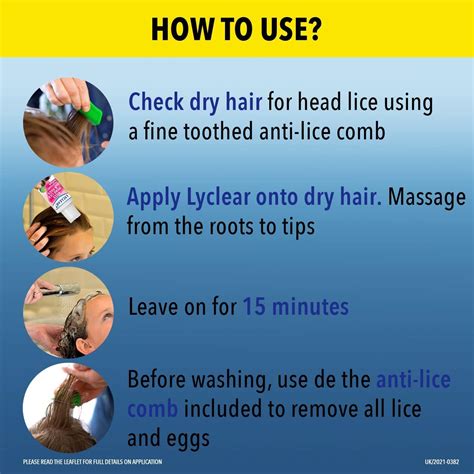
Permethrin 1% lotion is typically applied to dampened hair and scalp after washing with regular shampoo (without conditioner) and towel-drying. The lotion should be thoroughly applied, covering the entire hair and scalp, with particular attention to areas behind the ears and at the hairline. It is left on for 10 minutes before being rinsed off with warm water. After drying, a fine-toothed comb can be used to remove any remaining nits or dead lice.
While a single permethrin treatment can be effective, a second treatment is often recommended on day 9 to kill any lice that may have hatched from nits missed during the initial application. This retreatment strategy is crucial for ensuring complete eradication.
Permethrin is approved for use on children two months of age and older. However, it's important to note that some resistance to 1% permethrin has been observed in lice populations, although the prevalence of this resistance is not always well-studied or known.
Important Considerations for Head Lice Treatment:
- Avoidance of Eyes: Care must be taken to avoid getting permethrin in the eyes, nose, mouth, or vagina. If accidental contact occurs, flush the affected area with plenty of water.
- Shampoo and Conditioner: Do not use conditioner before applying permethrin lotion, as it can reduce the product's effectiveness.
- Retreatment: If live lice are seen seven days or more after the initial treatment, a second treatment may be necessary.
- Nit Removal: After treatment, the hair should be checked daily for nits. Nits can be removed by combing, by hand with gloves, or by cutting them out.
- Environmental Decontamination: To prevent re-infestation, all recently used clothing, bedding, towels, and personal items such as hats, scarves, and hairbrushes should be washed in hot water and dried on a hot cycle, dry-cleaned, or sealed in a plastic bag for at least two weeks.
Permethrin for Scabies Treatment
Permethrin 5% cream is a first-line treatment for scabies, a skin infestation caused by the mite Sarcoptes scabiei. It is approved for use in adults and children two months of age and older.
Application and Efficacy
The permethrin 5% cream should be applied as a thin layer to the entire skin surface from the neck down to the soles of the feet. Special attention should be paid to skin folds, creases, and areas between the fingers and toes. For infants and the elderly, the cream should also be applied to the scalp, hairline, temples, and forehead.
The cream is typically left on the skin for 8 to 14 hours before being washed off by bathing or showering. Itching may persist for up to four weeks after treatment, even if the treatment has been successful, due to a hypersensitivity reaction to the mite's byproducts.
If live mites are still present two weeks after the initial application, a second treatment may be necessary. It is also crucial to treat all close contacts and sexual partners simultaneously to prevent re-infestation.
Important Considerations for Scabies Treatment:
- Full Body Application: Ensure the cream covers the entire body to effectively eliminate all mites.
- Duration of Treatment: Adhere to the recommended time the cream should remain on the skin.
- Post-Treatment Itching: Understand that persistent itching is common and does not necessarily indicate treatment failure.
- Contact Tracing: Promptly treat all household members and close contacts.
- Environmental Measures: Wash clothing, bedding, and towels used by infected individuals in hot water.
Safety, Toxicity, and Drug Interactions
Permethrin generally has low acute toxicity when applied topically, as it is rapidly metabolized by esterases in the skin and other tissues. However, potential side effects can occur.
Potential Side Effects:
- Skin Irritation: Mild burning, stinging, tingling, itching, redness, swelling, or rash at the application site can occur.
- Scalp Irritation: For head lice treatment, scalp irritation, including itching, swelling, or redness, may occur and may temporarily worsen after treatment.
- Ocular Irritation: Contact with the eyes can cause redness, pain, or burning.
Serious side effects are rare but can include difficulty breathing, severe skin irritation, or infected areas. In cases of accidental ingestion, symptoms like vomiting, diarrhea, and loss of consciousness can occur, requiring immediate medical attention.
Carcinogenicity and Mutagenicity:
Studies on permethrin have yielded mixed results regarding carcinogenicity. While it did not exhibit carcinogenic effects in rat studies, some mouse studies showed an increased incidence of pulmonary adenomas and, in female mice, pulmonary alveolar cell carcinomas and benign liver adenomas. Permethrin has not shown mutagenic potential in various genetic toxicity studies.
Reproduction studies in animals have not shown impaired fertility or harm to the fetus. However, there are no adequate controlled studies in pregnant women using topical permethrin. Therefore, it should be used during pregnancy only when clearly needed, and pregnant women should consult their clinician before self-medicating.
Drug Interactions:
While specific drug interactions are not extensively documented for topical permethrin, it is always advisable to inform your healthcare provider about all medications you are taking, including prescription, over-the-counter, and herbal products, to avoid potential interactions.
Environmental Considerations:
Permethrin can be toxic to aquatic life. When used as an insecticide, care should be taken to prevent it from entering drains, sewers, or water bodies. It evaporates easily from surfaces and degrades in sunlight, with a half-life typically between one and three weeks. It generally does not contaminate groundwater.
Comparison with Other Treatments
While permethrin remains a common first-line treatment, other options exist for head lice and scabies. For head lice, treatments like pyrethrins, benzyl alcohol, ivermectin, malathion, and spinosad are available, each with its own mechanism of action, efficacy, and potential for resistance. Newer non-insecticidal agents such as dimethicone also show promise.
For scabies, oral ivermectin is another effective treatment option, and some studies suggest that a combination of permethrin and oral ivermectin may be highly effective for crusted scabies. However, the best treatment approach should always consider individual factors like efficacy, safety, local resistance patterns, and the ability to administer the medication correctly.
Conclusion
Permethrin is a widely used and generally effective insecticide for treating common ectoparasitic infestations like head lice and scabies. Understanding its mechanism of action, proper application techniques, potential side effects, and the importance of adherence to treatment protocols is crucial for successful outcomes. While resistance can be a concern, permethrin remains a valuable tool in managing these conditions when used appropriately and under the guidance of a healthcare professional.
Permethrin lotion and cream as insecticide | For lice and scabies
tags: #permethrin #spray #for #lice