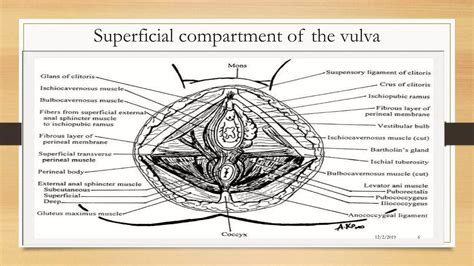
Vaginal itching, medically termed vaginitis, signifies inflammation of the vagina. When this inflammation extends to the external genital area, it is called vulvovaginitis. The vulva encompasses the external genitalia, including the clitoris, labia, urethra, and vaginal opening, while the vagina is the internal canal connecting the vulva to the cervix. Differentiating between vaginal and vulvar itching is crucial, as their causes and treatments can differ.
Common Causes of Vaginal Itching
An itchy vaginal area can stem from various factors, ranging from chronic skin conditions to sexually transmitted infections (STIs). Here are some of the most likely explanations for vaginal itching:
Infections
Infections are a primary suspect when experiencing vaginal itching. While not all vaginal infections lead to vulvovaginitis, several common ones do:
Yeast Infections (Vaginal Candidiasis)
Yeast infections are caused by an overgrowth of the fungus Candida, most commonly Candida albicans. Symptoms typically include:
- Vaginal itching, redness, or soreness
- Abnormal discharge that is white and clumpy, resembling cottage cheese
- Burning or pain during sexual intercourse
- Soreness or stinging sensation when urinating
Cytolytic Vaginosis (CV)
CV occurs when there is an overgrowth of Lactobacilli, the beneficial bacteria in the vaginal microbiome. The symptoms of CV are very similar to those of a yeast infection, leading to frequent misdiagnosis. This condition is not yet fully understood, and researchers are still working to identify the specific Lactobacillus species responsible and the "too much" levels.
Sexually Transmitted Infections (STIs)
An itchy vaginal area after sexual contact can indicate an STI. While there are over 30 known STIs, not all cause vaginal itching. Some notable ones include:
Trichomoniasis
Also known as "trich," this STI is caused by the parasite Trichomonas vaginalis.
Chlamydia
Caused by the bacterium Chlamydia trachomatis, chlamydia is often asymptomatic but can present with:
- Abnormal discharge (white, yellow, or foul-smelling)
- Vaginal itching and burning
- Pus in the urine (pyuria)
- Frequent urge to urinate
- Pain or burning during urination
- Pain during sexual intercourse
- Lower abdominal pain or tenderness
- Vaginal bleeding between periods
- Painful menstrual periods
Genital Herpes
Caused by herpes simplex virus types 1 and 2, symptoms may include:
- Blisters or sores on the vulva, thighs, or buttocks
- Vaginal itching and burning
- Pain or discomfort during urination
- Abnormal discharge
Pubic Lice (Crabs)
These tiny insects infest body hair, including pubic hair, and are typically spread through sexual contact. Symptoms can include:
- Intense itching, often worse at night
- Irritation and inflammation from scratching
- Small blue spots or blood spots on the skin of the lower abdomen or thighs
Urinary Tract Infections (UTIs)
Bacterial infections affecting the kidneys, bladder, or urethra can cause:
- Burning or stinging sensation during urination
- An intense and frequent need to urinate
- Itching in the urethra, which can be felt as vulvar itching
- A sensation of incomplete bladder emptying
- Cloudy or red urine with a strong or foul odor
- Lower abdominal and pelvic pain
- Fever
Skin Conditions
Itching of the vulva without discharge can sometimes be attributed to skin disorders:
Lichen Planus
This chronic skin condition can cause a dry, itchy rash on the labia, clitoris, and vaginal opening, along with other body parts. Other symptoms include:
- Pain or burning around the vulva and vagina
- Soreness, burning, and itching around the vulva
- Pain during sexual intercourse or urination
- Bleeding after intercourse
- Abnormal vaginal discharge
Lichen Sclerosus
A long-term inflammatory skin condition causing white, dry patches on the vulva and anus. Symptoms vary, but common signs include:
- Dry, white patches on the vulva
- Itching and soreness of the vulva, potentially worsening at night
- Tearing and bruising of the skin
- Discomfort and pain around the vulva and vagina
- Pain during sexual intercourse
- Bleeding, blistering, or ulcers on the vulva
Vulvar Dermatitis (Contact Dermatitis)
This occurs when the sensitive skin of the vulva comes into contact with an irritant. Common culprits include chemical irritants in everyday products like fabric softeners, bubble baths, creams, scented soaps, or certain clothing fabrics. Symptoms include:
- Redness or rash
- Severe itching and burning
- Cracked, scaly, dry skin, blisters, and bumps
- Swollen or tender vulva
Eczema
An inflammatory skin condition that can affect the vulva, causing redness, dryness, and itching. Stress and allergic reactions to chemical irritants can trigger eczema.
Vaginal Dryness
Vaginal dryness and itching are closely linked. The hormone estrogen is vital for maintaining vaginal health, keeping the vaginal mucosa thick, lubricated, and elastic. Declining estrogen levels, often due to hormonal changes during perimenopause, can lead to drier, more delicate vaginal tissues. Symptoms include:
- Vaginal itching and soreness
- Redness and inflammation of the vulva
- Pain or discomfort during and after sexual intercourse
- Bleeding after intercourse
Razor Burn
Shaving can sometimes cause a painful, itchy rash on the vulva. Itchiness may also occur as the hair begins to grow back.
Sexual Activity
Itching after sex can occur for several reasons, not always related to STIs. Friction during penetration can irritate sensitive vaginal and vulvar tissues, especially with insufficient arousal. Reactions to condoms, lubricants, or spermicides can also cause itching.
Vulvar Cancer
Although rare, persistent vulvar itching can be a sign of vulvar cancer. Other symptoms may include:
- An open sore or growth on the skin
- Bleeding, pain, or soreness
- Thickened, raised, red, white, or dark patches on the skin
- A mole that changes shape or color
- A lump or swelling in the groin
- Burning or pain during urination
It is important to remember that vulvar cancer is uncommon, and these symptoms can often be indicative of more benign conditions like skin issues or vaginal infections. If you notice any unusual changes, consult a healthcare provider.
Why Is Vaginal Itching Worse at Night?
Vaginal itching can become more bothersome at night for several reasons:
- Reduced Distractions: During the day, your brain is occupied with various activities, making you less aware of discomforts. At night, as things quiet down, you become more attuned to sensations like itching.
- Body's Natural Rhythms: At night, your skin, including the delicate vulvar skin, can become warmer and more sensitive, potentially intensifying any irritation from infections, allergic reactions, or dryness.
- Trapped Moisture and Heat: Wearing tight underwear or sleeping in non-breathable fabrics can trap moisture and heat, exacerbating itching. This environment can also worsen symptoms of yeast infections or bacterial imbalances.
If nighttime itching disrupts your sleep, consider wearing loose, breathable underwear or sleeping without any, and avoid scented soaps or products that might cause irritation. If the itching persists, consider a vaginal health test to identify the underlying cause.
Treatment Options for Vaginal Itching
The first step in managing vulvar and vaginal itching is to seek a diagnosis from a healthcare provider, as the treatment depends on the underlying cause.
Medical Treatments
Depending on the diagnosis, a healthcare provider may prescribe:
Antifungal Medications
For yeast infections, antifungal creams (e.g., miconazole) or oral medications (e.g., fluconazole) may be prescribed. These can be applied as intravaginal creams or suppositories.
Antibiotics
If bacterial vaginosis or a bacterial STI is the cause, antibiotics like metronidazole or clindamycin might be prescribed. It is crucial to complete the full course of antibiotics, even if symptoms improve.
Antiviral Medications
For viral infections such as genital herpes, antiviral medications (e.g., acyclovir, valacyclovir) can help manage symptoms and reduce the frequency of outbreaks.
Steroid Creams
For skin conditions like eczema or lichen sclerosus, topical steroid creams can be prescribed to reduce inflammation and itching.
Comprehensive vaginal microbiome tests can also be helpful for recurrent symptoms, screening for various microbes and common STIs. A licensed provider can review results and offer a personalized treatment plan.
Home Remedies for Vulvar or Vaginal Itching
Several home remedies may offer temporary relief:
- Colloidal Oatmeal Baths: Soaking in a bath with colloidal oatmeal for about 20 minutes can soothe itching.
- Cold Compresses: Applying a cold compress to the vulva can help reduce swelling and numb the area.
- Baking Soda Baths: Adding ¼ cup of baking soda to a warm bath or applying it as a paste can help relieve itching, particularly for dry skin or genital herpes lesions. A diluted solution of baking soda (½ teaspoon per liter of water) can also be used for washing the vulva.
- Probiotics: Consuming foods rich in probiotics (like yogurt) or taking probiotic supplements can help restore a healthy balance of bacteria in the vagina, potentially aiding in the treatment of yeast infections.
- Moisturizing Oils: Applying natural oils like coconut or tea tree oil (diluted in a carrier oil) externally can help moisturize and may have antibacterial or antifungal properties. Avoid using these oils if using condoms.
- Aloe Vera Gel: Applying pure, fragrance-free aloe vera gel to the itchy area can provide a soothing effect and reduce irritation.
It is advisable to avoid home remedies containing essential oils or fragrances, as these can further irritate the skin. Always consult with a healthcare provider before trying new remedies, especially if symptoms are severe or persistent.
What causes yeast infections, and how do you get rid of them? - Liesbeth Demuyser
When to Consult a Doctor
While home remedies can offer temporary relief, it is essential to seek medical attention if:
- The itching is persistent (lasts more than a week) or severe.
- You experience burning or discomfort during urination.
- Blisters or sores appear on the external vaginal skin.
- There is swelling or redness in the vaginal area.
- You have pain in the genital region or during intercourse.
- You notice unusual vaginal discharge (e.g., thick, yellow, green, or gray; frothy; cottage cheese-like texture; foul odor).
A doctor can accurately diagnose the cause of vaginal itching and recommend the most appropriate treatment, which may include prescription medications, hormone therapy (for estrogen deficiency), or other interventions.