When it comes to advanced aesthetic treatments, "pulses" or "passes" refer to targeted bursts of energy that are key to delivering effective and lasting results. From pulse laser treatments to Intense Pulsed Light (IPL) therapy, these pulses are essential in improving skin texture, tone, and elasticity.
Understanding Pulse-Based Treatments
Pulses are controlled bursts of energy delivered through aesthetic devices during a treatment. These can take the form of light pulses (such as Intense Pulsed Light or IPL), radiofrequency (RF) energy, or ultrasound waves, depending on the treatment.
The Importance of Pulse Count
It's a common myth that higher pulse counts automatically improve outcomes. However, too many pulses can actually irritate the skin or cause burns, hyperpigmentation, and longer downtime. Conversely, too few pulses can be just as problematic as too many. Under-treatment often leads to results that fade quickly or, worse, no visible improvement at all.
“Giving too little or too much can result in minimal or even harmful outcomes,” explains Dr. JP Jalandoni, Associate Physician at Belo Greenbelt. Each non-invasive aesthetic procedure has its own recommended pulse count and energy settings. Too few pulses may fail to stimulate fibroblast activity, while too many can cause thermal injury.
Research-Backed Protocols
Pulse-based treatments follow research-backed protocols to ensure safety, efficacy, and consistency. Ignoring these guidelines-whether by requesting extra pulses or reducing them-can compromise the final outcome.
Intense Pulsed Light (IPL) Therapy Explained
Intense Pulsed Light (IPL) therapy, also known as a photo facial, is a non-invasive dermatology treatment for rejuvenating skin and restoring a more youthful appearance. It can undo some of the visible damage caused by sun exposure, a process known as photoaging, which is often noticeable on the face, neck, hands, or chest.
IPL may help if you have red, brown, or splotchy skin due to a health condition. It is performed with a handheld device that delivers high-intensity pulses of light of differing wavelengths to the treatment area. The skin absorbs these pulses of light and is rejuvenated in several ways, including through the production of fresh, smooth, new skin cells. The light waves stimulate the production of new skin cells, as well as the production of collagen, which decreases with age. Collagen helps improve elasticity and hydrate skin, making it look smoother and firmer.
Conditions Treated with IPL
IPL treatments can be used to correct a diverse range of cosmetic skin issues, including:
- Rosacea
- Melasma
- Acne scars
- Liver spots
- Sun and age spots
- Fine lines and wrinkles
- Pigmented birthmarks
- Broken blood vessels
- Varicose and spider veins
- Port wine stains
- Freckles
Benefits of IPL Treatment
There are numerous benefits to choosing IPL treatment for skin rejuvenation:
- Skin looks more youthful.
- Helps fade sun and age spots.
- Improves the tone and texture of skin.
- Treatment sessions are quick and painless.
- Non-surgical and non-invasive.
- Outpatient procedure.
- Minimal to no downtime.
IPL treatment rejuvenates the skin, making you appear more youthful. Improvements in the skin are sometimes visible after just one IPL treatment, but multiple sessions might be needed to attain maximum results.
Pulsed Dye Laser vs. IPL
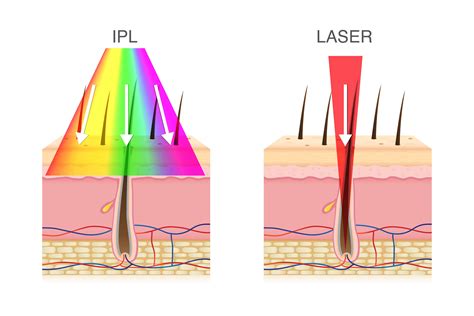
Both IPL and laser treatments can be used to improve a variety of skin issues. The main difference is that IPL therapy is gentler on the skin and usually requires more sessions than laser therapy for comparable results. Laser treatment is more intense and has a longer recovery period, but it can achieve more noticeable results from fewer procedures.
Unlike lasers, which use a single wavelength of light in a concentrated beam, an IPL device sends out multiple wavelengths of pulsating light. This allows IPL to treat a range of skin conditions simultaneously. Certain skin issues may respond better to IPL or laser, and a dermatologist can help determine which is the better match for your needs.
How IPL Works
IPL uses light energy to target specific colors in your skin. When the skin is heated, your body gets rid of the unwanted cells, thus addressing the issue you’re being treated for. After IPL, your skin tone may be more even, making you look younger. Since the light doesn’t harm other tissues, you can recover quickly.
Who is a Good Candidate for IPL?
IPL works best for individuals with pale or light brown skin. It can help lessen or get rid of conditions such as acne, birthmarks, stretch marks, liver or age spots, broken blood vessels, brown spots, dark spots from hormonal changes, discolored skin, fine wrinkles, freckles, redness from rosacea, scars, spider veins, and unwanted hair.
Who Should Avoid IPL?
IPL may not be suitable for everyone. Individuals should consult their doctor if they:
- Are pregnant.
- Have a skin condition.
- Have a sunburn.
- Are taking medication for other conditions, such as blood thinners or isotretinoin (Accutane).
IPL is generally not recommended if you:
- Are sensitive to light.
- Have recently tanned your skin using sunlight, tanning beds, or tanning creams.
- Might have skin cancer.
- Use a retinoid cream.
- Are very dark-skinned.
- Have a skin resurfacing disorder.
- Have severe scarring.
- Have keloid scar tissue.
Safety of IPL
Research shows that IPL is safe and does not cause cancer. It has been used for over 30 years without raising concerns about increasing the risk of skin or other types of cancer.
Effectiveness of IPL for Various Concerns
The effectiveness of IPL can depend on the specific concern being addressed:
Redness and Vascular Lesions
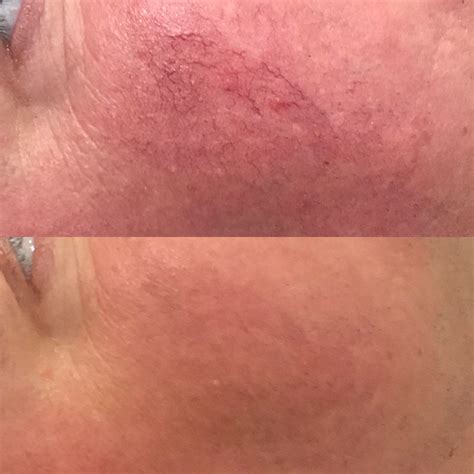
After one to three treatments, IPL therapy can get rid of 50%-75% of broken blood vessels for most people, and they could completely go away. While treated veins don’t return, new ones might appear later.
Sun Damage
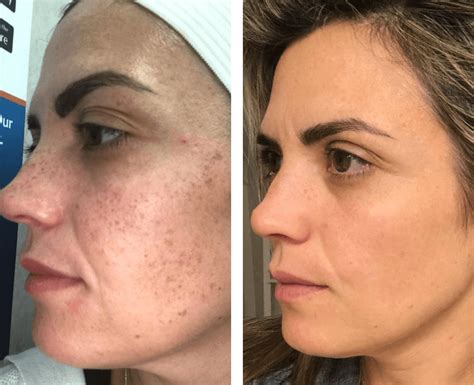
You may see a 70% reduction in brown spots and redness caused by ultraviolet (UV) rays.
Hair Removal
You’ll get the most benefit if you have light skin and dark hair. It may not work at all if you have dark skin or blond hair.
Dry Eyes
IPL may help if other therapies for dry eyes aren’t working. You are likely to see a decrease of 25%-50% or more in your symptoms.
Acne and Acne Scars
IPL may help if you have acne or the scarring it causes. Research is ongoing, but you are likely to have a significant reduction in acne symptoms, with over 90% of people seeing positive results with IPL. Multiple sessions may be needed.
Rosacea
If rosacea causes facial flushing, IPL can be a good alternative to laser therapy. You may have better results if you are under 40 and your condition is moderate to severe.
What to Expect During and After IPL Treatment
Before the Procedure
On the day of your appointment, avoid using perfume, makeup, and scented products that can irritate your skin. Before the procedure, also refrain from:
- Tanning in the sun, tanning beds, or using tanning creams for 4 weeks prior.
- Waxing, chemical peels, or collagen shots for 2 weeks prior.
- Wearing perfume, makeup, deodorant, or any skin irritants.
- Taking aspirin or other drugs that can increase bleeding.
- Taking any medication that makes you sun-sensitive (e.g., doxycycline).
During the Treatment
A technician or dermatologist will rub gel on your clean skin. You’ll wear dark glasses to protect your eyes. The handheld IPL device will be applied to your body. The session will likely last 20-30 minutes, with larger areas taking an hour or more. While most people tolerate the light pulses well, the treatment could sting slightly, feeling like a rubber band snap. A numbing cream can be applied 30-60 minutes beforehand if needed.
After the Treatment
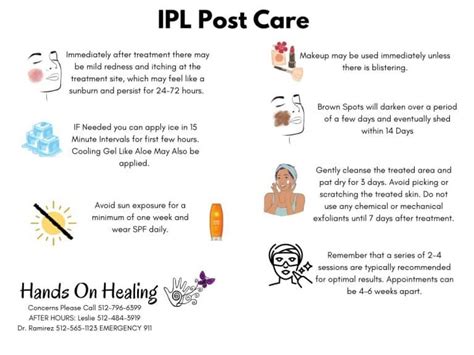
It may feel like a sunburn for 4-6 hours post-treatment; ice packs or a cool washcloth can provide relief. Your skin might be red or bruised for a day or two. Some brown spots may darken temporarily before peeling off within a few weeks.
While healing:
- Avoid makeup if your skin is uncomfortable.
- Use moisturizing lotion.
- Protect yourself with sunscreen, reapplying every 2 hours, even on cloudy days.
- Wash your face with a cleanser for sensitive skin.
Your dermatologist will advise when it’s safe to return to your normal skincare routine, which might take about a week.
Pulsed Dye Laser (PDL) Therapy
Pulsed Dye Laser (PDL) therapy is a popular cosmetic procedure effective in treating various skin conditions, including rosacea, facial redness, hypertrophic scars, port wine stains, and nail psoriasis. The pulses of light used in PDL are a precise laser beam that can be tailored to specific areas.
How PDL Works
Because the yellow light used in PDL cannot penetrate tanned skin, patients are advised to avoid tanning or excessive sun exposure before treatment. Most people require one to four PDL sessions to achieve desired results, though this can vary depending on the laser parameters and the specific condition being treated.
Potential Risks and Benefits of PDL
As with any medical treatment, there are risks associated with PDL therapy that should be weighed against the potential benefits. Unlike some other cosmetic procedures, PDL results are not instantaneous; it may take several weeks or even months for the full effects to become visible. After the procedure, treated areas will likely be red and swollen.
A key benefit of PDL is its ability to reduce the appearance of redness and cutaneous vascular lesions by constricting abnormal blood vessels. This makes PDL a good option for patients with rosacea or spider veins. Swelling and scabbing may occur post-treatment, which is a normal response to the minor injury caused by the laser and should resolve within a few days. Cold compresses can help minimize swelling and discomfort.
Comparing Pulsed Light and Continuous Light
In LED light therapy, pulsed red light turns the light on and off rapidly during a session at a set frequency (measured in Hz). Continuous light delivers a steady stream of light.
| Feature | Pulsed Light | Continuous Light |
|---|---|---|
| Light Delivery | Intermittent bursts (on/off) | Steady stream |
| Frequency | Measured in Hz (e.g., 10 Hz) | Not applicable |
Pulsed light might be more efficient at energizing cells while keeping them cool. For anti-aging, acne, and general skin health, both modes appear effective, and continuous light is still safe and effective when used as directed. Both pulsed and continuous light use the same therapeutic wavelengths and are non-invasive and painless.
Potential Advantages of Pulsed Light
Because pulsed light produces less heat, it may reduce the risk of triggering pigment changes in sensitive skin. Some high-end clinics use hybrid approaches depending on treatment goals. Consumer LED masks often use continuous mode only.
Cost and Maintenance of IPL Treatments
IPL procedures are not inexpensive. In 2025, the average fee was between $300 and $600 per session. Cosmetic procedures are typically not covered by insurance. Some clinics offer payment plans or discounts for multiple sessions.
IPL can improve skin appearance but cannot stop future aging or address the underlying cause of skin conditions. The duration of IPL results varies by the area of concern. For instance, treated veins or spots may not return, but new ones can develop. Follow-up treatments once or twice a year can help maintain results.
At-Home IPL Devices
While most IPL procedures must be performed by a doctor, at-home IPL devices are available for hair removal. These handheld devices are generally safe and effective but typically require more sessions to achieve desired results. At-home IPL uses less intense light for safety and involves flashing the light over the treatment areas one to three times weekly.
Alternative Skin Rejuvenation Treatments
Other options that may treat skin spots, fine lines, and redness include:
- Microdermabrasion: Uses small crystals to gently buff off the top layer of skin (epidermis).
- Chemical peels: Use chemical solutions on the face instead of crystals.
- Laser resurfacing: Removes the damaged outer layer of skin to promote collagen and new skin cell growth. Lasers use a single, concentrated wavelength of light.
- Fraxel laser treatment: Similar to laser resurfacing but doesn't remove the top skin layer, improving fine lines, texture, tone, scarring, and dark spots with less recovery time.
Frequently Asked Questions About IPL
What is the downside of IPL treatment?
The main downsides of IPL treatment are the cost and the number of sessions needed to achieve results. Mild pain and redness may also occur during or after treatments.
How long does IPL treatment last?
Skin improvements often last 6 months to 1 year. Additional treatments can help maintain results.
How painful is IPL treatment?
IPL treatment may cause some pain or discomfort during or after treatment, feeling like a slight stinging, burning sensation, or a rubber band snapping against the skin.
Is IPL treatment worth the money?
Whether IPL therapy is worth the money is a personal decision. It is a safe and effective treatment, but it is not inexpensive.
DOs & DON’Ts of IPL Hair Removal | How to Do It The RIGHT Way ft. ULike Air 10
Conclusion on Pulse Laser and IPL Skincare
IPL treatment can be an effective way to address a variety of skin conditions such as age spots, fine lines, acne, redness, and unwanted hair. While generally yielding good results with minimal side effects, IPL therapy is not suitable for everyone. Consulting with a dermatologist is recommended to determine if IPL treatment is a suitable option.