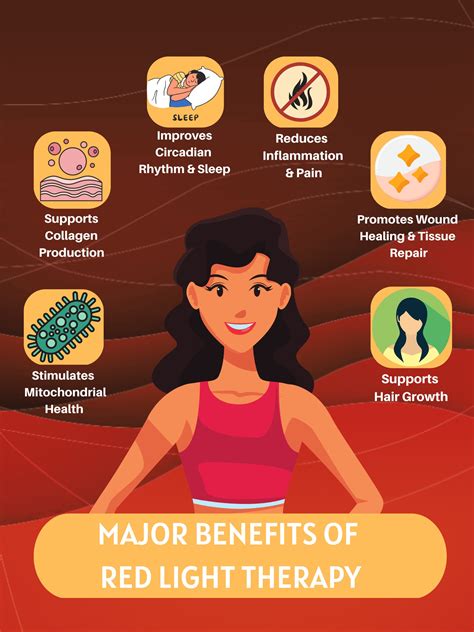
The most effective wellness plans are rarely built on a single solution. For clients looking to reduce the appearance of cellulite, the best outcomes are achieved when treatments are integrated with a healthy lifestyle. Red light therapy is a powerful tool that works in synergy with diet and exercise, making it a perfect addition to services offered by health clubs and personal trainers. While the therapy helps improve skin texture and reduce fat cell volume, a consistent fitness routine and balanced nutrition support the body’s ability to process released fats and maintain results. The most stunning red light therapy cellulite before and after results often come from clients who combine their sessions with a dedicated wellness plan, creating a powerful, multi-faceted approach to body contouring.
Key Takeaways
- Frame RLT as a management tool, not a cure: Be upfront with clients that red light therapy effectively smooths the skin and reduces the look of cellulite, but it doesn't eliminate it permanently. This builds trust and helps manage their expectations for long-term success.
- Package RLT with wellness services for better results: Red light therapy works best when supported by a healthy lifestyle. Create comprehensive client packages that bundle RLT sessions with nutrition coaching and fitness plans to improve outcomes and provide more value.
- Stress the importance of a consistent treatment schedule: Educate clients that visible results depend on a consistent schedule of sessions over one to four months, followed by regular maintenance. This commitment is what leads to lasting improvements and creates opportunities for recurring client visits.
What is Red Light Therapy and How Does It Work?
Red light therapy, or RLT, is a non-invasive treatment that uses specific wavelengths of light to address a variety of cosmetic and health concerns, including cellulite. For wellness businesses, from medical spas to personal training studios, understanding the science behind RLT is the first step in seeing how it can benefit your clients. It works by stimulating natural processes within the body to improve skin texture and reduce the appearance of dimpled fat. Let's break down how cellulite forms and how red light therapy targets it at a cellular level.
How Cellulite Forms
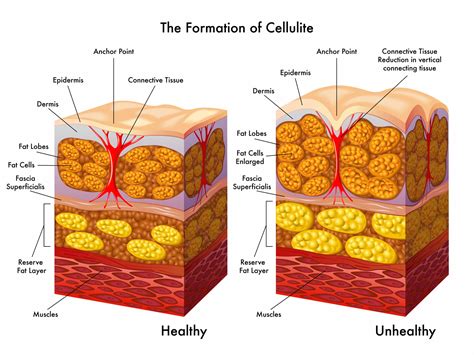
Before we get into the solution, it helps to understand the problem. Cellulite is simply fat beneath the skin that pushes against connective tissue, causing the surface of the skin to look lumpy or dimpled. It’s an incredibly common and completely normal cosmetic issue, affecting nearly 90% of women and about 10% of men. It's not a sign of poor health, and it can appear on people of all shapes and sizes, regardless of how much they weigh. Factors like genetics, hormones, and age all influence whether a person develops cellulite, which is why it can be so persistent even with a healthy diet and regular exercise.
The Science of Red Light Therapy
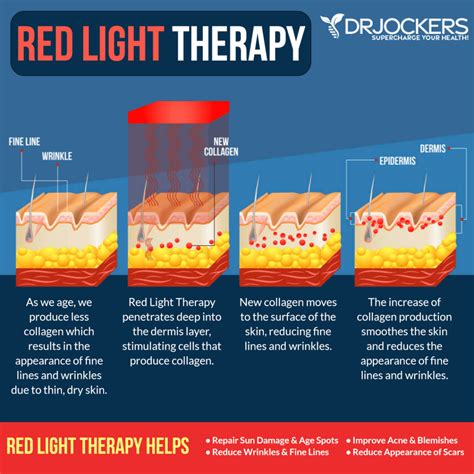
Red light therapy offers a natural and effective approach to managing cellulite. The treatment uses high-quality LED panels to deliver concentrated wavelengths of red and near-infrared (NIR) light directly to the skin. These light waves penetrate deep into the tissue, where they are absorbed by cells. This process boosts cellular energy production, which in turn stimulates the creation of collagen and elastin-the two proteins responsible for your skin’s firmness and elasticity. Some research has shown that after just a few minutes of exposure, red light can encourage fat cells to release their contents, helping to shrink them and smooth the skin.
How Red Light Targets Fat Cells
So, how exactly does light affect fat? The leading theory is that red light creates temporary pores in fat cells, allowing the lipids inside to leak out and be naturally processed by the body. It may also trigger a process that causes fat cells to break down over time. This dual action not only reduces the volume of fat cells contributing to cellulite but also improves the surrounding skin structure. Studies have consistently shown that red and near-infrared light can improve the overall look and feel of the skin, reduce roughness, and increase collagen density. For clients looking for visible changes, this can be a powerful tool in their weight management journey.
What the Science Says About Red Light Therapy
Red light therapy, sometimes called photobiomodulation, has earned its place in the wellness spotlight. This isn't just a fleeting trend; a solid base of scientific research backs its use for everything from improving skin health to aiding in body contouring. For wellness professionals, understanding this science is the key to explaining the benefits to your clients and setting clear, achievable goals for them. The therapy uses specific wavelengths of red and near-infrared light that penetrate the skin to stimulate cellular activity. This process can increase collagen production, reduce inflammation, and improve circulation-all factors that contribute to the skin's appearance and health. When it comes to cellulite, the research points to some interesting mechanisms that can help smooth its dimpled appearance. Let's look at what clinical studies show, how red light specifically targets cellulite, and what you and your clients can realistically expect from the treatments.
A Look at the Clinical Studies
Several studies have examined the effects of red light therapy on fat cells and skin texture. One compelling study found that after just four minutes of exposure to red light, fat cells released 80% of their contents, showing a rapid response at the cellular level. Another study found that women who used red light therapy while exercising on a treadmill saw a significant reduction in cellulite, while the group that only exercised did not. Further research involving high-intensity exercise and near-infrared light showed participants' skin became smoother and softer after three months, demonstrating its potential for improving overall skin quality.
Research consistently demonstrates the effectiveness of red light therapy when used regularly. Studies have shown significant reductions in cellulite, improved skin elasticity, and a smoother, more toned appearance after just a few weeks of consistent sessions. For instance, a 2011 study found that women who underwent 20 red light therapy sessions over four weeks saw a 32% reduction in cellulite appearance and decreased thigh circumference by an average of 0.85 inches.
Its Documented Effect on Cellulite
So, how does red light therapy work on cellulite? The main mechanism involves its effect on adipocytes, or fat cells. The light energy is thought to create temporary micropores in the fat cell membranes, allowing the lipids inside to leak out. The body’s lymphatic system then naturally processes and eliminates these fatty acids. This process doesn't destroy the fat cells but rather empties their contents, causing them to shrink. By reducing the volume of these subcutaneous fat cells, there is less pressure pushing up against the skin's connective tissues. This can lead to a smoother, less dimpled surface, offering a safe and natural way to address cellulite without downtime.
One of the primary benefits of red light therapy is its ability to enhance blood flow and stimulate the lymphatic system. Increased circulation ensures that oxygen and nutrients reach the skin more effectively, promoting regeneration and firmness. At the same time, improved lymphatic drainage helps flush out toxins and reduce fluid retention, which are key contributors to the appearance of cellulite. Collagen is the structural protein responsible for maintaining skin strength, elasticity, and smoothness. Over time, natural collagen production declines, leading to sagging skin and the exacerbation of cellulite. Red light therapy stimulates fibroblasts in the skin, encouraging collagen production and enhancing elasticity. A 2013 study demonstrated that participants experienced a 29% improvement in skin elasticity after undergoing 16 red light therapy sessions over eight weeks.
Limitations and Realistic Expectations
Managing client expectations is fundamental for any treatment's success. It's important to communicate that red light therapy shrinks fat cells temporarily; it doesn't eliminate them. This means the results require maintenance. Without ongoing treatments and a healthy lifestyle, the fat cells can refill, and the appearance of cellulite may return. This is a great opportunity to pair red light therapy with comprehensive weight management programs that include diet and exercise. Typically, clients can expect to see noticeable cellulite reduction after one to four months of consistent sessions. While some minor changes might be visible sooner, it often takes around 10 treatments for more visible improvements to appear. Setting this timeline upfront helps clients stay committed and satisfied with their progress.
What to Expect During Treatment
Setting clear expectations is key to client satisfaction. When offering red light therapy for cellulite, it’s important to have an open conversation about the treatment process, from the timeline for results to the lifestyle factors that can influence success. This transparency helps build trust and keeps clients motivated on their wellness journey. Understanding the safety profile and common misconceptions will also equip you to answer questions confidently and guide your clients toward the best possible outcomes. By providing a clear picture of what the treatment involves, you empower clients to commit to the process and appreciate the gradual, positive changes they’ll see.
How Long Until You See Results?
Patience and consistency are essential when it comes to red light therapy. While some clients may notice minor improvements after about 10 sessions, more significant, visible cellulite reduction typically takes between one and four months of regular treatments. It’s a gradual process, as the therapy works to stimulate collagen and improve circulation over time. To keep clients engaged during this period, it’s helpful to track their progress with objective measurements. Using tools that can detect subtle shifts in body composition and skin texture can validate the treatment’s effectiveness long before dramatic changes are visible to the naked eye, providing powerful motivation to stick with the plan.
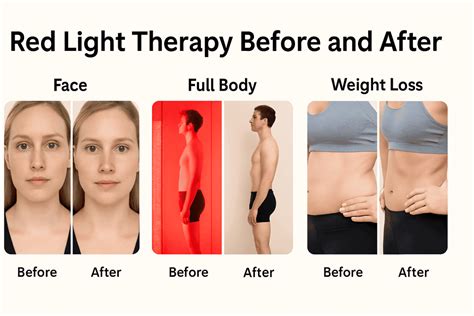
Many people notice early changes in skin texture or physical comfort within 2-4 weeks of consistent sessions. More significant shifts - the kind that show up clearly in photos - typically occur around 8-12 weeks.
Factors That Influence Success
Red light therapy delivers the best results when it’s part of a healthy lifestyle, not a standalone solution. Think of it as a powerful tool that works in synergy with diet and exercise. For the most effective and lasting cellulite reduction, clients should be encouraged to maintain a balanced diet and a regular fitness routine. This holistic approach supports the body’s natural processes that RLT stimulates, like fat metabolism and circulation. For weight management centers and personal trainers, this presents a great opportunity to bundle RLT with nutrition coaching or fitness plans, creating a comprehensive wellness package that delivers superior results.
Safety and Potential Side Effects
One of the main benefits of red light therapy is its strong safety profile. The treatment is non-invasive and generally well-tolerated. Most clients experience no adverse effects at all. However, some people, particularly those with sensitive skin, might notice mild and temporary side effects. These can include slight redness, skin irritation, or a feeling of tightness in the treated area immediately following a session. These known risks are typically minor and resolve on their own shortly after treatment. Being upfront about these potential effects during client consultations is a best practice that builds trust and ensures a positive experience.
Red light therapy uses no UV light and breaks no skin. It is widely considered low-risk when used correctly. Avoid looking directly into the lights. Follow your clinic’s guidance on eye protection.
Common Myths, Debunked
It’s crucial to manage client expectations by debunking common myths. The biggest one is that red light therapy is a "cure" for cellulite. In reality, no treatment can permanently eliminate cellulite. Instead, you should position RLT as an effective method for improving the appearance of cellulite. The therapy works by strengthening the underlying skin structure and potentially reducing the size of subcutaneous fat cells, which leads to smoother-looking skin. It’s not a magic wand, but it is a scientifically-backed tool that can make cellulite and body fat look better as part of a comprehensive wellness strategy.
Professional vs. At-Home Red Light Therapy
Red light therapy is accessible both in professional settings like medical spas and through devices you can use at home. While both use the same core technology, the experience and results can differ. Professional treatments offer the power of clinical-grade equipment guided by a technician, while at-home devices provide convenience and privacy. Understanding the trade-offs will help you guide clients toward the best option for their goals.
Comparing Your Treatment Options
Professional red light therapy sessions utilize powerful, large-panel systems that can treat larger areas of the body efficiently. This is ideal for targeting cellulite on the thighs, hips, or abdomen. A trained professional ensures the correct dosage and duration, maximizing the treatment's effectiveness while ensuring safety. For clients seeking significant, measurable changes, this is often the preferred route.
At-home devices, on the other hand, offer unmatched convenience. They are a great option for maintenance between professional sessions or for those with minor concerns. The key is consistency. While less powerful than their clinical counterparts, consistent use over several weeks can still yield positive results for skin health and texture. It's a commitment, but one that fits easily into a daily routine.
Key Features in an At-Home Device
If your clients are asking about at-home devices, you can help them choose wisely. The most important factor is the device's power output, or irradiance. Many cheap masks and wands simply aren't strong enough to penetrate the skin deeply and stimulate cellular change. Advise them to look for a quality LED device that specifies its light intensity. Another critical feature is the wavelength. Effective devices often use a combination of red and near-infrared (NIR) light. Look for specific therapeutic wavelengths, such as 660nm for red light and 850nm for NIR light, as these have been widely studied for their bioactive effects. A device that offers multiple wavelengths provides a more comprehensive treatment by targeting different skin depths.
A Look at the Costs
When discussing cost, it's a classic case of paying for either time or results. Professional sessions have a higher per-treatment cost, but the powerful equipment often delivers more noticeable results in fewer sessions. For a client in a weight management program, investing in a series of professional treatments can provide the clear, motivating progress they need to see.
An at-home device requires a one-time investment that can range from a couple hundred to a few thousand dollars. While the upfront cost is lower than a full professional package, the onus is on the user to perform treatments consistently-often daily-for months to see results. It's a trade-off between the immediate investment in professional-grade power and the long-term time commitment required at home.
Safety Guidelines for At-Home Use
Safety should always be the top priority, especially with at-home treatments. Remind clients to always wear the provided protective eyewear, as the bright LEDs can be harmful to the eyes over time. They should also avoid placing the device in direct contact with their skin unless the manufacturer's instructions specifically allow it.
It's also possible to overdo it. While red light therapy is generally safe, overuse can sometimes lead to temporary redness or skin sensitivity. Following a recommended treatment schedule is key. If a client has any pre-existing skin conditions or medical concerns, you should always advise them to consult a healthcare professional before starting a new at-home therapy regimen. This guidance protects them and reinforces your role as a trusted expert.
How to Use Red Light Therapy for Best Results
Getting great results from red light therapy isn't just about the device; it's about a consistent and well-matched protocol. For optimal outcomes, consider combining shorter daily sessions at home with a weekly high-power studio visit to maximize the cumulative light dose. LED panels are the most common and widely recommended option for home use, while laser devices emit a more focused, intense beam typically used in clinical settings.
When evaluating any home device, prioritize those that are FDA-cleared, which indicates the manufacturer has demonstrated both safety and efficacy to a regulatory standard. Clinical trials and user reports converge around the 4- to 8-week mark for visible skin changes and the 2- to 4-week window for modest pain relief. For the face or a small joint, 10 minutes at 20-60 mW/cm² often delivers a therapeutic dose (about 6-36 J/cm²). Larger body zones-or lower-power masks-may need 15-20 minutes to reach the same energy threshold.
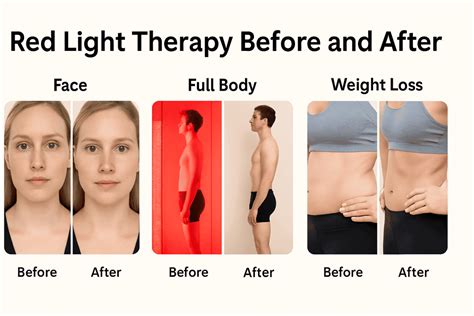
For skin goals, start sessions with clean, dry skin and moisturize afterward if your skin feels dry. For pain and recovery goals, drink water, maintain consistent sleep, and keep light activity on off days (walks, easy stretching). The most reliable before-and-after stories come from consistent dose. For example, a client wanting better skin tone and faster post-workout recovery might do 3 sessions per week for 6 weeks, taking weekly photos and rating soreness after each workout. By week 4, photos might show clearer tone, and by week 6, workouts may feel easier to bounce back from.
How to Maximize Red Light Therapy: Plastic Surgeon's Top Tips!
Tracking Your Progress
Images inspire, but hard numbers drive progress. For skin, take one photo per week in the same lighting and angle. For body contouring, take waist, hip, and thigh measurements every two weeks, or consider a 3D body scan if your clinic offers one. Tracking keeps you from quitting early. A client who feels like progress is “slow” in the mirror often sees clear evidence of change in their weekly photo series - and that’s what keeps them on plan.
For hair goals, which require the longest commitment (most people need 8-16 weeks of consistent sessions), take a photo of the hairline or crown every two weeks and keep a rough log of hair shedding. For pain and recovery, rate pain or stiffness 1-10 once per week and note which activities feel easier.
The Role of Professional Clinics
Many clinics incorporate red light therapy for body contouring into sculpting programs, targeting areas like the waist, hips, thighs, arms, and chin. Professional sessions are typically short (around 15 minutes), warm, and relaxing, with no downtime. A set plan-2-3 sessions per week to start, then a lighter maintenance phase-helps the cumulative light dose build over time. Sporadic visits don’t allow this accumulation to occur.
For instance, advanced systems like the Prism Light Pod offer powerful, efficient full-body red light therapy designed to deliver comprehensive results. These systems penetrate deeply into the skin and underlying tissues, targeting key areas for maximum therapeutic benefit and allowing users to easily customize sessions based on individual needs.
Professional treatments offer the power of clinical-grade equipment guided by a technician, ensuring correct dosage and duration, maximizing effectiveness while ensuring safety. For clients seeking significant, measurable changes, this is often the preferred route. Some clinics use blue light and red light together for acne because they address different parts of the problem: blue light targets acne-causing bacteria on the skin's surface, while red light helps calm redness and support the skin’s repair process.
Wellness studios might charge $25-40 for a 20-minute panel session and $50-75 for a full-body bed. Membership bundles can drop the per-visit cost below $20.
How to Maximize Red Light Therapy: Plastic Surgeon's Top Tips!
Red Light Therapy and Other Wellness Practices
Beyond its physical effects, red light therapy has shown promise in supporting mental health and sleep quality. By stimulating retinal photoreceptors that help regulate the body's circadian rhythm, consistent red light exposure-particularly in the morning-may improve sleep onset and mood stability. Some research suggests potential applications for depression and anxiety, though this area requires larger clinical trials before firm conclusions can be drawn.
Red light therapy delivers the best results when it’s part of a healthy lifestyle, not a standalone solution. Think of it as a powerful tool that works in synergy with diet and exercise. For the most effective and lasting cellulite reduction, clients should be encouraged to maintain a balanced diet and a regular fitness routine. This holistic approach supports the body’s natural processes that RLT stimulates, like fat metabolism and circulation. For weight management centers and personal trainers, this presents a great opportunity to bundle RLT with nutrition coaching or fitness plans, creating a comprehensive wellness package that delivers superior results.