Cold sores, also known as herpes labialis or oral herpes, are a common viral infection caused by the herpes simplex virus (HSV). These painful, fluid-filled blisters typically appear on or around the lips, mouth, or nose and can cause discomfort and embarrassment. In this article, we will explore the concept of red light therapy for cold sores and delve into its potential benefits, safety, and usage.
Understanding Red Light Therapy
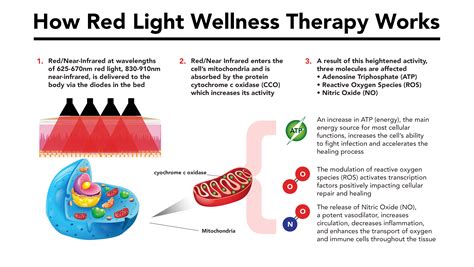
Red light therapy, also known as low-level laser therapy or photobiomodulation, is a non-invasive treatment that utilizes specific wavelengths of red and near-infrared light to stimulate cellular activity and promote healing. The therapeutic effects of red light therapy are believed to be mediated by the interaction between light-sensitive molecules within the cells and the absorbed light energy.
Red light therapy is a treatment that may help skin, muscle tissue, and other parts of your body heal. It uses low levels of red light to target your skin and cells. It is thought to work by increasing the production of mitochondria, your cells' energy sources. This may improve cell function and repair.
Red light therapy is also sometimes called low-level laser therapy, low-power laser therapy, low-power laser, or photobiomodulation. In red light therapy, you expose your skin to a lamp, device, or laser with a red light. It uses an LED (light-emitting diode) that emits the correct spectrum of light. Red LED light travels deeper into the skin than blue LED light, which is sometimes used to treat skin surface conditions such as acne. When the light enters your skin, your mitochondria soak it up and make more energy, which helps cells repair themselves.
Red light therapy uses very low levels of heat and doesn’t hurt or burn the skin. Unlike the light used in tanning booths, it doesn’t expose your skin to damaging UV rays.
Clinical Evidence for Red Light Therapy in Treating Cold Sores
The potential of red light therapy in the treatment of cold sores has been investigated in several clinical studies. For instance, a study conducted by Schindl et al. in 1999 evaluated the efficacy of low-intensity laser therapy in patients with recurrent perioral herpes simplex infection. Another study by Zanella et al. in 2022 demonstrated the efficacy of red light therapy in preventing and managing recurrent herpes labialis. These findings suggest that red light therapy may have a positive impact on the healing process of cold sores, potentially reducing the duration of outbreaks and the associated discomfort.
A prospective, randomized, placebo-controlled, clinical trial was conducted to evaluate the efficacy of a 1072 nm light-emitting diode device for the treatment of HSL. In total, 87 patients with recurrent HSL were recruited and randomly divided into two groups. Subjects received a 3-min treatment with either 1072 nm infrared light therapy or placebo (sham) light therapy three times/day for 2 days. The devices used for both groups were identical in appearance and could not be differentiated by volunteers or researchers, and 1072 nm light is invisible to the human eye. The median time to healing for the active group was 129 h, compared with 177 h for the control group, which was significant (P = 0.01).
Additional research supports these findings:
- A study by Schindl A, Neumann R. (1999) found low-intensity laser therapy to be an effective treatment for recurrent herpes simplex infection in a randomized double-blind placebo-controlled study.
- Hargate G. (2006) conducted a randomized double-blind study comparing the effect of 1072-nm light against placebo for the treatment of herpes labialis, showing positive results.
- Moskvin SV. (2021) provided a narrative literature review on low-level laser therapy for herpesvirus infections, highlighting its potential benefits.
How Red Light Therapy Works on Cold Sores
When applied to cold sores, red light therapy works by:
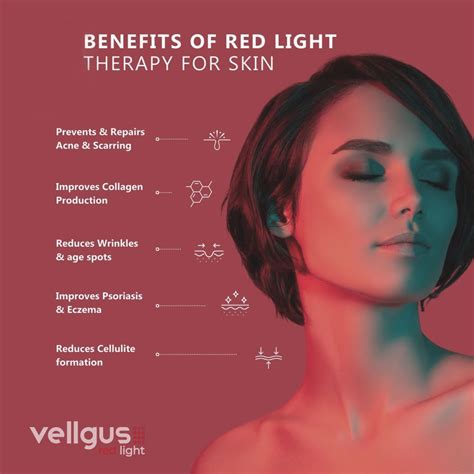
- Enhancing circulation to the affected area.
- Increasing ATP (cellular energy) production, which aids in cellular repair.
- Reducing local inflammation, a key component of the discomfort associated with cold sores.
- Promoting faster healing of damaged skin cells.
- Potentially inhibiting viral replication in the early stages of a breakout.
These mechanisms make red light therapy for cold sores a promising intervention, particularly when applied at the first sign of tingling or discomfort.
Benefits of Using Red Light Therapy for Cold Sores
Patients who use red light therapy for cold sores often report several benefits, including:
- Less pain and discomfort.
- Shorter healing times.
- Fewer recurrences.
- No side effects or irritation, making it ideal for sensitive skin.
- Improved confidence and quality of life.
Because the therapy is painless and non-invasive, it's an ideal option for individuals concerned about long-term pharmaceutical use.
Types of Red Light Therapy Devices
There are many different types of red light therapy devices available, some of which can be used at home. Home devices are usually less powerful than those used in clinics and may be less effective or take longer to work.
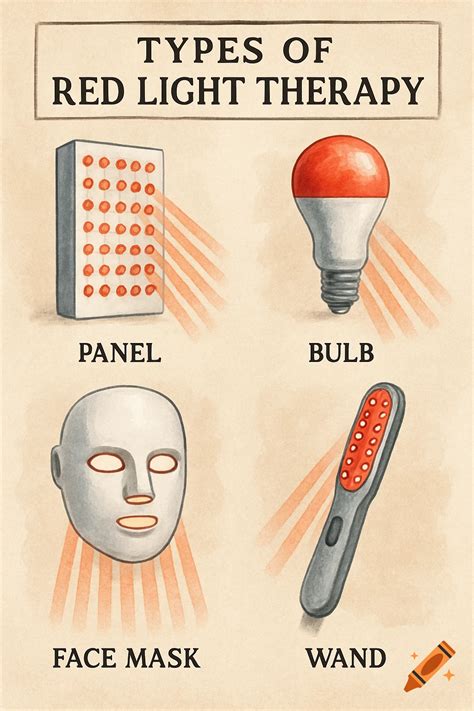
- Red light therapy masks: These fit over the entire face and have red LED lights pointed toward the skin. They are designed for short treatment sessions several times a week and are used for various facial skin concerns.
- Red light therapy beds: Resembling tanning beds, these contain red LED lights and expose the entire body to red light.
- Red light therapy panels: These panels of red LED lights can be mounted on walls or placed on tables. They range in size and can target specific areas or larger parts of the body.
- Red light therapy wands: These are handheld devices with red LED lights at one end, used by moving the wand over small, targeted areas of the skin.
How to Use Red Light Therapy for Cold Sores
To effectively utilize red light therapy for treating cold sores, it is crucial to follow the recommended guidelines and protocols:
- Prepare the device: Ensure the red light therapy device is fully charged or connected to a power source according to the manufacturer's instructions.
- Position the device: Place the red light therapy device close to the cold sore area, ensuring the LED light is directly targeting the affected area.
- Activate the therapy: Turn on the red light therapy device and select the appropriate settings for cold sore treatment.
- Treatment duration: The recommended treatment duration may vary depending on the specific device and protocol.
- Consistency: To achieve optimal results, it is essential to be consistent with red light therapy treatments.
Timing is critical when using red light therapy for cold sores. The best results typically occur when the therapy is applied at the first sign of symptoms, usually a tingling, burning, or itching sensation on the lip or surrounding area. Early intervention with red light may help prevent the sore from fully forming, reduce its severity and size, shorten healing time, and decrease the frequency of future recurrences.
Light Wands: A Cure for Acne and Herpes? | Doctorly Investigates
Safety and Considerations
Red light therapy appears to be mostly safe when used correctly, especially in the short term. Many forms of red light therapy are more effective when done at a doctor’s office rather than at home because doctors can use stronger lights.
Even at a doctor’s office, there are some risks. One early-stage clinical trial found that at high levels, red LED lights such as those used in red light therapy can cause blistering and redness on the skin. Red light therapy may also cause eye damage in some cases, so it is best to wear protective goggles when using a red light therapy device.
Can it cause cancer? There is no evidence that red light therapy causes cancer. Red light therapy does not use ultraviolet rays, a form of radiation found in tanning booths and sunlight that can lead to skin cancer.
There is not a lot of research on the effects of red light therapy on pregnant people, but limited research suggests that it is safe. One study examined 380 pregnant women who had used laser light treatments during pregnancy and found that it was safe for both the parent and fetus.
Who Should Not Use Red Light Therapy?
- People who take medications that increase their skin or eye sensitivity should not use red light therapy.
- People who have a history of skin cancer or eye disease should speak with their doctor before using red light therapy.
Cost of Red Light Therapy
The cost of this therapy can vary greatly depending on whether you are using a device at home or getting treatment in a clinic. Treatments can cost $80 a session or more.
If you decide to use a red light therapy device at home, note that it may not be as powerful or effective as devices used by doctors or other professionals. When choosing an at-home device to purchase, you can check whether it has been cleared by the US FDA, which means that it is safe and equivalent to other devices already on the market. When using a red light therapy device at home, make sure to use proper eye protection and follow all directions on the device.