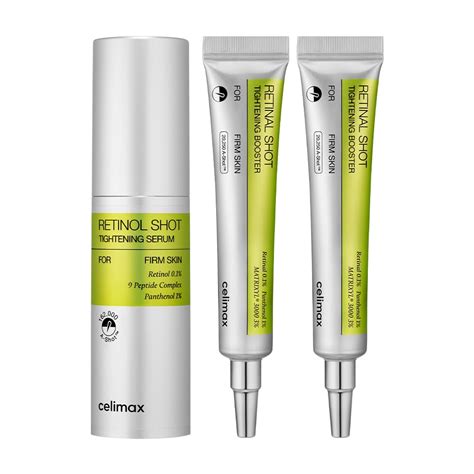
Introducing a powerful anti-aging serum designed to reduce the appearance of fine lines and wrinkles over time, leading to rejuvenated, smooth, and radiant skin. This results-driven night serum is a potent formulation that works to reveal smooth, renewed, and radiant skin. It features a 1% granactive retinoid complex and is infused with hydrating hyaluronic acid, making it a fragrance-free option for your skincare routine.
Key Benefits and Features
This serum boasts impressive claims based on user studies:
- 97% showed a visible improvement of fine lines and wrinkles after 4 weeks.
- 94% woke up to visibly renewed skin overnight.
- 100% said skin looked and felt significantly smoother and more radiant after 4 weeks.
- 97% said skin looked more youthful and radiant after 4 weeks.
- 94% said skin looked more radiant and plumped with hydration after the first use.
Core Ingredients for Efficacy
The serum's effectiveness is attributed to its carefully selected key ingredients:
- Retinoid + Antioxidant Complex (1% Granactive Retinoid, 0.06% retinal, and antioxidants): This powerful blend works synergistically to help reduce the appearance of fine lines and wrinkles.
- Hyaluronic Acid: Known for its exceptional hydrating properties, it helps moisturize the skin, contributing to a plump and supple complexion.
Formulation and Suitability
The formulation is a lightweight, silky serum that is suitable for a wide range of skin types, including oily, dry, normal, and combination skin. The product comes in a NET WEIGHT of 1.0 FL OZ (29.5ml).
Understanding Retinol
When it comes to defending against fine lines and maintaining a healthy glow, retinol is a highly lauded ingredient in skincare. However, understanding how to use it correctly can be a challenge. Despite its widespread availability, retinol can be underutilized or misused.
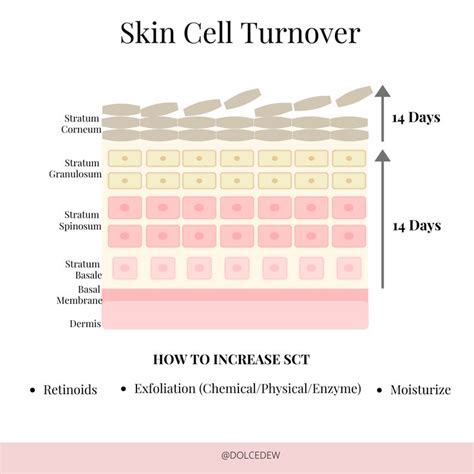
Retinol, along with other retinoids like retinoic acid and retinyl palmitate, is essentially a derivative of vitamin A. Vitamin A is a key nutrient that boosts cell turnover. Dermatologists explain that retinols must be converted into retinoic acid within the skin, which means they may take longer to show results compared to prescription retinoids, but can also be a less irritating option.
The Multifaceted Benefits of Retinol
Retinol is a powerhouse ingredient that addresses numerous skin concerns:
- Brightening Dull Skin: By regulating skin cell turnover, retinol improves the appearance of both skin tone and texture. It encourages new skin cells to surface, leading to a more refined complexion and reduced discoloration.
- Reducing Signs of Aging: Retinol can act as an antioxidant, protecting the skin from free radical damage and environmental aggressors.
- Boosting Collagen Production: As a topical product, retinol can stimulate collagen production, which helps to firm sagging skin.
- Reducing Acne: Retinol is considered a gold standard in dermatology for its ability to sweep away dead skin cells, unclog pores, and address dullness.
Retinol vs. Other Retinoids
The term retinoid is a broad category encompassing all vitamin A-based products. Different types of retinoids vary in strength and application:
- Isotretinoin: An oral retinoid medication, commonly known as Accutane, primarily used to treat severe acne.
- Tretinoin (Retinoic Acid): The most common prescription retinoid, effective for treating both acne and signs of aging.
- Retinol: An over-the-counter retinoid that is generally less irritating than prescription options and is used to improve uneven skin tone, pigmentation, and texture.
When to Start Using Retinol
While age 30 has traditionally been cited as the ideal age to start incorporating retinol, many individuals begin earlier due to early signs of aging or a desire for preventative care. Dermatologists suggest that mid-twenties are an excellent time to start.
The best time to begin retinol use depends on your specific skincare concerns:
- For acne concerns in your teens, incorporating retinol might be beneficial.
- For preventive measures against fine lines and other signs of aging, starting in your 20s and 30s is recommended.
- To treat existing signs of aging skin, starting in your 40s and 50s may be appropriate.
Integrating Retinol into Your Routine
Gradual Introduction and Gentle Application
Balance is critical when using retinol. It can be irritating if used too frequently or if the formulation is too strong for your skin. Experts recommend starting with a small amount (pea-sized) of a low-percentage over-the-counter formula (0.01% to 0.03%) just two times per week. Gradually increase usage as your skin acclimates.
It is advisable to skip your retinol product on days you exfoliate, as exfoliating can be abrasive. Avoid using retinol before or after in-office treatments like lasers, microneedling, or microdermabrasion. Time-release formulas can be a good option for those with sensitive skin, as they release the active ingredient over time, potentially reducing irritation. Prescription retinols are more potent and may be considered once your skin tolerates over-the-counter options.
Managing Potential Side Effects
Some mild irritation, dryness, and sun sensitivity are normal as your skin adjusts to retinol. However, if you experience intense flaking, redness, or burning, it's best to discontinue use. Retinol may not be recommended for individuals with conditions like eczema, rosacea, or very sensitive skin.
For those who cannot tolerate retinol, alternatives like bakuchiol offer similar anti-aging and skin-brightening benefits without the potential irritation.
Nighttime Use and Sun Protection
All experts agree that using retinol only at night is crucial. While retinoids are not phototoxic, they can break down when exposed to UV rays, rendering them less effective. Applying retinol at night ensures its potency.
Furthermore, diligent daily use of a broad-spectrum SPF 30 or higher is essential, even on cloudy days. Retinol use requires extra caution during seasons with prolonged sun exposure or when traveling to sunny destinations.
The Importance of Moisturizing
Because retinol can be drying, it's important to use products with moisturizing ingredients or to apply a separate moisturizer for added hydration. Using a moisturizer before applying retinol can help buffer its effects and reduce potential irritation.
Extending Application Beyond the Face
Do not neglect the neck and décolletage when applying retinol serums, as these areas are prone to showing signs of aging. If these zones are too sensitive for your current formula, consider applying a moisturizer with ceramides beforehand or using a retinoid product specifically formulated for the neck area, which typically contains a lower dose of vitamin A and soothing ingredients.
How to Apply Retinol with Dr. Bomer
How to Apply Retinol
Topical retinoids should be applied to the entire face during your nighttime routine. Use a small amount (about a pea-sized amount) after thoroughly cleansing and before moisturizing. Start by using it a few times a week and gradually increase frequency as your skin tolerates it.
Ingredients to Use and Avoid with Retinol
Beneficial Pairings:
- Hyaluronic Acid: Boosts hydration.
- Niacinamide: Can help hydrate and calm irritation.
Ingredients to Use with Caution:
- Vitamin C, Salicylic Acid, and Glycolic Acid: These ingredients can potentially increase irritation when used with retinol. While advancements in formulation allow them to be used together under certain pH conditions, it's often safer to use them at different times of the day if you prefer to err on the side of caution.
Timeline for Results and Discontinuation
How Long Does Retinol Take to Work?
Visible changes from retinol typically take time. It can take anywhere from six to 12 weeks to see initial improvements in your skin. Deeper softening of wrinkles and firmer skin may become apparent after three to six months of consistent use.
What Happens When You Stop Using Retinol?
Stopping retinol use will not cause your skin to revert overnight. However, you may experience a gradual loss of the benefits gained. Cell turnover and collagen production will slowly decrease, discoloration might worsen, and pores may become more visible or clogged. Your skin may also show increased signs of aging, such as dullness, fine lines, wrinkles, and sagging.
Retinol Use During Pregnancy and Breastfeeding
Experts generally advise against using retinol during pregnancy or breastfeeding. Due to potential risks associated with systemic retinoids, it is safer to opt for retinol alternatives during these periods. Safe alternatives include ingredients like azelaic acid, niacinamide, and low concentrations of alpha hydroxy acids (AHAs) such as lactic acid. Bakuchiol is also a well-researched alternative that offers similar anti-aging benefits without the common retinol side effects.