Ringworm, a fungal infection, can affect both the skin and the scalp. When it appears on the scalp, it can lead to itching, scaling, and even hair loss. While there are many over-the-counter and prescription treatments available, it's crucial to use products specifically formulated and tested for human use. Using animal-specific products, such as Mane & Tail Protect medicated shampoo, is not recommended as they are not intended for human application and may cause irritation or prove ineffective.
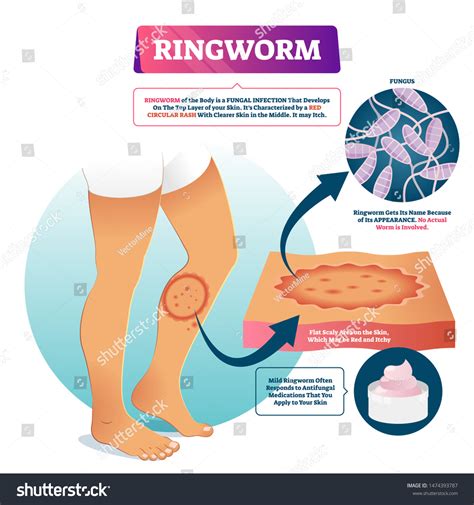
Understanding Ringworm and Scalp Infections
Ringworm of the scalp, medically known as tinea capitis, is caused by a fungus that infects the hair follicles and shafts, leading to hair breakage. Contrary to its name, ringworm is not caused by a worm but by dermatophytes. The infection is highly contagious and can spread through direct contact with an infected person or animal, or indirectly through contaminated items like combs, brushes, hats, and even surfaces such as seat backs or pillows. While less common, animal-to-human transmission can occur, often resulting in more pronounced scalp irritation, redness, and scaling.
Scalp ringworm is generally not considered dangerous, but without proper treatment, the infection can spread across the scalp, causing persistent hair loss and scaling. In some cases, an allergic reaction to the fungus can develop, leading to a condition called a kerion-a boggy, tender swelling on the scalp that may drain pus. Kerions often require additional treatment with oral steroids. Fortunately, with effective treatment, hair regrowth is typical, although it may take several months (6 to 12 months) to fully recover.
Choosing the Right Medicated Shampoo
When dealing with ringworm on the scalp, the primary goal is to eliminate the fungal infection and prevent its spread. Medicated shampoos containing antifungal agents are a key component of treatment. These shampoos are designed to be safe for human use and effectively target the fungi responsible for scalp infections.
Key Antifungal Ingredients to Look For:
-
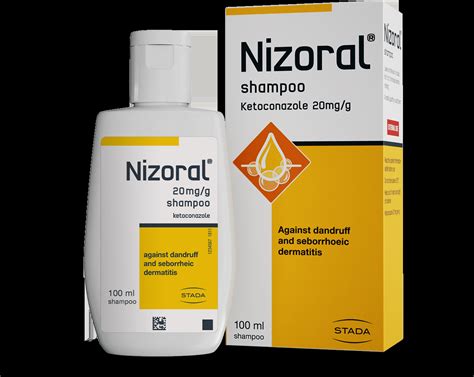
Ketoconazole: Often found in shampoos like Nizoral AD, ketoconazole is a potent antifungal agent frequently recommended by dermatologists. It works by reducing the amount of yeast on the skin and is available both over-the-counter and by prescription. Some studies suggest it can be as effective as steroids with fewer side effects. Typical usage involves lathering the shampoo and leaving it on the scalp for about five minutes before rinsing.
-
Selenium Sulfide: This ingredient is the primary antifungal agent in popular dandruff shampoos like Selsun Blue and is also found in some Head & Shoulders formulations. Selenium sulfide shampoos are recommended for use at least twice a week. It's important for individuals with blonde or gray hair to rinse thoroughly to avoid potential bluish discoloration.
-
Clotrimazole: While commonly used for conditions like athlete's foot, clotrimazole is also an effective topical antifungal for seborrheic dermatitis and can be beneficial for scalp issues. It's available under brand names like Lotrimin and Mycelex. Some users find it effective when used in combination with topical steroid creams.
-
Ciclopirox: Often recommended in shampoo form, ciclopirox is effective for managing fungal symptoms when used a few times per week. It is sold under the brand name Loprox and may be used in conjunction with other topical treatments.
-
Coal Tar: Possessing both antibacterial and antifungal properties, coal tar can help inhibit yeast growth. It is found in shampoos like T-Gel and is generally considered a mild ingredient.
It is essential to follow the specific instructions for each product, typically involving lathering the shampoo and leaving it on the scalp for approximately five minutes before rinsing. Some antifungal shampoos can also be used as body wash if the infection is widespread.
Comprehensive Treatment Approaches
While medicated shampoos are crucial, a comprehensive approach often yields the best results for treating ringworm of the scalp. Depending on the severity and extent of the infection, a healthcare provider might recommend a combination of treatments.
Pharmacological Treatments:
-
Oral Antifungal Medications: For more persistent or widespread infections, oral antifungal medications are typically prescribed. Griseofulvin is often the first-choice medication, taken orally for several weeks. It is best absorbed when consumed with fatty foods. Alternative medications like terbinafine or itraconazole may be used if griseofulvin is ineffective or if the patient has allergies.

-
Topical Antifungal Creams: In conjunction with shampoos and oral medications, topical antifungal creams like Lamisil cream can be applied directly to the affected areas twice daily to aid in recovery.
It’s important to note that medications like Fluconazole (150mg capsules taken once a week for at least four weeks) may be recommended for widespread infections, alongside topical treatments.
Preventing Spread and Managing Symptoms
Preventing the spread of ringworm is as important as treating the active infection. Maintaining good hygiene practices is paramount:
- Wash affected areas regularly and gently with warm water. Avoid hot water, which can dry out the skin.
- Avoid sharing personal items such as combs, brushes, hats, or towels.
- Clean clothing, bedding, and towels frequently in hot water.
- Disinfect surfaces that may have come into contact with the infected person.
For those experiencing seborrheic dermatitis, which can be linked to Malassezia yeast, antifungal products can also help manage symptoms like scaly rashes and flaking on the scalp and face. Lifestyle changes, such as stress management through exercise or meditation, can also contribute to overall skin health.
If symptoms persist or worsen, it is crucial to consult a healthcare provider or dermatologist for a proper diagnosis and a tailored treatment plan. This ensures the infection is effectively treated and minimizes the risk of complications or recurrence.