Glycolic acid is a powerful substance that chemically exfoliates the skin by dissolving dead skin cells and oils. Its benefits extend to boosting collagen production and supporting skin moisture. Glycolic acid effectively removes the outermost layer of skin cells without the need for harsh scrubbing, which can often lead to irritation. This makes it a valuable ingredient in treatments for acne, hyperpigmentation, and the visible signs of aging.
However, like all chemical exfoliants, the overuse, incorrect application, or use of high concentrations of glycolic acid can result in skin irritation or damage. This article delves into glycolic acid in detail, covering its properties, skin benefits, potential side effects, and guidance on selecting appropriate products and when to seek professional medical advice.
Understanding Glycolic Acid
Definition and Origins
Glycolic acid is a compound that naturally occurs in certain fruits, beets, and sugarcane. In its pure form, it is odorless and colorless. Cosmetic and pharmaceutical companies incorporate glycolic acid into topical products to address skin conditions or to enhance skin texture and appearance. The glycolic acid used in cosmetic products is typically synthesized in a laboratory rather than derived from natural sources.
Chemical Properties and Function
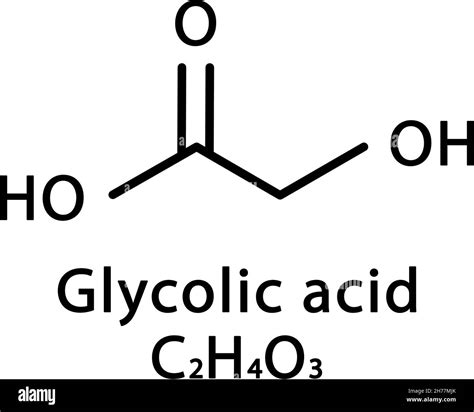
Glycolic acid belongs to a group of acids known as alpha hydroxy acids (AHAs), which are popular ingredients in skincare. Other AHAs include citric acid (found in citrus fruits), malic acid (found in apples), and lactic acid (found in milk). Among these, glycolic acid possesses the smallest molecular structure, which facilitates deeper penetration into the skin.
Glycolic acid exhibits several key properties:
- Exfoliative: As a chemical exfoliant, glycolic acid dissolves and removes the outermost layer of skin cells and oil. Unlike mechanical exfoliants like face scrubs and brushes, it does not require abrasive scrubbing.
- Humectant: Glycolic acid attracts and retains water within skin cells by increasing the synthesis of glycosaminoglycans, molecules that draw water into the skin.
- Antibacterial: Research indicates that at specific concentrations, glycolic acid can inhibit bacterial growth.
- Anti-aging: Glycolic acid can mitigate processes that contribute to visible skin aging, such as sun damage, by increasing collagen and hyaluronic acid levels in the skin, thereby enhancing its elasticity and structure.
Benefits of Glycolic Acid for the Skin
Research suggests that glycolic acid can significantly improve various skin concerns:
Acne Treatment
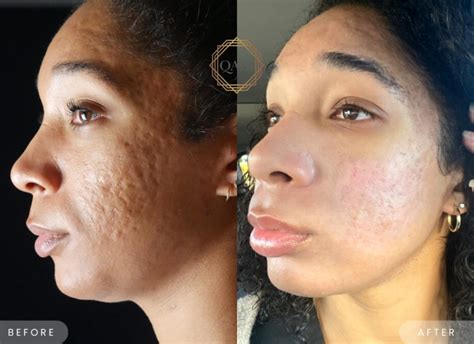
AHAs, including glycolic acid, are common ingredients in acne skincare products. Glycolic acid is often used in chemical peels to manage acne. Formulations containing glycolic acid can help reduce acne, refine skin texture, and prevent comedonal acne. Its exfoliating properties also aid in unclogging pores and diminishing the appearance of acne scars.
Addressing UV Damage
Exposure to UV light can lead to skin damage, manifesting as sunspots, hyperpigmentation, and wrinkles-collectively known as photoaging. Glycolic acid has been shown to be an effective treatment for sun damage and may offer a protective effect against UVB rays, potentially preventing photoaging.
Reducing Lines and Wrinkles
As skin ages, it can lose plumpness and elasticity, leading to the formation of fine lines and wrinkles. Glycolic acid can help combat this by:
- Increasing skin levels of hyaluronic acid, which helps maintain skin hydration.
- Stimulating the production of collagen, the primary structural protein responsible for skin's firmness.
- Enhancing fibroblast and keratinocyte proliferation rates, which are crucial for skin repair and regeneration.
- Improving the quality of elastin, promoting skin elasticity.
Wart Treatment
Warts are small, hard skin growths caused by viruses. Chemical peels, some of which may contain glycolic acid, are a recognized treatment option for warts. Studies have indicated the effectiveness of topical treatments containing glycolic acid for facial warts.
Potential Side Effects and Precautions
While beneficial, all chemical exfoliants, including glycolic acid, carry potential risks:
Increased Photosensitivity
AHAs can make the skin more sensitive to sunlight. This increased photosensitivity means the skin becomes more vulnerable to further sun damage. Therefore, when using glycolic acid products, it is crucial to maintain a consistent sun-protection routine, including applying a broad-spectrum sunscreen daily and avoiding tanning beds.
Irritation
Some individuals may experience adverse reactions to glycolic acid, such as redness, inflammation, itching, swelling, or burning. Burning sensations are not an indicator that the product is working. If any of these symptoms occur, the product should be washed off immediately, and its use discontinued. These symptoms can also arise from using a glycolic acid product that is too strong, applying it too frequently, or using it too close to the eyes. If glycolic acid comes into contact with the eyes, they should be rinsed thoroughly with clean running water.
Hyperpigmentation Concerns
While glycolic acid can help reduce hyperpigmentation, potent or irritating skincare products can also cause it. Individuals prone to hyperpigmentation should opt for non-irritating, gentle exfoliants.
Choosing and Using Glycolic Acid Products
Product Selection
The choice of a glycolic acid product depends on the desired results. Glycolic acid is available in various formats, including cleansers, toners, mists, liquid exfoliants, serums, moisturizers, acne treatments, face masks, and at-home peels. Leave-on formulations generally yield the best results due to extended contact time with the skin.
For those new to glycolic acid, it is advisable to select products with a low concentration, around 8%, allowing for a gradual introduction and potential increase in strength as tolerance builds. Products with a pH close to the skin's natural pH (around 4 for most over-the-counter products) are also beneficial. If concentration or pH is not listed, contacting the manufacturer for this information is recommended.
When to Seek Professional Advice
Before trying glycolic acid, consulting a healthcare professional, such as a dermatologist, is important, especially if you have an ongoing skin condition. Glycolic acid is not suitable for everyone, and a professional can advise on its appropriateness for your specific skin type and concerns. It is also essential to ensure any broken or sunburned skin has healed before applying glycolic acid to the area.
How to Incorporate Glycolic Acid into Your Routine
- Patch Test: Apply the product to a small, inconspicuous area of skin to check for adverse reactions before applying it to the face.
- Start Slowly: Begin with a low-strength glycolic acid product and use it infrequently. Gradually increase frequency and strength as your skin tolerates it, following product instructions and professional advice. Do not exceed recommended usage.
- Choose One Product: Using multiple glycolic acid products simultaneously is unnecessary. Introducing one new product at a time helps identify its effectiveness and potential reactions.
- Use at Night: Due to increased sun sensitivity, many prefer to use glycolic acid products at night.
- Apply Sunscreen: Always use sunscreen as the final step in your morning routine before sun exposure when using AHAs.
How to test skin care products at home
Combining With Other Skincare Ingredients
Glycolic acid can be combined with ingredients like hyaluronic acid for hydration. Vitamin C can be used in alternating routines for enhanced brightness and anti-aging benefits. However, it is crucial to avoid using glycolic acid concurrently with retinoids or benzoyl peroxide, as this can increase irritation.
Potential Side Effects Explained
Common side effects include redness, irritation (especially for sensitive skin), dryness, peeling, and increased sensitivity to environmental factors, particularly the sun. These effects are often temporary and can be managed by adjusting usage frequency and ensuring adequate hydration and sun protection.
Choosing the Right Dosage of Glycolic Acid
Proper dosing is critical to prevent over-exfoliation and potential skin damage:
- Beginner's Dose: Start with a lower concentration (5-10%) used 2-3 times a week.
- Intermediate Users: Once tolerance is established, frequency can increase to daily use, with products up to 15% glycolic acid.
- Advanced Users: Those experienced with glycolic acid may use products with higher concentrations (20% or more), but cautiously and not more than a few times a week.
- Application Amount: Use a small, pea-sized amount per application to minimize irritation risk.
Recommended Products
For those seeking glycolic acid products with a gentle yet effective approach, brands like Caudalie offer options:
Vinoperfect Dark Spot Correcting Glycolic Night Cream
This night cream is formulated to visibly reduce dark spots and even skin tone overnight. It combines glycolic acid with other active ingredients for gentle exfoliation and skin renewal. It should be applied as the final step in a nighttime skincare routine on clean, dry skin.
Vinoperfect Glycolic Peel Mask
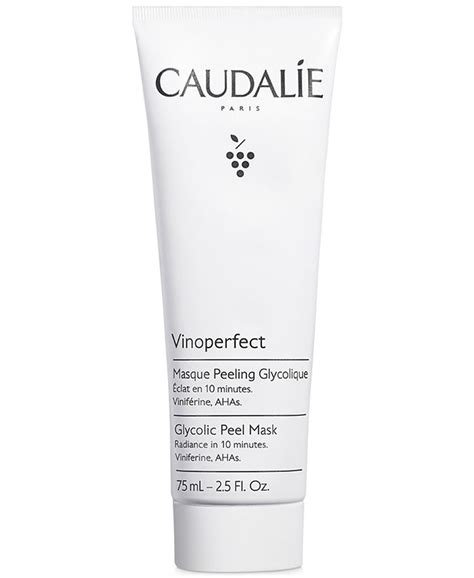
This mask provides a professional-grade at-home exfoliation treatment, combining glycolic acid with natural ingredients to remove dead skin cells and reveal a brighter, smoother complexion. Apply once or twice a week to dry skin, leave on for 10 minutes, and rinse off. Regular use enhances skin smoothness and clarity.