When considering skincare and haircare products, understanding the ingredients is key to making informed choices. This article explores various components commonly found in such formulations, with a particular focus on their properties and benefits.
The Foundation: Water and Oils
The most fundamental ingredient in many cosmetic products is water, also known as H2O. The water used in cosmetics is purified and deionized, meaning that nearly all mineral ions have been removed. This ensures a clean and stable base for other ingredients.
A significant ingredient gaining popularity is coconut oil. Chemically, it boasts a unique fatty acid profile, being predominantly saturated. Unlike many plant oils rich in unsaturated fatty acids, coconut oil's primary fatty acid is Lauric Acid, making up about 50%. Saturated fatty acids possess a linear structure that allows them to stack tightly, resulting in a solid state at room temperature. Coconut oil melts around 25°C, liquefying upon contact with the skin. This saturated nature makes it a heavy-duty oil, ideal for dry skin types.
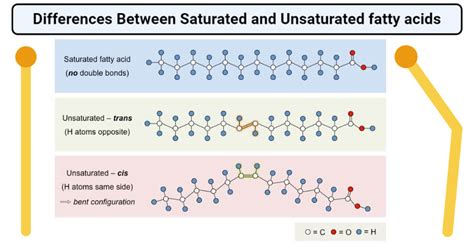
Research supports the efficacy of extra virgin coconut oil in treating xerosis (very dry skin), with a double-blind study confirming it to be as effective as mineral oil. Furthermore, another study indicated that coconut oil is more effective than mineral oil in managing mild to moderate atopic dermatitis (eczema) in children. Therefore, for dry skin concerns, coconut oil is a highly beneficial ingredient.
Coconut Oil and Acne-Prone Skin: A Mixed Bag
The effectiveness of coconut oil for acne-prone skin presents a more complex picture. While its primary fatty acid, Lauric Acid, shows promise against acne-causing bacteria like P. acnes, both Lauric Acid and coconut oil have a high comedogenic rating (4 out of 5). Although comedogenic ratings are not always definitive, anecdotal evidence suggests mixed experiences among users. Some report significant benefits for their acne, while others experience severe blackheads and breakouts. Thus, individuals with acne-prone skin may wish to test coconut oil cautiously.
Coconut Oil for Hair Care
In haircare, coconut oil demonstrates a strong research backing for its ability to penetrate the hair shaft effectively, outperforming mineral oil and sunflower oil in this regard. It also helps prevent hair protein loss and damage from combing. For those struggling with damaged hair or split ends, coconut oil can be a valuable pre- or post-wash treatment.
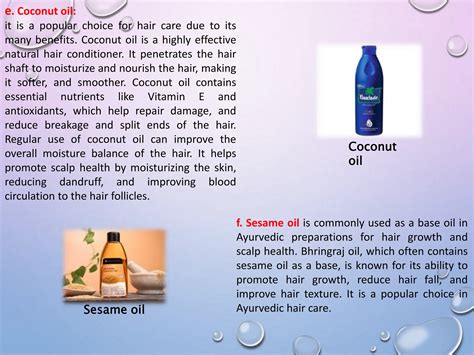
Beyond its primary uses, coconut oil has shown potential in other areas. Promising animal studies suggest it may aid in wound healing. It also exhibits antifungal activity against dermatophytes, the fungi responsible for ringworm, and can act as an insect repellent against black flies.
Functional Ingredients: Enhancing Product Performance
Several other ingredients play crucial roles in cosmetic formulations, contributing to texture, stability, preservation, and sensory experience.
Fatty Alcohols: Emollients and Thickeners
Fatty alcohols are a category of ingredients that serve multiple functions. They act as emollients, making the skin feel smooth and soft, and can thicken products. They also assist in blending water and oil components, functioning as emulsifiers. Unlike drying alcohols, these are non-irritating and beneficial for the skin.
Examples include:
- Cetearyl Alcohol: A common multitasker that provides a soft feel, thickens products, and stabilizes emulsions. It is a blend of cetyl and stearyl alcohol and, despite being chemically an alcohol, does not possess the drying properties of lower molecular weight alcohols.
- Stearyl Alcohol: A fatty alcohol known for its emollient properties and ability to thicken formulations.
- Cetyl Alcohol: Another emollient fatty alcohol that contributes to the smooth texture of products.
Emulsifiers and Thickeners
Glyceryl Stearate is a prime example of an emulsifier and emollient. Produced from vegetable oils through a process similar to soap making, it is readily biodegradable and naturally occurs in the human body. Its safety is considered beyond doubt.
Cellulose Gum (derived from cellulose, the main component of plant cell walls) is a helpful ingredient for thickening cosmetic products and creating gel formulas. It is compatible with most co-ingredients and imparts a smooth feel to formulations.
Preservatives: Ensuring Product Safety and Longevity
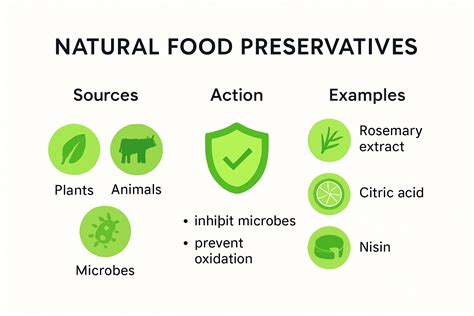
Preservatives are vital for preventing microbial contamination and extending the shelf life of cosmetic products.
- Phenoxyethanol: Often referred to as the current "IT-preservative," it is safe, gentle, and free from parabens. Introduced around 1950, it can be used globally up to 1%. While its cosmetic version is synthetic, it is also found naturally in green tea. Phenoxyethanol offers excellent thermal stability and works across a wide pH range (3-10). It is frequently combined with ethylhexylglycerin to enhance its preservative activity.
- Potassium Sorbate: A common preservative that, when used in small amounts (up to 1%), is gentle. It often needs to be combined with other preservatives, such as potassium sorbate, to achieve broad-spectrum protection.
Silicones: For Smoothness and Protection
Silicones are widely used for their ability to create a smooth feel and protective barrier.
- Dimethicone: A very common silicone that makes skin feel silky smooth, imparts a subtle gloss, and forms an occlusive barrier. It can fill in fine lines and wrinkles, giving a temporarily plumper appearance. Dimethicone is also used in scar treatment gels to soften scars and improve elasticity. In haircare, as a non-volatile silicone, it remains on the hair, providing exceptional smoothing.
Fragrance: The Sensory Element
Fragrance is added to cosmetic products to enhance their scent. However, for those who prefer to know exactly what they are applying, fragrance can be a concern as its precise composition is often proprietary. Furthermore, fragrance is a leading cause of contact allergies and can be problematic for sensitive skin, with both natural and synthetic fragrances posing potential risks.
Acids: Exfoliation and pH Adjustment
- Citric Acid: An Alpha Hydroxy Acid (AHA) derived from citrus fruits. While it has exfoliating properties, comparative studies suggest it may be less potent than glycolic or lactic acid for skin improvement.
Parabens: A Controversial Preservative
Parabens are a group of preservatives that have faced significant controversy. While generally considered safe by regulatory bodies in allowed concentrations, some studies have raised questions.
- Methylparaben (MP): A study from 2006 indicated that MP-treated skin cells exposed to sunlight experienced more harm than non-MP treated cells in vitro. Although this research was not conducted on real people, it highlights the importance of using sunscreen alongside products containing parabens.
- Propylparaben: Another common paraben.
It is worth noting that the general concerns surrounding parabens are often not supported by robust scientific evidence for typical cosmetic usage levels.