Sulfur is a chemical element that is present in all living tissues, making it the third most abundant mineral in the human body after calcium and phosphorus. It is naturally found in foods such as garlic, onions, and broccoli.
In dermatological applications, sulfur is applied topically to the skin for conditions like dandruff and itchy skin infections caused by mites, such as scabies. It is also used for acne and skin redness (rosacea). While sulfur can be taken orally for various conditions, there is limited scientific evidence to support these uses.
Sulfur is believed to possess antibacterial properties that are effective against the bacteria commonly associated with acne. Furthermore, it may aid in the loosening and shedding of dead skin cells, a process that can help treat skin conditions like seborrheic dermatitis and acne.

Uses and Effectiveness
Dandruff
Sulfur is an FDA-approved ingredient found in many over-the-counter products designed to treat dandruff. Although research on its efficacy is somewhat limited, some studies indicate that using a shampoo containing both sulfur and salicylic acid twice daily for five weeks can effectively reduce dandruff. Shampoos that combine both sulfur and salicylic acid appear to be the most effective.
Scabies
Applying a sulfur-containing jelly to the skin has shown to be an effective treatment for scabies in most individuals. These sulfur treatments are typically applied overnight for three to six nights. However, the unpleasant odor associated with sulfur can be a drawback. Additionally, more convenient and cost-effective treatments like ivermectin and permethrin are available.
Acne
Sulfur is an FDA-approved ingredient commonly found in over-the-counter acne treatments. However, research on its specific effectiveness for acne is limited. Most products that utilize sulfur for acne treatment combine it with other active ingredients such as benzoyl peroxide, salicylic acid, or sodium sulfacetamide.
Other Conditions
Early research suggests potential benefits for other conditions:
- Hay Fever: A nasal spray containing homeopathic amounts of sulfur, luffa, Galphimia glauca, and histamine, used for 42 days, has shown comparable effectiveness to the standard cromolyn sodium nasal spray.
- Hyperlipidemia: Drinking water from a sulfurous spring three times daily for four weeks has been observed to reduce total cholesterol, LDL ("bad") cholesterol, and triglyceride levels in preliminary studies. However, it is unclear if sulfur alone is responsible for these effects.
- Rosacea: Applying a sulfur cream to the face once daily for up to eight weeks has shown to reduce fluid-filled bumps and other symptoms associated with rosacea in early research. Some studies suggest sulfur cream may be as effective as the antibiotic tetracycline.
- Common Cold: Taking a homeopathic product containing sulfur and German ipecac (Engystol) orally for up to two weeks during a cold may help relieve symptoms, according to early research.
There is insufficient evidence to support the use of sulfur for conditions such as chronic obstructive pulmonary disease (COPD), shortness of breath, sore throat (pharyngitis), menopausal symptoms, lice, cold sores (herpes labialis), warts, rough, scaly skin on the scalp and face (seborrheic dermatitis), and poison ivy, oak, and sumac infections.
Side Effects and Precautions
When Taken by Mouth
There is insufficient reliable information regarding the safety and potential side effects of taking sulfur orally. Some individuals may experience diarrhea.
When Applied to the Skin
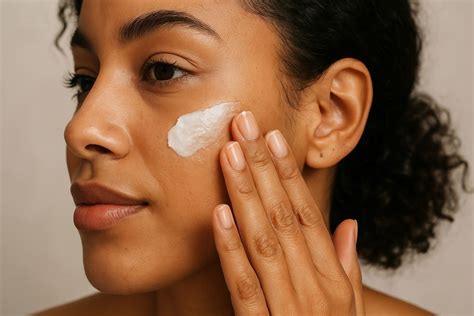
Sulfur is considered POSSIBLY SAFE when applied topically for short periods. Products containing sulfur in concentrations up to 10% have been used safely for up to eight weeks. Some individuals may experience skin dryness as a side effect.
Pregnancy and Breast-feeding
Topical application of sulfur is considered POSSIBLY SAFE for short-term use. Products with sulfur concentrations up to 6% have been safely applied nightly for up to six nights. However, there is not enough reliable information to determine the safety of taking sulfur orally during pregnancy or breast-feeding, so it is advisable to avoid oral use.
Children
Topical application of sulfur is considered POSSIBLY SAFE for short-term use. Products with sulfur concentrations up to 6% have been safely applied nightly for up to six nights in children and adolescents. For infants, products with sulfur concentrations up to 2% have been used safely for three hours daily for up to six days.
Sulfa Allergy
It is a common misconception that individuals allergic to sulfa drugs are also allergic to sulfur-containing products. This is not true. "Sulfa" allergies are a reaction to the sulfonamide component in certain antibiotics and related medications, not to elemental sulfur.
Drug Interactions
Currently, there is no specific information available regarding interactions with sulfur. However, it is always recommended to consult with a healthcare professional about potential interactions with other medications.
Dosing and Administration
Adults - Applied to the Skin
- Dandruff: Shampoos containing 2% sulfur, alone or with 2% salicylic acid, have been used twice weekly for five weeks.
- Scabies: Treatments containing 2% to 20% sulfur in a jelly form have been applied overnight for three to six nights.
Children - Applied to the Skin
- Scabies: Shampoos containing 2% sulfur, alone or with 2% salicylic acid, have been used twice weekly for five weeks.
How to fix your itchy scalp: the REAL science
Proper Use and Storage
Sulfur-containing products should be used only as directed. Avoid contact with the eyes; if accidental contact occurs, flush thoroughly with water. For skin cleansing lotions, apply to wet skin, lather, rinse, and pat dry. For shampoos, wet hair and scalp, apply, lather, rub into the scalp for several minutes or as directed, then rinse thoroughly, and reapply if necessary. For bar soaps, use to wash affected areas, rinse, and pat dry.
Store medicines in a closed container at room temperature, away from heat, moisture, and direct light, and keep from freezing. Keep all medications out of reach of children and discard outdated or unneeded medicine.
Precautions When Using Salicylic Acid and Sulfur Combination
When using combination products containing salicylic acid and sulfur, avoid using other preparations on the same affected area unless directed by a doctor. This includes abrasive soaps, cleansers, alcohol-containing preparations, other topical acne treatments, peeling agents (like benzoyl peroxide, resorcinol, or tretinoin), cosmetics or soaps that dry the skin, medicated cosmetics, and other topical medications. Combining these can cause severe skin irritation.
Do not use any topical mercury-containing preparations (e.g., ammoniated mercury ointment) on the same area, as this can cause a foul odor, irritation, and black staining of the skin.
Taking large doses of aspirin or other salicylates concurrently with topical salicylic acid may lead to an overdose. Consult a healthcare professional if you have questions.
Potential Side Effects
While sulfur is generally well-tolerated, some side effects may occur. These can include skin irritation, redness, peeling, or unusual dryness. These side effects often subside as the body adjusts to the medication. If side effects persist or are bothersome, consult a healthcare professional.
In animal studies, coal tar, sometimes included in combination products with sulfur and salicylic acid, has been shown to increase the risk of skin cancer. This is a precaution to be aware of when using such formulations.