Scars can be painful reminders of past experiences, and while they may appear harmless, they can significantly lower individuals’ self-esteem. Makeup techniques for concealing scars have thus become increasingly more widespread. In this guide, we will walk you through the countless techniques, color-correcting theories, and other expert tips you will need to achieve blemish-free skin.
Makeup is one of the best ways to conceal both acne and non-acne scars. To get the best results, however, it is important to understand what products are right based on your scarring profile.
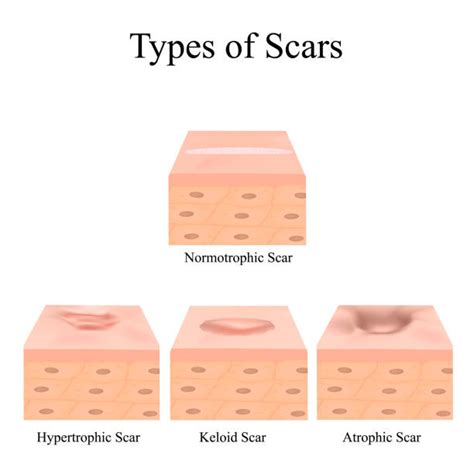
Understanding Scar Types and Their Camouflage Needs
The approach to concealing scars with makeup varies depending on the type of scar:
Flat and Discolored Scars
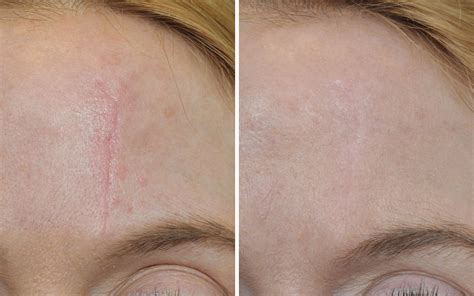
For flat and discolored scars, color correction is the primary focus. Therefore, it is important to find the right neutralizing colors along with a concealer to further camouflage the scars.
Atrophic Scars (Depressed Scars)
As for atrophic scars, also known as depressed scars, using texture-filling primers will help give the skin a much smoother appearance. Similar to atrophic scars, hypertrophic scars require texture correction to see a noticeable difference.
Hypertrophic Scars (Raised Scars)
Hypertrophic scars require texture correction to achieve a noticeable difference in their appearance.
The Science of Color Correction
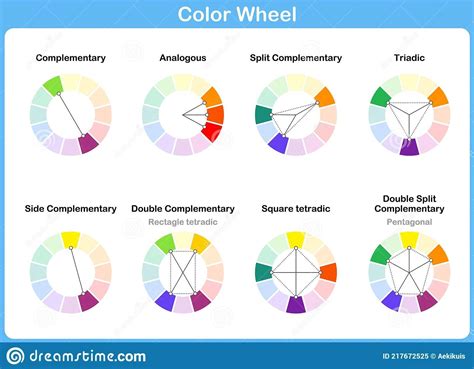
There is very interesting science to color correction when it comes to makeup. Essentially, by using our knowledge of complementary colors - hues that show up on opposite ends of the color wheel, we can neutralize or cancel out unwanted tones.
Understanding Key Discolorations and Their Neutralizers:
- Redness: Redness is a very normal sign of healing but can persist and become a nuisance. Green-hued color correctors are effective in neutralizing redness.
- Hyperpigmentation: Hyperpigmentation, as the term suggests, refers to areas of excessive melanin, leading to a brownish hue. To counteract brown tones, you can use colors opposite them on the color wheel, such as blue or purple, depending on the depth of the brown.
- Hypopigmentation: Hypopigmentation is the opposite of hyperpigmentation. Hypopigmentation manifests as white patches of skin resulting from a lack of melanin. To bring out more warmth in these areas, colors, such as lavender and purple, are recommended.
Beyond Color Correction: Essential Makeup Products
Color-correcting makeup is only one component to camouflaging your scars. You have to also consider other products, such as foundation and concealer to ensure that your makeup blends in seamlessly.
Foundation and Concealer
A full-coverage foundation and a high-quality concealer are crucial for effectively hiding scars. The key is to ensure these products blend harmoniously with your natural skin tone and the corrected areas.
Topical Fillers
For indented scars, a small amount of a "topical filler" can be dispensed into the depressed scar tissue. Once fully set, this can help create an even surface for makeup application.
Advanced Scar Camouflaging Techniques
For a small minority of individuals whose skin discoloration never fully goes away, more permanent solutions are available.
Skin Tattooing (Medical/Cosmetic Tattooing)
Skin tattooing, also known as medical or cosmetic tattooing, is an effective scar camouflaging technique. With this technique, the tattoo artist essentially matches the color of your scar to that of the surrounding healthy skin.
A lot of patients ask if skin tattooing is appropriate for treating skin redness. Although this could work in theory, skin redness will almost always go away on its own.
Recommended Products for Scar Coverage
If you are having trouble looking for the right makeup product to cover your scars, consider these expert-recommended options:
- Dermaflage: They have a broad selection of makeup products that can cover not only acne scars, but also tattoos, active acne, discoloration, and wrinkles. The Scar & Wrinkle Filler is an absolute winner, offering a wide selection of skin tones and easy application.
- Conditioning Butters: Ingredients like shea and mango butter help retain moisture, allowing concealer to move and bend with your skin throughout the day.
- Best Matte Primer: FIRST AID BEAUTY’s Hello FAB Pores Be Gone Matte Primer is a skincare-meets-makeup primer with a mattifying formula that helps create a uniform finish, drawing attention away from scarred areas and blurring large pores. It also contains salicylic acid to help minimize pores.
- Best Translucent Setting Powder: ANASTASIA BEVERLY HILLS Loose Setting Powder is popular for its oil-absorbing formula using ultra-fine mica particles to lock makeup in place and leave skin with a soft-focus, photo-ready finish.
- Best Full Coverage Foundation: KOKIE PROFESSIONAL Full Cover Foundation is a silky, smooth, and slightly matte formula that seamlessly blends with concealer, building layers as needed without disturbing scar coverage.
How to Apply Color Correcting Concealer | Color Theory
Step-by-Step Guide to Covering Scars With Makeup
Follow these steps for optimal scar camouflage:
- Prep skin with lots of moisture. Start with hydrated skin, whether it’s the face or body. Incorporating moisturizers with gentle exfoliants (like AHAs or BHAs) can help fade scars and make for easier makeup coverage. Once moisturizer has been applied, give it a few minutes to absorb before moving on.
- Add a bit of primer. Adding a primer isn’t always essential depending on the type of scar, but a small amount can help create an even canvas for makeup application. If you’ll be in an environment with flash photography, opt for a mattifying primer to ensure the scar doesn’t look overly dewy compared to the rest of your skin.
- Apply a creamy concealer first. This reversed method, known as underpainting, can help create a more natural finish on textured or uneven skin. Always apply a full-coverage cream concealer to dark spots before foundation and apply the concealer densely with a synthetic brush.
- Gently blend your foundation. Once you’ve completed your concealer step, go in with a light hand for your foundation. Grab a foundation brush to apply a medium-to-full coverage foundation, using soft, stippling motions to create a skin-like finish.
- Set in place with powder. Finishing with a setting powder is crucial for long-lasting makeup. A light dusting of a translucent setting powder will help keep your makeup from sliding off your face throughout the day.
Tailoring Techniques to Scar Type
While the general steps are applicable, the type of scar dictates specific product choices and application methods:
For Depressed, Atrophic Scars
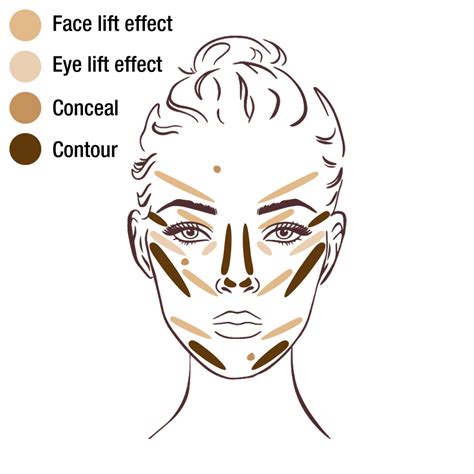
With scars that sit below the skin’s surface, topical fillers can help to fill out the recessed area with silicones to create an even surface. Makeup artists often prefer using two shades of concealer to create an optical illusion of evenness: one shade that is your natural skin tone and one that is a half-to-full shade lighter than natural. Use the skin tone color to blend the edges of the scar and the lighter shade in the hollow area. Layer the skin tone shade on top of the lighter shade to help blend it in and avoid an obvious appearance.
For Raised, Hypertrophic Scars
Playing with concealer colors is beneficial in obscuring the look of scars that sit above the skin’s surface, but in an opposite order. Apply the skin tone shade along the edges and the darker shade on the raised area. Then, use your skin tone shade to help blend the two edges together.
For Red-Colored Scars
If your scar is a bright or dark red, you may need a color corrector with a green hue. Apply this before your normal concealer step to help neutralize the redness and even the skin tone.
Makeup is an inexpensive and convenient solution to hiding stubborn acne scars. There are two essential factors to consider when trying to optimize scar camouflage: texture and color. For texture, it is important to find a topical “filler” to fill in your indented scars or to minimize the raised appearance of raised scars. As for color, understanding the neutralizing effect of applying complementary colors to the discolored areas on your skin will further improve the appearance of your scarring.